Now Reading: 2027 Election: ‘It’s Corruption’ — Kimpact’s Bukola Idowu Blasts N10bn Presidential Campaign Spending Limit
-
01
2027 Election: ‘It’s Corruption’ — Kimpact’s Bukola Idowu Blasts N10bn Presidential Campaign Spending Limit
2027 Election: ‘It’s Corruption’ — Kimpact’s Bukola Idowu Blasts N10bn Presidential Campaign Spending Limit

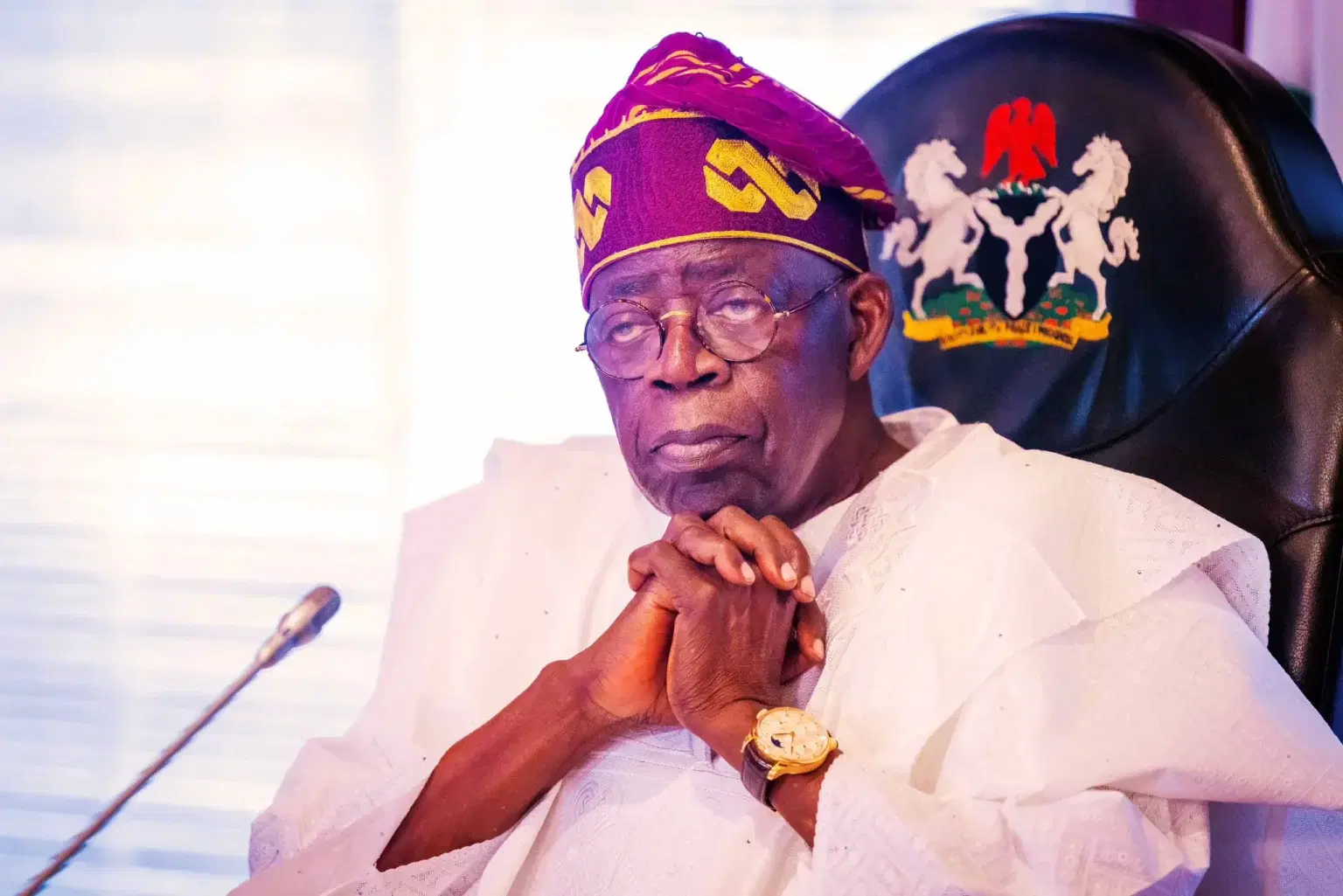
Fresh controversy has erupted over Nigeria’s 2027 general elections after Bukola Idowu, Executive Director of the Kimpact Development Initiative, condemned the proposed N10 billion spending cap for presidential campaigns, describing it as a breeding ground for corruption.
Speaking during an interview on Arise News, Idowu argued that the figure lacks statistical justification and risks turning elections into a commercial enterprise rather than a democratic contest.
‘Elections Becoming Purely Commercial’
Idowu said the decision to peg presidential campaign spending at N10 billion — an increase from previous limits — raises serious accountability concerns.
“That has been the narrative. That is what the lawmakers were saying — that this was a provision from the 2022 Electoral Act and when you look at the inflation rate, then that N5 billion is not justifiable and justiciable,” he said.
He, however, questioned the data behind the revised figures.
“But the question we keep asking them… is that their decision is not being backed by fact, statistics or data.”
According to him, raising the ceiling without transparent methodology undermines public confidence in the electoral process.
Questioning the Logic Behind N10bn Cap
Idowu drew comparisons between states with varying local government structures to highlight what he described as inconsistencies.
“How did you arrive at N3 billion for governors? Kano has about 44 local government areas. Bayelsa has eight. So if you are campaigning in Bayelsa, you are going to campaign with N3 billion. Someone in Lagos is going to campaign with N3 billion. What data are you using?” he asked.
He further queried the rationale for fixing N10 billion as the presidential limit, arguing that it does not align with measurable realities.
“So at the end of the day, you now say the President is going to be N10 billion… It doesn’t really make any statistical sense. It is not backed by law.”
‘President Doesn’t Earn N10bn in Four Years’
Idowu also pointed out that a Nigerian president does not earn up to N10 billion in salary over a four-year term, suggesting the campaign ceiling far exceeds reasonable benchmarks.
“The president in four years does not earn up to this amount in salary,” he stated.
2027 Elections and Rising Political Tensions
As political alignments quietly begin ahead of the 2027 elections, debates over campaign finance are expected to intensify. Critics warn that high spending limits could entrench money politics, while supporters argue that inflation and logistics justify the increase.
With electoral reforms already under scrutiny, the N10 billion presidential campaign spending limit may become one of the defining flashpoints in Nigeria’s march toward 2027.