Now Reading: 2027 Elections: Abati Says Kwankwaso’s Move to ADC Could Reshape Opposition, Sparks Ticket Battle Questions
-
01
2027 Elections: Abati Says Kwankwaso’s Move to ADC Could Reshape Opposition, Sparks Ticket Battle Questions
2027 Elections: Abati Says Kwankwaso’s Move to ADC Could Reshape Opposition, Sparks Ticket Battle Questions

Veteran journalist Reuben Abati has said the defection of Rabiu Musa Kwankwaso to the African Democratic Congress (ADC) could dramatically alter Nigeria’s opposition landscape ahead of the 2027 general elections.
Speaking on The Morning Show on Arise Television, Abati described the move as a strategic boost for the ADC, noting that Kwankwaso’s entry—alongside his loyal Kwankwasiyya base—positions the party as a growing coalition hub for key opposition figures.
Kano’s Strategic Weight in 2027 Race
Abati highlighted the political significance of Kano State, describing it as a decisive battleground in presidential contests due to its large voter base and 44 local government areas.
“Kano is one of those states you must win if you want to be president,” he said, adding that Rivers and Lagos also remain crucial.
With Kwankwaso widely regarded as one of the most influential political figures in Kano, his alignment with the ADC could shift voting dynamics significantly.
Rising Coalition—and Emerging Tensions
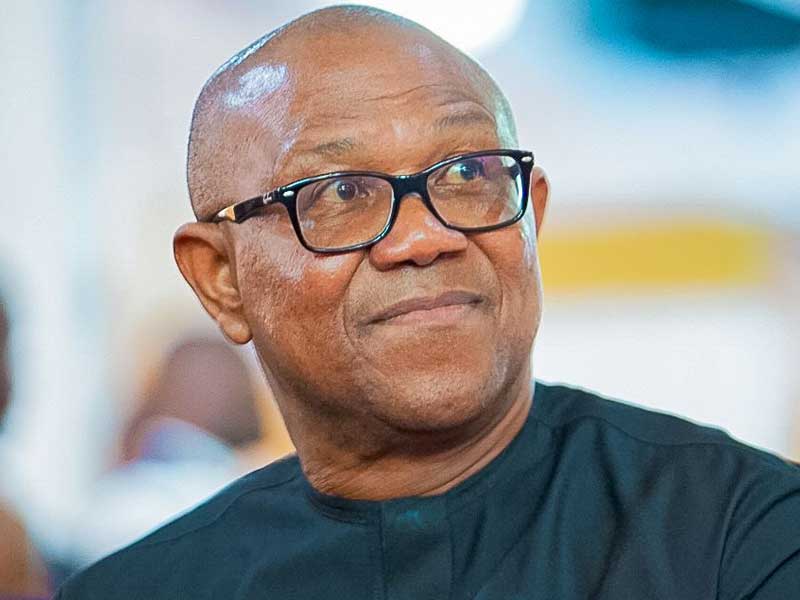
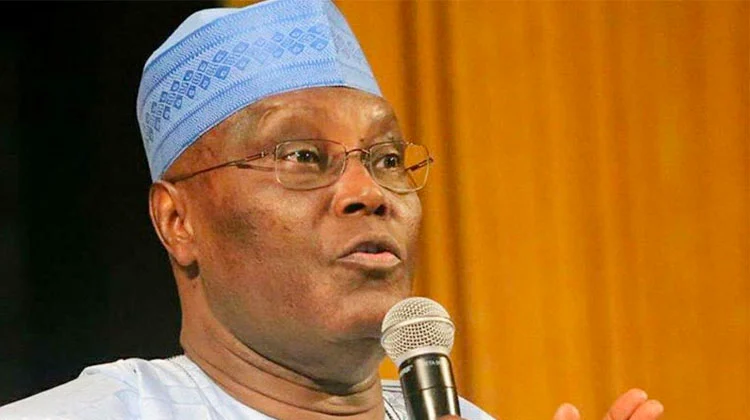
The analyst pointed out that the ADC now boasts a lineup of prominent opposition figures, including Peter Obi, Rotimi Amaechi, and Atiku Abubakar.
However, Abati raised critical questions about how the party will manage competing ambitions within its ranks—particularly regarding its presidential ticket.
Kwankwaso has long signaled his intention to run for president, prompting speculation over whether he will secure the ADC ticket, accept a running mate position, or become part of a broader power-sharing arrangement.
‘PitaKwa’ Speculation and Political Uncertainty
Abati also referenced growing discussions around a possible alliance between Kwankwaso and Obi—popularly dubbed “PitaKwa”—but questioned its viability and implications.
“Would they give him the ticket? Will he become a running mate? Where does that leave Atiku Abubakar?” he asked, highlighting the complexity of negotiations within the opposition bloc.
Early Signs of a Political Showdown
Describing the current situation as the “early moments of the drama,” Abati suggested that more intense political maneuvering lies ahead as alliances take shape.
With multiple heavyweight contenders under one platform, the ADC faces both an opportunity to challenge the ruling party and the internal challenge of balancing ambition with unity.