Now Reading: Peter Obi’s Polling Unit Defeat in Anambra Sparks Fierce Debate Ahead of 2027 Race
-
01
Peter Obi’s Polling Unit Defeat in Anambra Sparks Fierce Debate Ahead of 2027 Race
Peter Obi’s Polling Unit Defeat in Anambra Sparks Fierce Debate Ahead of 2027 Race

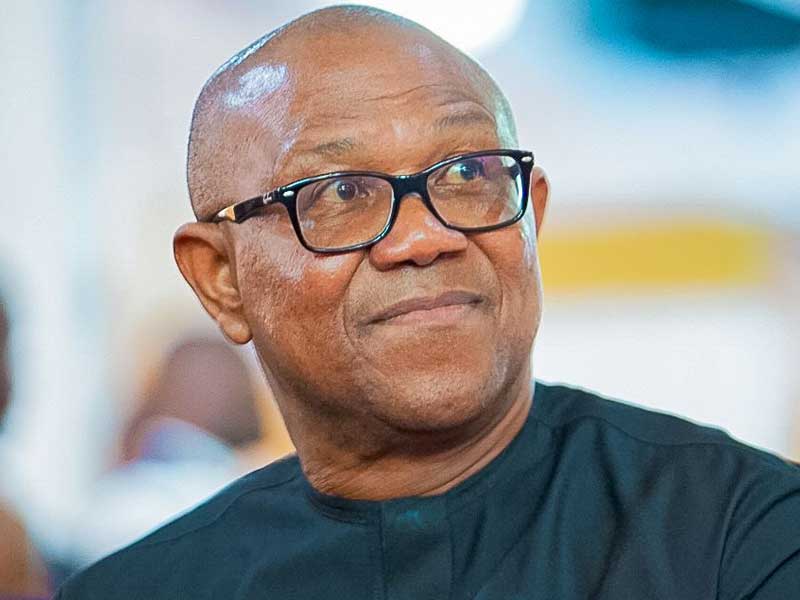
Two weeks after Anambra elected a new governor, the political ripples from the vote continue to stir controversy — largely because Labour Party leader Peter Obi failed to deliver his own polling unit for his party’s candidate.
In Agulu, Anaocha Local Government Area, the Labour Party’s George Moghalu secured 57 votes, while the APC’s Nicholas Ukachukwu topped the unit with 73. Statewide, the election was comfortably won by the incumbent governor, Prof Chukwuma Soludo of the All Progressives Grand Alliance (APGA), with the APC trailing behind.
The outcome has triggered wide debate online and among political actors, with critics framing the result as evidence that Obi’s influence is slipping in Anambra. Supporters, however, argue that Obi was not a candidate in the race and cannot be judged by the performance of others.
Obi, who contested the 2023 presidential election, publicly backed Moghalu during the campaign and joined a solidarity walk in Anambra. The Obidient Movement also claimed full mobilisation across the state, boasting over 5,700 polling unit coordinators.
Despite the effort, Moghalu struggled to gain traction. The APC in Lagos State quickly seized on the result, urging Obi to abandon any ambition of contesting for the presidency again in 2027. Its spokesperson, Seye Oladejo, questioned how a politician who “cannot win his street” could hope to lead a nation.
“A man who cannot win his polling unit has no business dreaming of winning a country,” Oladejo said, adding that the defeat symbolised “the collapse of the myth around Peter Obi.”
But several political analysts reject that interpretation. Barrister Emma Ibediro, former National Organising Secretary of the APC and member of the Igbo Agenda Dialogue, said the loss has “absolutely nothing” to do with Obi’s popularity.
“He was not on the ballot, and his popularity cannot be judged by an election he did not contest,” Ibediro told DAILY POST. “When Peter Obi is on the ballot, then his influence can be tested. This was not his election.”
Across social media, reactions remain sharply divided.
Some commentators insist the result shows Obi has lost ground, while others argue Anambra voters typically separate their support for him from gubernatorial contests. Many pointed to 2023, when Obi dominated Southeast votes in the presidential election.
“It’s not Peter’s election. If you want to test Obi’s structure, put him on the ballot,” one user wrote. Another argued that Anambra rarely backs Obi’s preferred gubernatorial candidates, recalling similar outcomes in previous cycles.
Still, the symbolism of losing his home polling unit has become a political talking point — one certain to resurface as the march toward the 2027 presidential race grows louder.