
Now Reading: US–UK Strike Zero-Tariff Deal on Drug Imports as NHS Agrees to Higher Medicine Costs
-
01
US–UK Strike Zero-Tariff Deal on Drug Imports as NHS Agrees to Higher Medicine Costs
US–UK Strike Zero-Tariff Deal on Drug Imports as NHS Agrees to Higher Medicine Costs

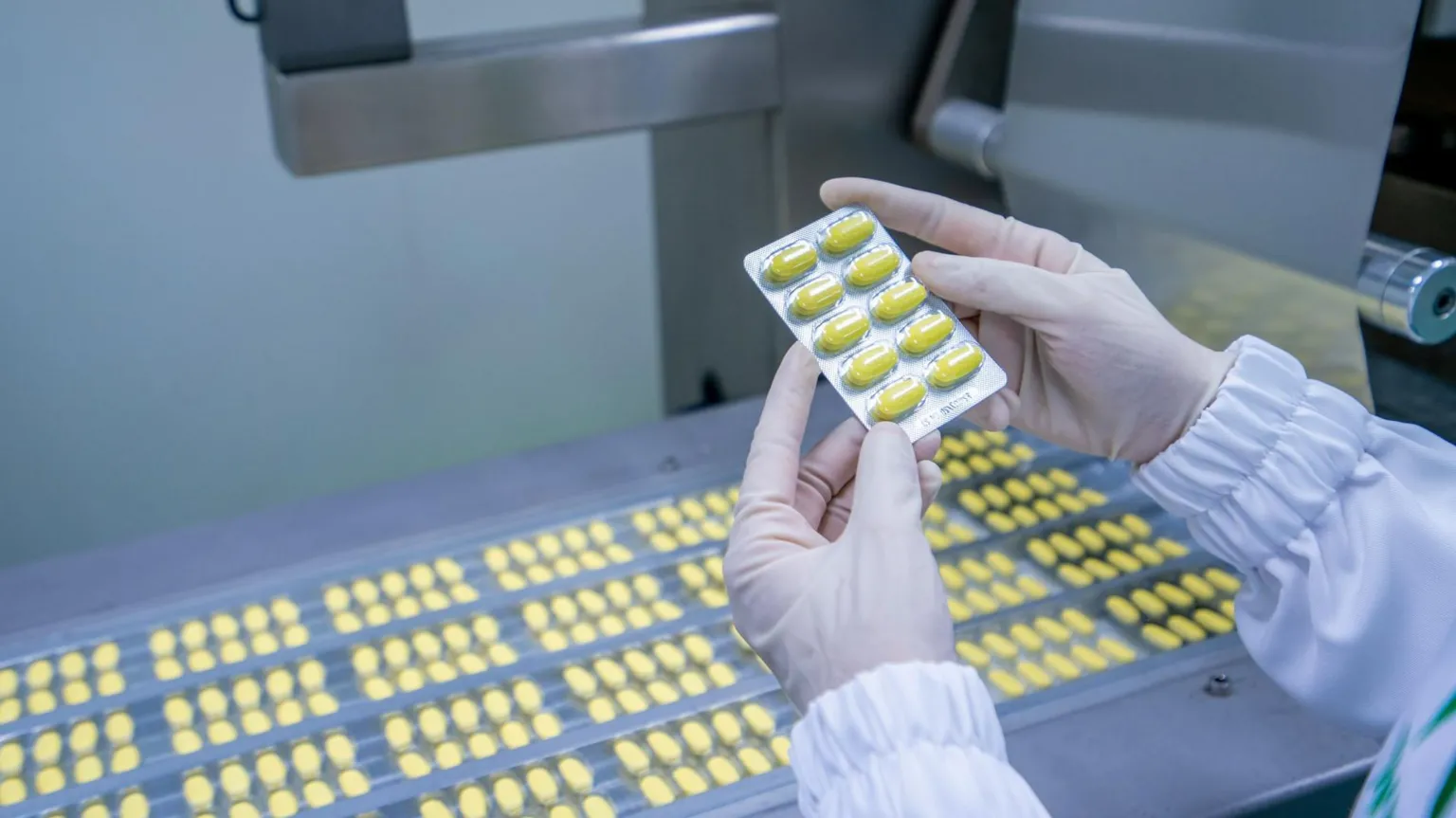
A three-year agreement between the United States and the United Kingdom will keep tariffs on UK pharmaceutical exports to America at zero — but only after London committed to raising what the NHS pays for new medicines.
The deal marks a major breakthrough after months of uncertainty sparked by President Donald Trump’s threat to slap tariffs of up to 100% on branded drugs entering the US. Pharmaceuticals are among Britain’s most valuable exports, with the US serving as the largest market for companies such as GSK and AstraZeneca.
Under the agreement, the UK will increase the price threshold at which it considers new treatments unaffordable by 25%. NHS spending on medicines is also set to rise significantly — from 0.3% of GDP to 0.6% over the next decade.
To protect the health service budget, the annual payment-back rate for pharmaceutical companies will be capped at 15%, down from more than 20% last year.
The White House has argued for years that Americans bear disproportionately high drug costs, effectively subsidising lower prices in Europe.
US Health Secretary Robert Kennedy Jr said the new agreement “brings long-overdue balance” to the pharmaceutical relationship between both countries.
“Americans should not pay the world’s highest drug costs for medicines they helped fund,” he said.
UK–US tensions over medicine pricing have been blamed for stalling planned pharmaceutical investments. GSK recently announced a $30bn (£22bn) research and manufacturing push in the US, while Merck (MSD in Europe) cancelled a £1bn UK expansion. AstraZeneca has also paused a £200m Cambridge project despite unveiling a $50bn investment programme stateside.
Health Secretary Wes Streeting warned earlier this year that drug companies would not be allowed to “rip off” the UK, though ministers later acknowledged the NHS must increase long-term spending on medicines.
Government data shows the UK shipped £11.1bn worth of medicines to the US in the 12 months to September — accounting for 17.4% of all British goods exports.
The new agreement locks in zero tariffs for the next three years, providing stability for an industry navigating fierce global competition and escalating pressure over drug prices.