Now Reading: Iran Combines High-Tech Tactics and Brutal Force in Record Crackdown on Nationwide Protests
-
01
Iran Combines High-Tech Tactics and Brutal Force in Record Crackdown on Nationwide Protests
Iran Combines High-Tech Tactics and Brutal Force in Record Crackdown on Nationwide Protests

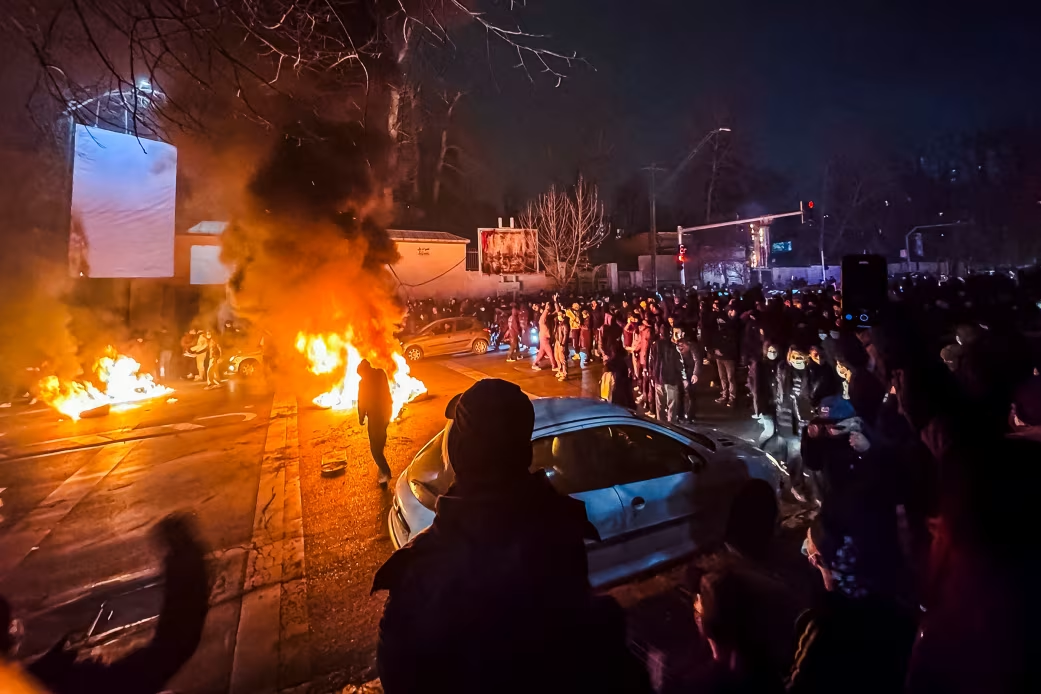
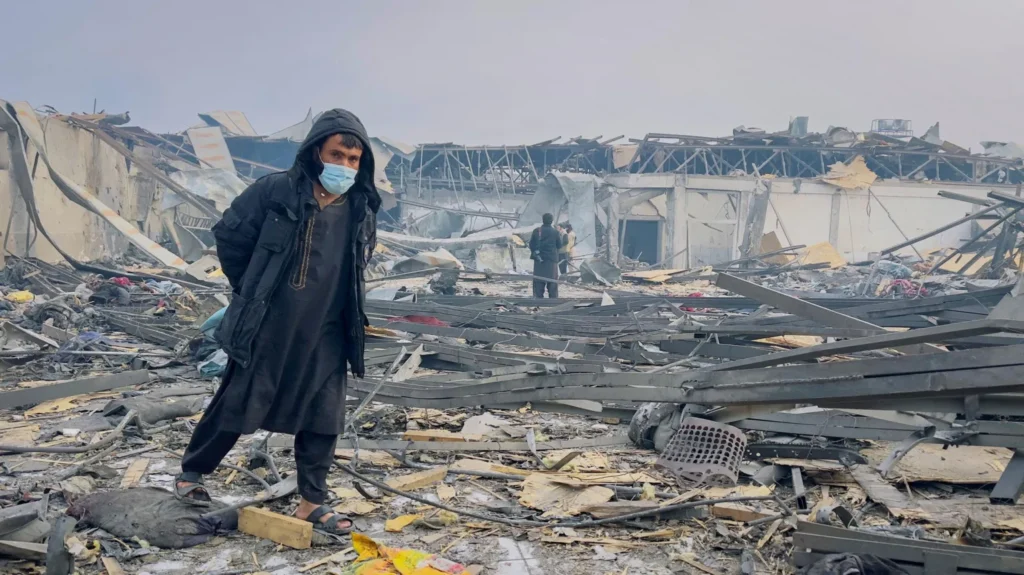
Tehran, Iran – Iran has escalated its response to nationwide protests with unprecedented technological and tactical measures, signaling a new era of state control over dissent. The crackdown, which experts describe as one of the deadliest since the 1979 revolution, combines age-old repression with advanced surveillance, communications disruption, and psychological operations.
Authorities have deployed low-flying drones, signal jammers, rapid-response propaganda, and paramilitary forces simultaneously to suppress anti-government demonstrations. Analysts say the regime views domestic unrest as a continuation of conflict with Israel, framing protesters as foreign agents in what it calls the “thirteenth day of war.”
Surveillance and Communications Blackouts
Protesters were monitored through street CCTV and even in their homes, with videos circulated by authorities showing drone operators identifying citizens chanting slogans against the regime. “Everything is under surveillance,” state security messages warned.
Iran also enforced one of the most sophisticated internet blackouts in its history, jamming satellite terminals, including Starlink, to isolate citizens from outside communications. Cybersecurity experts describe the jamming technology as “military-grade” and more advanced than previous measures during the 2019 fuel-price and 2022 women’s rights protests.
Unprecedented Violence
Protests, which began peacefully, escalated on January 10, with hundreds reportedly killed and thousands detained over a three-day crackdown. Authorities have refused to acknowledge responsibility, blaming “rioters” allegedly backed by foreign powers.
The rapid mobilization of Basij paramilitary forces—previously used to counter infiltration during the war with Israel—reflects the regime’s growing paranoia. Experts note the government is now willing to use extreme violence to quell dissent it perceives as a national security threat.
Propaganda and Fear Tactics
State media has sought to instill fear by broadcasting body bags, detainees, and alleged confessions, while staging pro-government demonstrations to counter protests. Officials frame protesters as collaborators with foreign adversaries, portraying the crackdown as defensive rather than oppressive.
Matthew Levitt, a counterterrorism analyst at the Washington Institute for Near East Policy, said, “The regime is now fighting against its own people, and it is responding aggressively to perceived threats.”
As protests continue, Iran’s approach marks a disturbing evolution: blending surveillance, communications control, paramilitary deployment, and propaganda to maintain domestic power and suppress political dissent.