
Now Reading: Cement prices surge to ₦10,500 as Nigerians brace for higher rents and construction costs
-
01
Cement prices surge to ₦10,500 as Nigerians brace for higher rents and construction costs
Cement prices surge to ₦10,500 as Nigerians brace for higher rents and construction costs

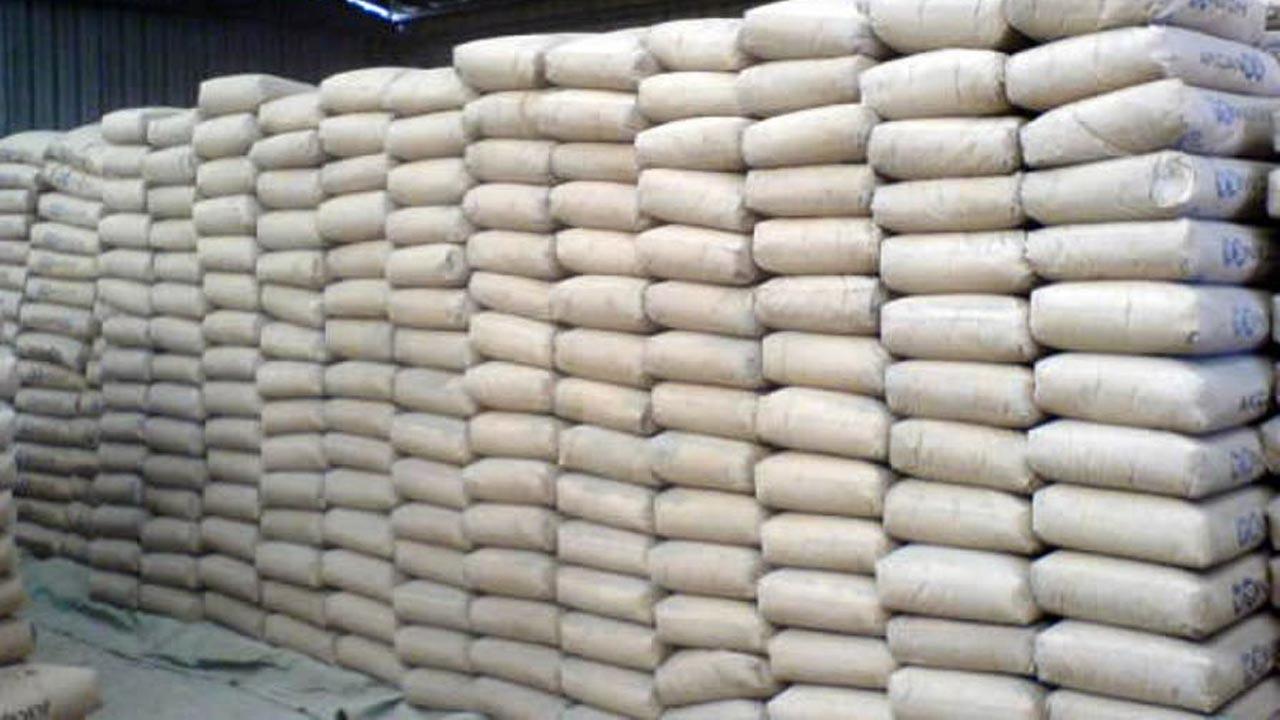
A fresh spike in cement prices across Nigeria is piling pressure on households and businesses, deepening concerns about housing affordability and the rising cost of living.
Checks by DAILY POST show that a 50-kilogram bag of cement now sells for as much as ₦10,500, up from about ₦9,800 in December 2025 — an increase of roughly ₦1,000, or 7.1%, in just one month.
The new prices are already in effect in Abuja, Nasarawa, Niger and several other states, with figures varying slightly by location and distributor. Major brands affected include Dangote Cement, Mangal and other leading producers.
The latest hike has reignited public anger, especially given Nigeria’s vast cement raw materials in places such as Obajana in Kogi State and Okpella in Edo State. It also contradicts earlier assurances by industry players that cement prices would be capped at around ₦7,000 per bag.
Rents climb as construction costs rise
Property experts warn that higher cement prices are quickly feeding into rent increases, particularly in major cities.
Self-contained apartments in urban centres like Abuja and Lagos now cost as much as ₦800,000 per year, more than double the ₦400,000 paid in many areas previously, according to market observations.
The surge comes at a time when many Nigerians are already struggling with inflation, which rose to 15.15% in December 2025, up from 14.45% the previous month.
Despite mounting complaints, there has been little public response from the federal authorities on how they plan to address the rising cost of housing and building materials.
‘A serious threat to jobs and housing’ — Ex-REDAN president
The former president of the Real Estate Developers Association of Nigeria (REDAN), Alhaji Aliyu Oroji Wamakko, described the development as alarming, warning that it could stall property development and trigger job losses.
He said rising construction costs would inevitably be passed on to tenants, while businesses across the construction value chain could be forced to shut down.
Wamakko recalled that cement manufacturers such as Dangote and BUA were invited to the Presidency last year after prices climbed to around ₦10,000 per bag, at which point they reportedly pledged to bring prices down.
“Now, nobody seems to know why prices are rising again, and the government has remained silent,” he said.
He also criticised the apparent inactivity of the Price Control Board, which he said should be monitoring and responding to such sharp increases.
Why are prices rising?
According to Wamakko, several factors may be driving the surge, including increased demand from large-scale road construction projects where cement is increasingly used instead of alternative materials.
He also pointed to currency volatility and Nigeria’s dependence on imported chemicals and equipment required for cement production.
Calling for urgent action, Wamakko urged the government to carry out a comprehensive review of cement production and pricing to identify the root causes and prevent further shocks to the economy.
“We cannot even estimate how high cement prices might go if this continues unchecked,” he warned.