Now Reading: Leaked Photos Reveal Faces of Hundreds Killed in Iran’s Protest Crackdown
-
01
Leaked Photos Reveal Faces of Hundreds Killed in Iran’s Protest Crackdown
Leaked Photos Reveal Faces of Hundreds Killed in Iran’s Protest Crackdown

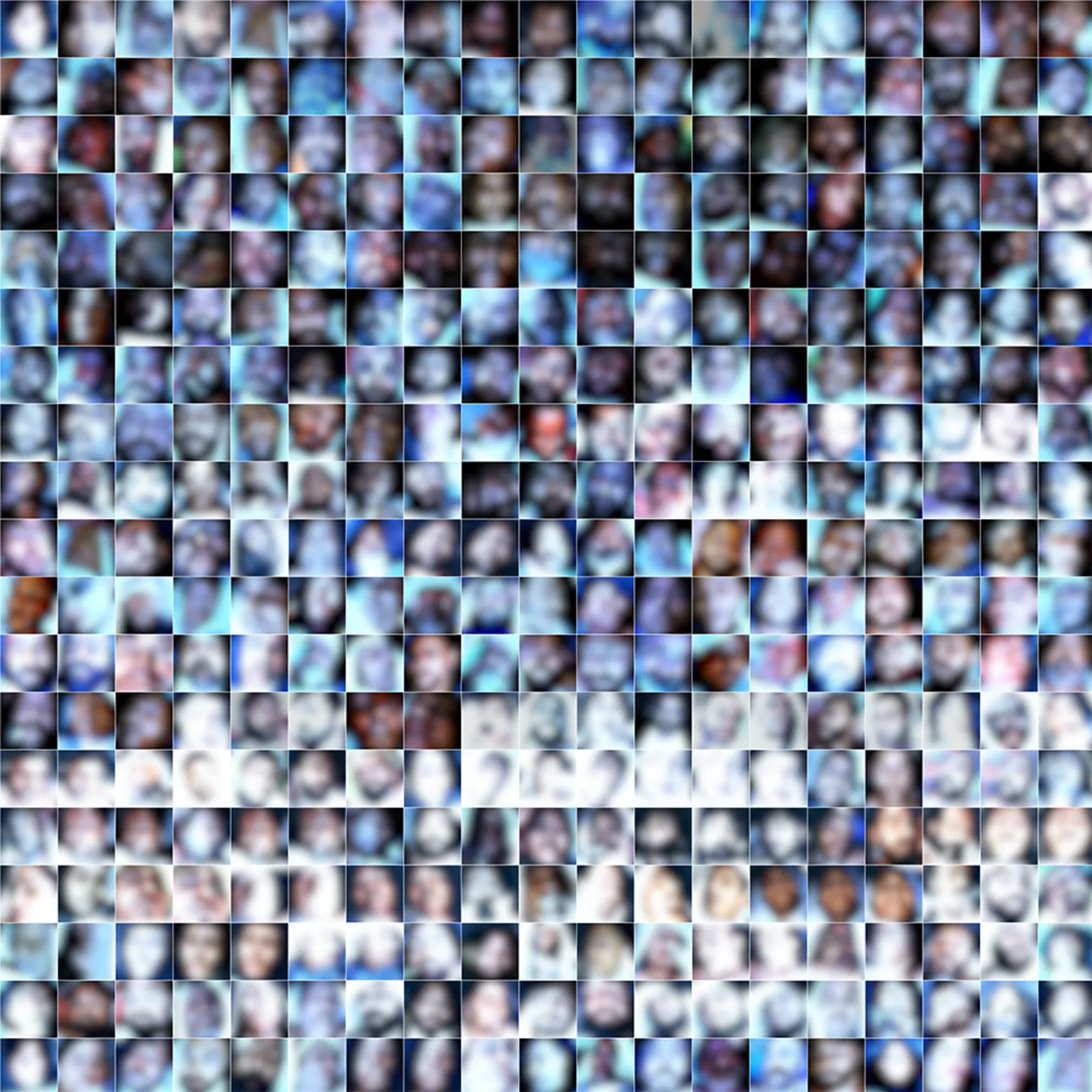
A vast cache of leaked images has exposed the bloodied faces of at least 326 people killed during Iran’s violent suppression of anti-government protests, BBC Verify can reveal.
The photos, taken inside a Tehran mortuary, show victims whose bodies were severely disfigured. The images – too graphic to publish without blurring – have become one of the few ways families have been able to identify their dead relatives amid a near-total internet blackout.
Families Forced to Identify Victims from Mortuary Photos
BBC Verify reviewed 392 images from the Kahrizak Forensic Medical Centre and identified 326 victims, including 18 women. Many of those pictured were so badly injured that they could only be labelled as “John Doe” or “Jane Doe,” written in Persian, indicating their identities were unknown at the time.
Only 28 victims had clearly legible name labels in the photos. The images reveal the scale of violence inflicted on protesters – and highlight how the state has attempted to suppress information about the death toll.
Deadliest Night Recorded on 9 January
More than 100 victims had dates of death recorded on their labels. For many, the date was 9 January – one of the bloodiest nights of the protests in Tehran.
On that night, streets in the Iranian capital were set ablaze during clashes with security forces. Protesters chanted slogans against the Islamic Republic and its supreme leader, Ayatollah Ali Khamenei, after calls for nationwide demonstrations by Reza Pahlavi, the exiled son of the late shah.
Internet Blackout Makes Verification Almost Impossible
BBC Verify has tracked protests across Iran since they began in late December. But the government’s near-total internet shutdown has made it extremely difficult to verify the true scale of the crackdown and to document the deaths.
Iran’s supreme leader has acknowledged that “several thousand” people have died, blaming the United States, Israel, and what he described as “seditionists.”
Leaked Images Suggest Death Toll Could Be Far Higher
While BBC Verify identified 326 victims from the leaked photographs, sources say the actual number of bodies at the mortuary could be in the thousands.
One source, who asked to remain anonymous for safety reasons, described being unprepared for the devastation inside the facility, saying victims ranged from children as young as 12 to elderly people in their 60s and 70s.
Amid the chaos, grieving families were reportedly forced to sit together in front of a screen as hundreds of images of the dead were displayed, desperately searching for their loved ones.