Now Reading: Three Tons of Bondi Beach Memorial Flowers to Become Art in Tribute to Deadliest Mass Shooting
-
01
Three Tons of Bondi Beach Memorial Flowers to Become Art in Tribute to Deadliest Mass Shooting
Three Tons of Bondi Beach Memorial Flowers to Become Art in Tribute to Deadliest Mass Shooting

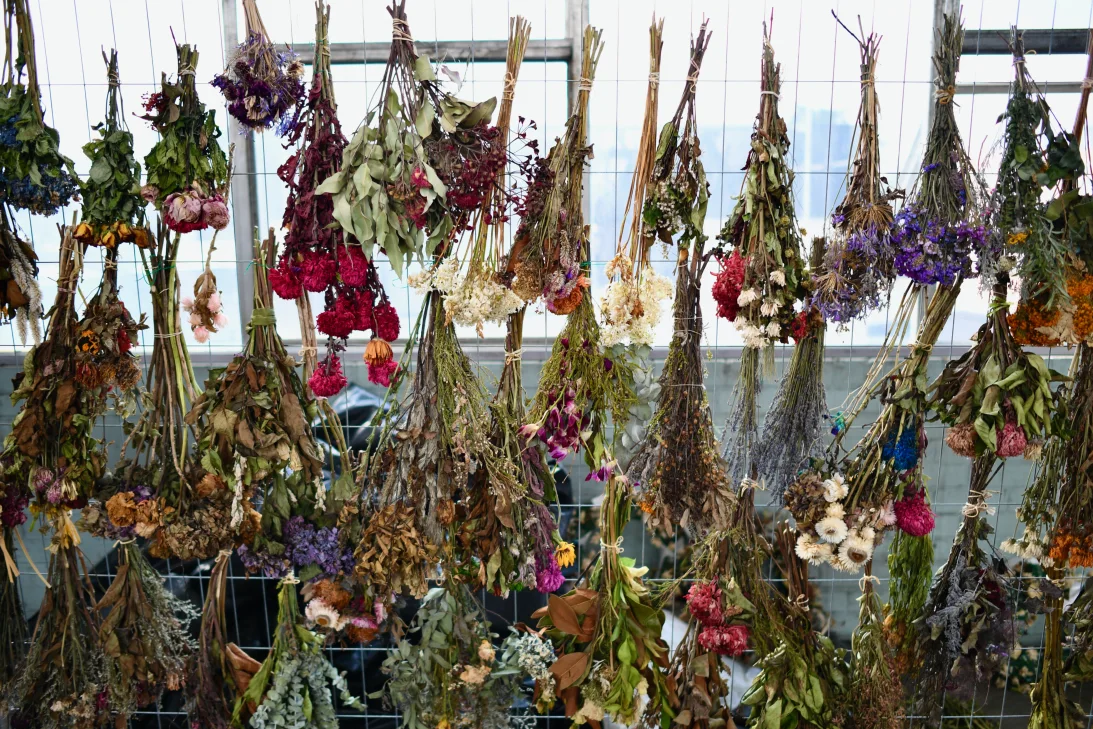
Jewish artist and volunteers preserve bouquets from Bondi Beach attack to create lasting memorial
More than three tonnes of flowers left at the Bondi Beach memorial site after the deadly antisemitic attack will be transformed into artworks, organisers have said.
The bouquets, which filled the area around the Bondi Pavilion in the days after the shooting that killed 15 people, were collected by Jewish artist Nina Sanadze with help from the Sydney Jewish Museum. The museum is now preserving the flowers to create a permanent tribute to Australia’s deadliest mass shooting in nearly three decades.
The memorial site, which drew thousands of mourners, was officially closed by authorities, but Sanadze said people continue to leave flowers. The artist said the team is still collecting fresh bouquets and preserving them rather than discarding anything, including leaves and seeds.
Massive preservation effort as volunteers dry flowers ‘petal by petal’
The effort to dry and store the flowers has been a logistical challenge. The museum secured warehouse space and trucks to transport the blooms in large black plastic bags, which Sanadze said looked like “body bags.” Volunteers have spent weeks ironing the flowers between tissue paper and sorting them by colour and species.
The project has attracted more than 100 volunteers, many from Sydney’s Jewish community, and has provided a form of emotional support as they process the trauma of the attack.
“Honestly, we’re not talking about the attack at all. We’re just talking about flowers,” Sanadze said. “Sometimes people just cry or come for a hug with a heavy, heavy heart.”
Sanadze added that the work helped her manage the anger and grief she felt after the shooting.
From petals to pigments: flowers to form mixed-media memorial at Sydney Jewish Museum
With the preservation phase now complete, Sanadze will spend the next year turning the flowers into a series of artworks ahead of the reopening of the Sydney Jewish Museum, which is undergoing redevelopment.
The artist, known for her sculptures, plans a range of mixed-media pieces. She is considering using pigments extracted from the dried petals to create paintings based on photographs of the aftermath. Other works may include messages left by mourners, an indoor garden grown from recovered seeds, and composted plant matter turned into seating, flooring, and tiles for the museum.
“I’m wondering whether we can have multiple rooms in the museum, where you go from room to room and the work unfolds with a variety of installations,” she said.
Rising tide of antisemitism sparks urgent call for remembrance
The Bondi attack has been widely condemned and is being commemorated with a National Day of Mourning. The preservation project reflects a broader effort to remember the victims and confront the growing rise in antisemitic violence.