Now Reading: Trump Rewrites World War II History, Jabs Allies and Past US Leaders at Davos
-
01
Trump Rewrites World War II History, Jabs Allies and Past US Leaders at Davos
Trump Rewrites World War II History, Jabs Allies and Past US Leaders at Davos

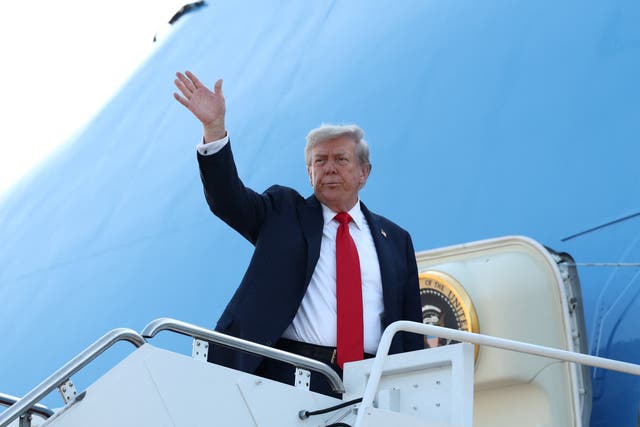
At the World Economic Forum, Donald Trump downplays Allied sacrifices, elevates US dominance in World War II, and revives his “America First” worldview—stirring unease among long-standing allies.
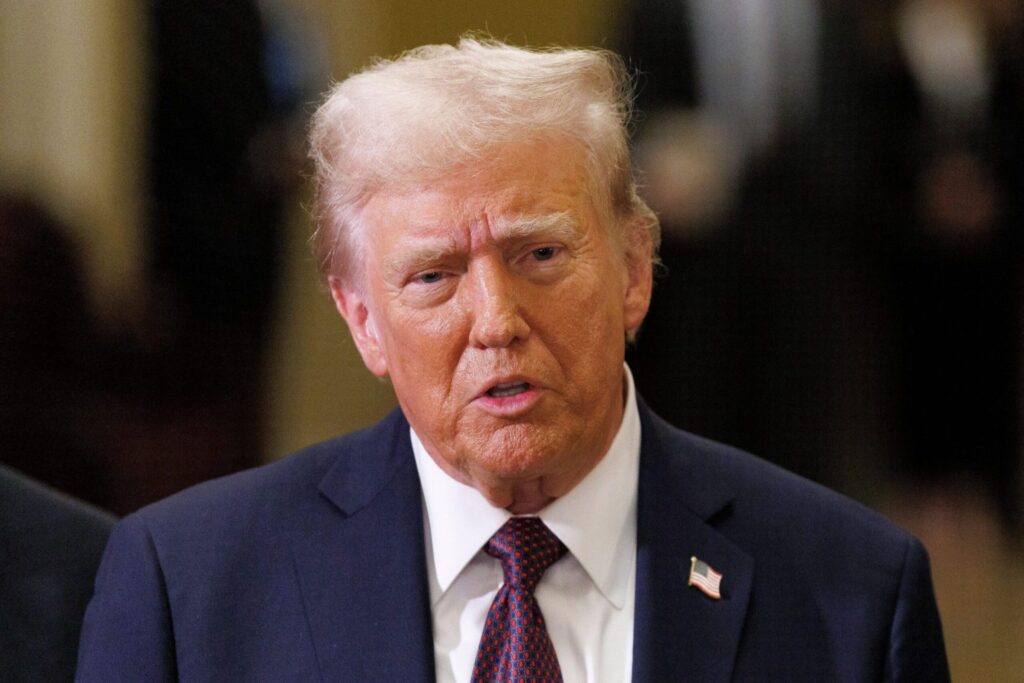
Donald Trump has once again unsettled US allies and historians alike after using a global stage in Davos to advance a sharply personalised version of history—one that places America alone at the centre of World War II victory while casting partners and past US leaders as peripheral or misguided.
Speaking during an hour-long address at the World Economic Forum in Switzerland, the US president suggested that the Second World War was not an Allied triumph but a singular American achievement.
“We won it big,” Mr Trump told the audience. “Without us, right now you’d all be speaking German and a little Japanese, perhaps.”
The remarks, delivered to a largely European audience, reignited long-standing concerns about Mr Trump’s “America First” doctrine, which often treats alliances as transactional and dismisses the multilateral foundations of post-war global order.
Historians widely agree that World War II was won through a coalition of nations, each bearing immense human and material costs. The Soviet Union suffered the largest number of casualties—running into several millions—while China and the United Kingdom also paid an extraordinary price. American forces played a decisive role, particularly in Western Europe and the Pacific, but not in isolation.
The Allied powers—principally the United States, the Soviet Union and Britain—coordinated the war’s conclusion at the Potsdam Conference, laying the groundwork for post-war governance and security.
Mr Trump also revisited the history of Greenland, claiming the United States was “compelled” to establish military bases there during World War II in order to defend Denmark.
“Denmark knows that we literally set up bases on Greenland for Denmark. We fought for Denmark. We weren’t fighting for anyone else,” he said.
While Denmark did surrender to Nazi Germany within hours of invasion in 1940, historians note that the US decision to establish bases in Greenland was driven primarily by American strategic interests—securing North Atlantic shipping routes and protecting the Western Hemisphere.
That position was articulated clearly by President Franklin D. Roosevelt in 1941, when he warned Americans that Nazi control of Greenland would bring the war dangerously close to US shores.
The contrast between Mr Trump’s rhetoric and earlier US leadership is striking. After the war, President Harry Truman emphasised cooperation over conquest, insisting the United States sought “no territory or profit or selfish advantage” while maintaining overseas bases to safeguard collective security and peace.
That multilateral outlook ultimately shaped the creation of NATO in 1949. Denmark and the United States were among its founding members, anchoring a security alliance that still defines transatlantic relations today.
Mr Trump’s Davos comments come amid renewed debate over America’s role in global leadership, raising fresh questions about how history, power and alliances are being reframed under his presidency.