Now Reading: N20,000 Salaries, Tax Deductions and Survival Sales: How Nigeria’s Private School Teachers Are Coping With Economic Strain
-
01
N20,000 Salaries, Tax Deductions and Survival Sales: How Nigeria’s Private School Teachers Are Coping With Economic Strain
N20,000 Salaries, Tax Deductions and Survival Sales: How Nigeria’s Private School Teachers Are Coping With Economic Strain

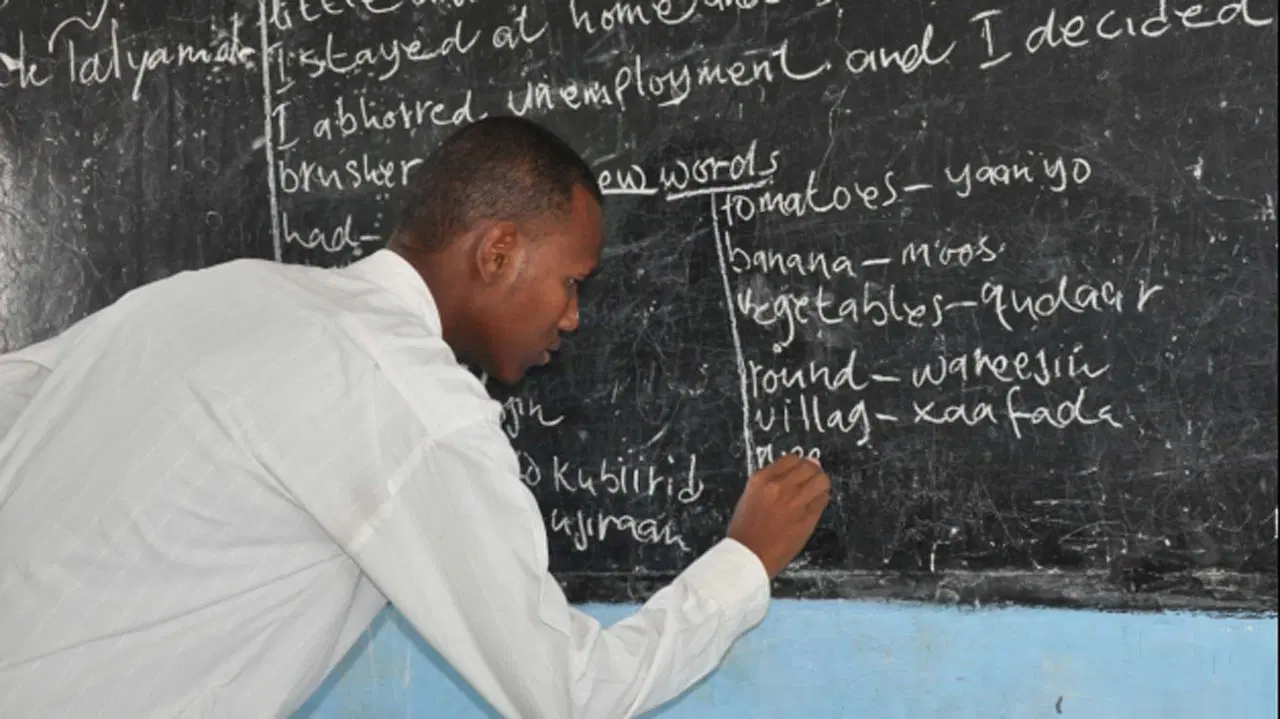
: Educators turn to petty trading, tailoring and POS businesses as low pay pushes many out of classrooms
Chalkboards and lesson notes are no longer the only items found on some teachers’ desks in Nigeria’s private schools. Biscuits, groundnuts and sweets now sit beside textbooks as educators quietly turn classrooms into mini shops to survive a harsh economic reality.
Despite the July 2024 increase of Nigeria’s national minimum wage to ₦70,000 for organisations with 25 employees and above, many teachers in private schools say they still earn as little as ₦20,000 to ₦35,000 monthly — far below the legal benchmark.
The widening gap between living costs and wages is forcing many teachers to abandon the profession, while those who remain juggle side businesses, extra lessons and part-time jobs to make ends meet.
“We the teachers are going through tough times in this economy,” said Mr David Ogbebor, a private school teacher. “My pay can hardly cover a fraction of my needs. Now the school management is asking for my BVN to start deducting tax from ₦35,000 salary that is not even up to the minimum wage.
“So, I combine my tailoring business with teaching just to survive.”
Teachers leaving the classroom
For many educators, passion for teaching is no longer enough to keep them in the profession.
Mrs Lilian Osakpamwan, who left her job at a private school, said she taught three subjects and endured long hours standing, only to face delayed salaries and verbal abuse from management.
“When it was time to pay, salaries came weeks late, and the proprietor would insult staff. Lesson fees were paid the next term — if you returned. My love for teaching vanished,” she said.
She eventually sought employment in another organisation with better pay.
From classroom to POS stand
Miss Judith Uweni, now a Point of Sale (POS) operator, said the decision to leave teaching came when her school requested her BVN for tax deductions on a ₦30,000 salary.
“I knew it was time to leave. I hardly earned ₦500,000 a year and they were talking about tax. I borrowed money from friends and online lenders to start this POS business. It is better than being a slave with no savings or peace of mind,” she said.
She added that some schools reportedly pay as low as ₦8,000 to ₦15,000 despite having large student populations.
NYSC members filling teaching gaps
The shortage of qualified teachers is also evident in some schools relying heavily on National Youth Service Corps (NYSC) members.
A corps member, who asked not to be named, said the school where they serve has only one permanent staff member — the principal.
“All of us, except the principal, are corpers. I teach from JSS1 to SS3. It is overwhelming. If they paid better salaries, there would be more teachers,” the corps member said.
A profession under pressure
Years ago, landlords were reluctant to rent apartments to teachers due to perceptions of poor pay. Many educators say little has changed.
With inflation, rising food prices and transport costs eroding incomes, private school teachers now face the difficult choice of either leaving the profession or turning to small-scale trading to survive within it.
For some, the classroom is no longer just a place of learning — it has become a lifeline for economic survival.