Now Reading: China Moves to Elevate the Renminbi as Global Reserve Currency Amid Dollar Weakness
-
01
China Moves to Elevate the Renminbi as Global Reserve Currency Amid Dollar Weakness
China Moves to Elevate the Renminbi as Global Reserve Currency Amid Dollar Weakness

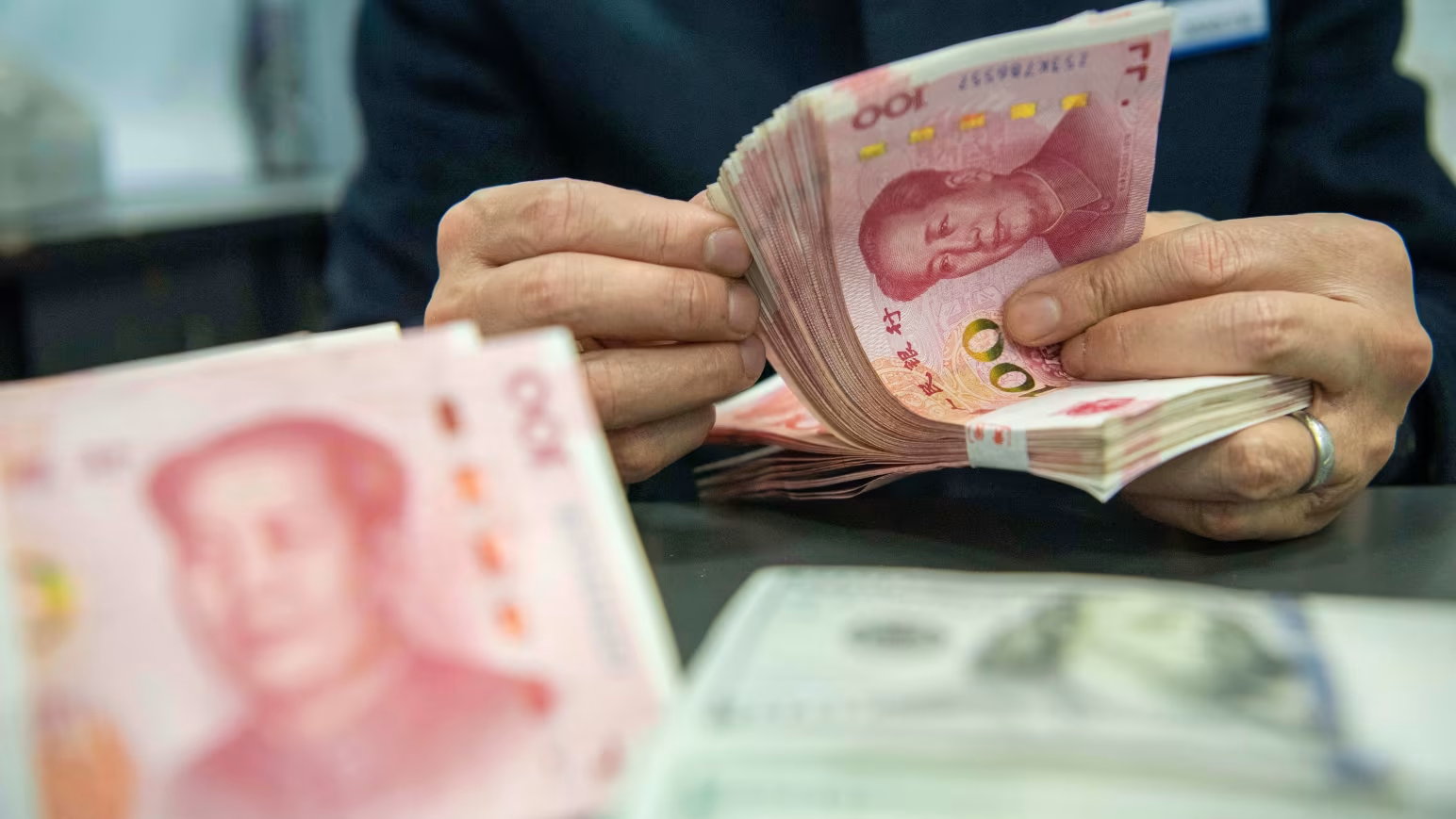
Beijing – February 4, 2026 – China has unveiled fresh ambitions to elevate the renminbi’s role in global finance, positioning its currency as a credible alternative to the US dollar at a time of mounting geopolitical and economic uncertainty.
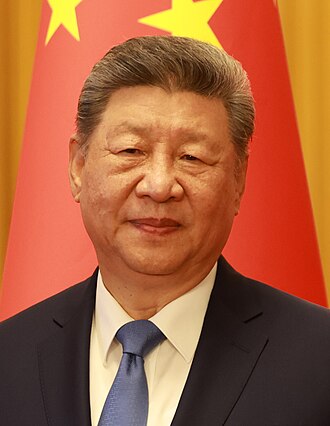
Remarks by President Xi Jinping, published over the weekend in the Communist Party’s flagship journal Qiushi, outlined a long-term strategy to build “a strong currency widely used in international trade and foreign exchange,” backed by a powerful central bank and greater global pricing influence.
Although the comments were made privately in 2024, their publication now signals Beijing’s intent to capitalize on what it sees as a rare opening: declining confidence in the dollar amid market turbulence linked to US economic policy.
A Window Opened by Dollar Volatility
Since President Donald Trump returned to office last year, investors have grown uneasy about the trajectory of US monetary and trade policy. A series of tariffs on major trading partners and uncertainty surrounding leadership changes at the Federal Reserve have contributed to a slide in the dollar’s value to multi-year lows.
At the same time, gold prices have surged to record levels as investors seek safe-haven assets. Analysts say this climate has created an opportunity for China to promote the renminbi as a stable alternative in global transactions.
“Now the way that the Party thinks about it is, ‘We’re in a really unique moment in time, because people are becoming disillusioned with the dollar,’” said Dinny McMahon, head of markets research at Trivium China.
Why Reserve Currency Status Matters
For more than eight decades, the US dollar has underpinned the global financial system, a position cemented by the Bretton Woods agreement after World War II. Its dominance gives Washington powerful leverage, from borrowing at low costs to imposing financial sanctions worldwide.
The International Monetary Fund recognizes several reserve currencies, including the euro, renminbi, yen and pound sterling. China’s push is not necessarily to replace the dollar outright, but to expand the renminbi’s share and reduce its own vulnerability to US financial pressure.
Steps China Has Taken
Over the past decade, Beijing has gradually opened its financial markets to foreign investors, improved cross-border payment systems and encouraged the use of renminbi in trade settlements.
The currency’s international use accelerated after Western sanctions on Russia over Ukraine prompted Moscow to increase trade with China using renminbi. China’s central bank has also promoted the idea of a “multi-polar” currency system to dilute dollar dominance.
BRICS nations have discussed creating alternative financial frameworks, an idea Trump has warned could trigger steep tariffs if pursued.
Could the Renminbi Rival the Dollar?
Despite Beijing’s ambitions, the gap remains vast. IMF data shows the dollar still accounts for around 57% of global foreign exchange reserves, compared with roughly 20% for the euro and just 2% for the renminbi.
Analysts say structural challenges remain for China, including capital controls, limited transparency and concerns over state influence in financial markets. For now, the renminbi’s rise is seen as gradual rather than revolutionary.
China’s strategy appears focused less on overthrowing the dollar and more on steadily building a credible alternative in a world where confidence in American financial leadership is no longer taken for granted.