Now Reading: Peter Obi Blasts Senate Over E-Transmission Vote, Says Nigeria ‘Fantastically Corrupt’ and ‘Disgraced’
-
01
Peter Obi Blasts Senate Over E-Transmission Vote, Says Nigeria ‘Fantastically Corrupt’ and ‘Disgraced’
Peter Obi Blasts Senate Over E-Transmission Vote, Says Nigeria ‘Fantastically Corrupt’ and ‘Disgraced’

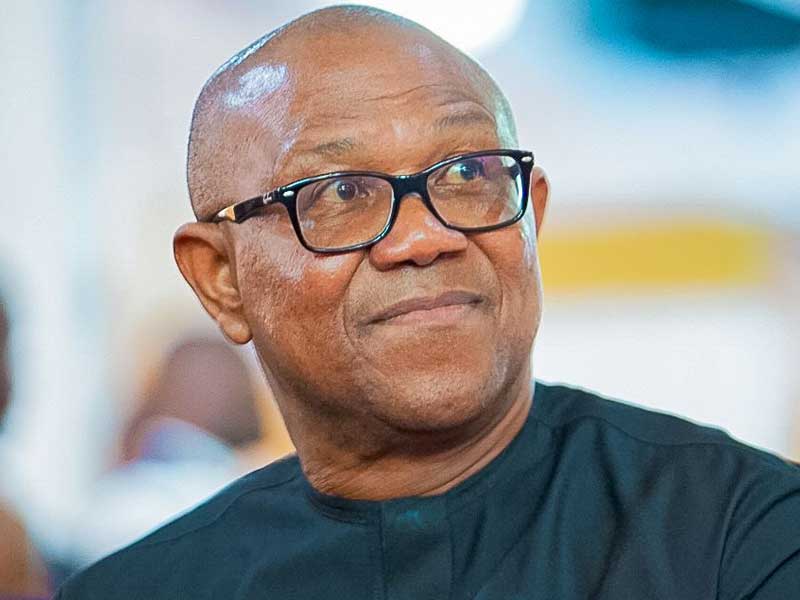
Former Labour Party candidate warns rejection of electronic results transmission threatens 2027 elections and deepens distrust in Nigeria’s democracy.
Peter Obi, the Labour Party’s presidential candidate in the 2023 election, has sharply criticised the Nigerian Senate for rejecting a proposal to make electronic transmission of election results mandatory, describing the decision as a dangerous setback for democracy.
In a statement posted on X on Friday, Obi said the Senate’s action reinforces perceptions of Nigeria as “fantastically corrupt” and a “disgraced nation,” warning that the move weakens safeguards needed to ensure credible elections ahead of 2027.
He said he had delayed responding to the development while mourning victims of a deadly incident in Kwara State where more than 150 people were reportedly killed.
“That painful incident is why I delayed responding to the shameful development surrounding our electoral system,” he wrote.
‘Unforgivable Act of Electoral Manipulation’
Obi described the Senate’s refusal to mandate electronic transmission as a deliberate attempt to undermine transparency rather than a legislative oversight.
“The Senate’s open rejection of electronic transmission of results is an unforgivable act of electoral manipulation ahead of 2027,” he said.
According to him, credible elections depend on clear technological safeguards that reduce human interference and disputes over results.
He argued that the controversies that followed the 2023 general elections were largely linked to the failure to fully deploy electronic transmission, dismissing earlier claims of technical glitches.
“The confusion, disputes and manipulation that followed the 2023 elections were largely due to the refusal to fully implement electronic transmission,” Obi stated.
Comparing Nigeria With Other African Countries
The former Anambra State governor said several African countries have embraced technology to strengthen electoral credibility, while Nigeria appears to be moving in the opposite direction.
“Many African nations now use electronic transmission to strengthen their democracy. Yet Nigeria, which calls itself the giant of Africa, is moving backwards,” he said.
He blamed the country’s political elite for resisting reforms that could improve governance and public trust.
References to Past Foreign Remarks
Obi recalled controversial remarks by foreign leaders who previously described Nigeria as corrupt, arguing that decisions like this appear to validate those characterisations.
“When a former UK Prime Minister described Nigeria as ‘fantastically corrupt,’ we were offended. When former US President Donald Trump called us a ‘disgraced nation,’ we were angry. But our continued resistance to transparency keeps proving them right,” he said.
Call for Vigilance Ahead of 2027
Obi urged Nigerians not to accept a repeat of what he described as irregularities witnessed in 2023 and called for lawful civic engagement to protect the democratic process.
He also appealed to the international community to pay close attention to Nigeria’s electoral preparations.
“The criminality seen in 2023 must not be tolerated in 2027,” he warned, adding that “a new Nigeria is possible if citizens take collective responsibility.”