Now Reading: US and Iran Hold High-Stakes Talks in Oman Amid Rising Fears of Military Confrontation
-
01
US and Iran Hold High-Stakes Talks in Oman Amid Rising Fears of Military Confrontation
US and Iran Hold High-Stakes Talks in Oman Amid Rising Fears of Military Confrontation

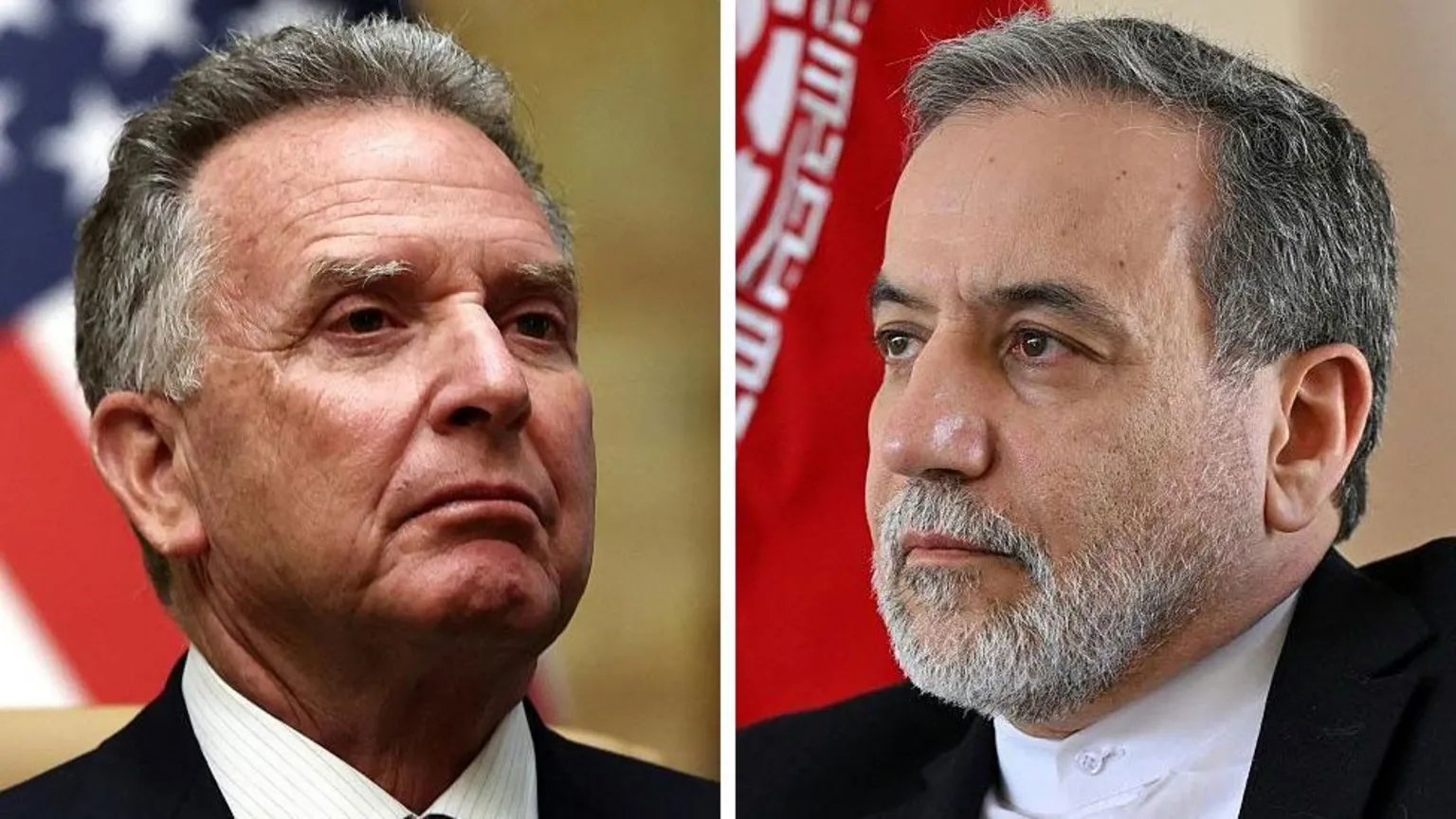
Senior US and Iranian officials are meeting in Oman for urgent talks, as tensions between Washington and Tehran continue to escalate amid a potential military showdown.
The US delegation is led by Special Envoy Steve Witkoff, while Iran’s team is headed by Foreign Minister Abbas Araghchi. Discussions come after a recent US military buildup in the Middle East, prompted by Iran’s violent crackdown on nationwide protests, which human rights groups say killed thousands.
Scope of the Talks
The talks are believed to be indirect and preliminary, with both sides far apart on key issues. The US is demanding Iran freeze its nuclear programme, dispose of enriched uranium stockpiles, address its ballistic missile programme, curb support for regional armed groups, and improve human rights. Iran, however, insists the discussions will focus solely on its nuclear activities.
Oman’s Foreign Minister met separately with both delegations and Jared Kushner, US envoy and former President Trump’s son-in-law, to “prepare the appropriate conditions for resuming diplomatic and technical negotiations.”
Historical Context and Stakes
The last round of nuclear talks collapsed in June 2025 after Israel launched a surprise attack on Iran. Since then, US President Donald Trump has threatened military strikes, deploying thousands of troops and a naval “armada” to the region, while Iran has vowed to retaliate against US assets in the Middle East and Israel.
For Iran’s leadership, weakened by mass protests and an economic crisis, the Oman talks could represent a last opportunity to avoid direct conflict. Human Rights Activists News Agency reports at least 6,883 deaths from security crackdowns, with more than 50,000 arrests.
Negotiation Challenges
Iran maintains the right to enrich uranium and refuses to limit its ballistic missile program or cut support for regional allies, including Hamas, Hezbollah, Iraqi militias, and Houthis. Officials have suggested potential concessions, such as a regional consortium for uranium enrichment, but significant differences remain.
US Secretary of State Marco Rubio stressed that negotiations must go beyond the nuclear issue to produce “something meaningful,” while Iranian President Masoud Pezeshkian instructed his delegation to pursue “fair and equitable negotiations” if conditions are suitable.
The talks, brokered by Egypt, Turkey, and Qatar, were initially planned for Istanbul but were moved to Oman at Iran’s request, allowing direct discussions between US and Iranian officials.
SEO Keywords: US Iran talks Oman, US Iran nuclear negotiations, Iran protests crackdown, Middle East military tensions, Iran-US conflict risk, Iran nuclear programme news