Now Reading: Kano 2027: Kwankwaso, Yusuf Head for Political Showdown After Shock Defection to APC
-
01
Kano 2027: Kwankwaso, Yusuf Head for Political Showdown After Shock Defection to APC
Kano 2027: Kwankwaso, Yusuf Head for Political Showdown After Shock Defection to APC

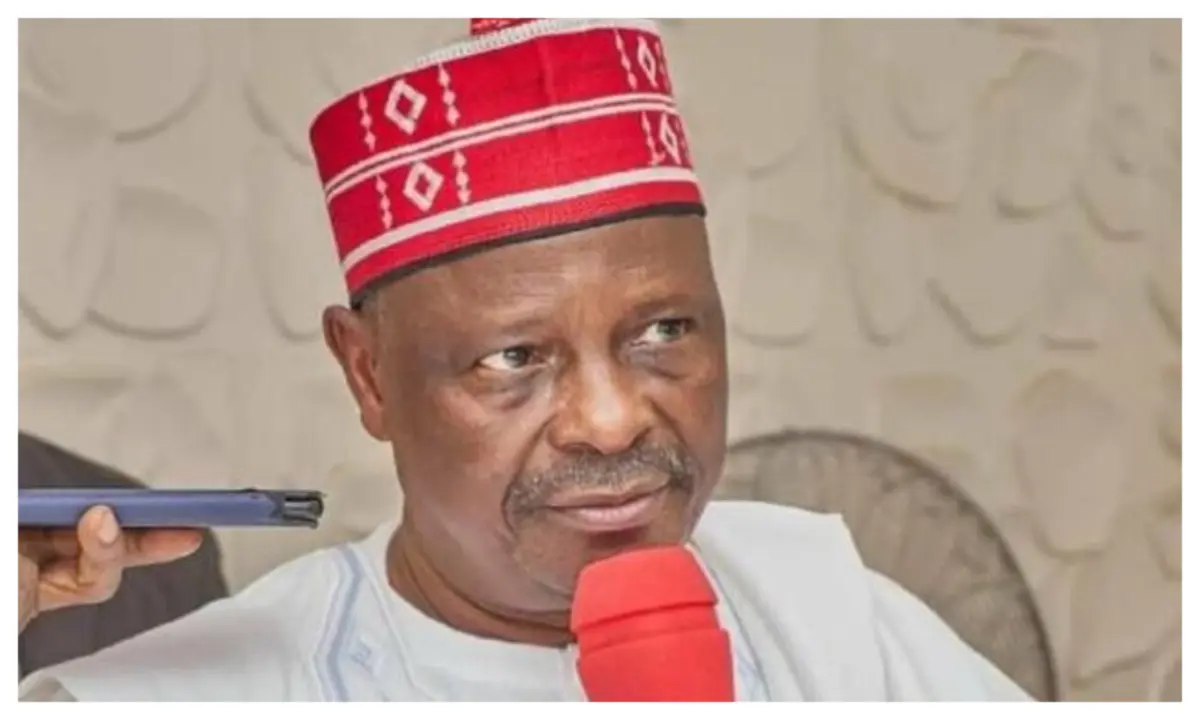
A fierce political battle is brewing in Kano as former allies turn rivals ahead of the 2027 governorship election, splitting the state between Kwankwasiyya loyalists and the APC’s renewed structure.
Kano’s political landscape has been dramatically reshaped following Governor Abba Kabir Yusuf’s defection from the New Nigerian Peoples Party (NNPP) to the All Progressives Congress (APC), setting the stage for what many observers describe as an inevitable and explosive confrontation with his political benefactor, Senator Rabiu Musa Kwankwaso.
The defection, which took place in January, ended months of speculation about the deepening rift between Yusuf and Kwankwaso — the leader of the influential Kwankwasiyya movement and the man widely credited with Yusuf’s rise to power.
For NNPP loyalists, the move symbolises what they call a painful betrayal. For the APC, it represents a strategic realignment that strengthens the party’s dominance in Kano ahead of 2027.
‘Betrayal Day’ and Tears in Kwankwasiyya Camp
Kwankwaso, visibly emotional after the governor’s switch, declared January 23 as a symbolic “Betrayal Day,” saying the moment should be remembered in political history as an example of broken trust.
Speaking to BBC Hausa, the former Kano governor argued that Yusuf’s public endorsement by former governor Abdullahi Ganduje could cost him re-election.
“When I saw Ganduje raising Abba’s hand, I knew automatically that Abba would not win any election. People of Kano don’t support Gandujiyya,” Kwankwaso said.
APC Fires Back: ‘Ganduje’s Hands Are Hands of Victory’
The APC swiftly countered Kwankwaso’s claims. Bala Ibrahim, the party’s Publicity Director in Kano, insisted Ganduje’s political backing has historically translated into electoral success across several states.
“The hands of Ganduje are truly hands of victory. Kano people recognise performance and the Renewed Hope Agenda,” Ibrahim said.
NNPP Leaders Cry Foul, Invoke Political History
Senior NNPP figures described Yusuf’s move as self-serving and warned of electoral consequences.
Buba Galadima, Secretary of the NNPP Board of Trustees, compared the defection to historic betrayals, saying the governor acted out of political survival rather than public interest.
The party’s National Publicity Secretary, Ladipo Johnson, referenced a similar episode in Kano’s political past when former governor Abubakar Rimi defected in the 1980s, only to be rejected at the polls by voters.
“History has shown that Kano voters punish perceived disloyalty,” Johnson said.
Kwankwasiyya vs APC Structure
NNPP’s National Youth Leader, Auwal Musa Muhammad, maintained that the party’s grassroots structure remains loyal to Kwankwaso nationwide, insisting that no individual defection can dismantle decades of political organisation built on ideology and consistency.
Former presidential candidate, Peter Ameh, echoed this, arguing that Yusuf’s political relevance stems largely from the Kwankwasiyya movement and warning that Kano voters are politically conscious and unforgiving.
Kano Government: ‘Victory Will Be Based on Performance’
The Kano State Government dismissed suggestions that Yusuf’s political future depends on Kwankwaso’s endorsement.
Commissioner for Information, Ibrahim Waiya, stated that Kano voters prioritise performance, credibility and governance over political godfatherism.
“Power in Kano rests with the electorate, not political patrons,” Waiya said.
Singer Market Test of Popularity
Both Kwankwaso and Yusuf recently tested their public appeal during separate visits to traders affected by a fire incident at Singer Market.
Crowds turned out for both men, underlining the deep political divide in the state and reinforcing expectations that Kano’s 2027 governorship race may become one of Nigeria’s most watched political contests.
With the NNPP holding onto its Kwankwasiyya base and the APC consolidating state power, Kano appears set for a high-stakes political duel between former allies whose rivalry could define the state’s future.