Now Reading: Rottnest Island: Paradise Built on Pain — Campers Unaware They Sleep Above Unmarked Graves
-
01
Rottnest Island: Paradise Built on Pain — Campers Unaware They Sleep Above Unmarked Graves
Rottnest Island: Paradise Built on Pain — Campers Unaware They Sleep Above Unmarked Graves

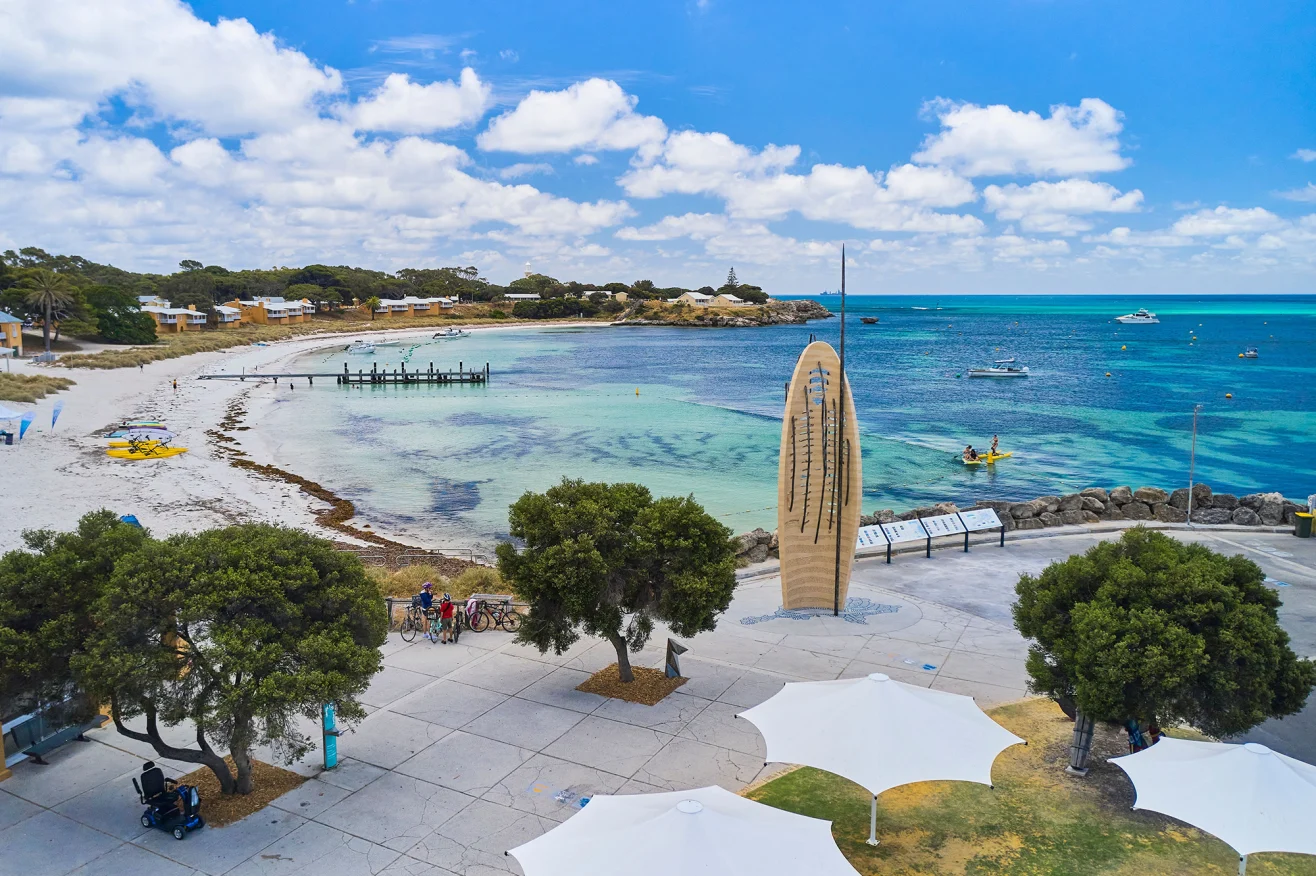
Rottnest Island, or Wadjemup as it is known to the Noongar people, is one of Australia’s most visited tourist destinations, famed for its white sand beaches, crystal-clear waters, and Instagram-famous quokkas. Yet beneath its postcard-perfect surface lies a haunting history few visitors know.
Wadjemup, 19 kilometers off the coast of Fremantle, Western Australia, was a prison for Indigenous boys and men for 93 years, beginning in 1838. During this period, almost 4,000 Aboriginal prisoners were incarcerated, many transported hundreds of kilometers from the Outback under brutal conditions. Of these, 373 died on the island, most buried in unmarked graves.
“These men were charged and sentenced in a system completely foreign to them,” says Glen Stasiuk, lecturer at Murdoch University and director of the 2014 documentary Wadjemup: Black Prison — White Playground. “Some had never even seen the sea before being forcibly taken here. The trauma was unimaginable.”
Prisoners endured grueling labor, constructing the island’s infrastructure, including the jetty, cottages, prison buildings, and governor’s house. Life in the cells was harsh, overcrowded, and plagued by disease, with some suffering under particularly violent superintendents.
Noongar Elder and University of Western Australia emeritus professor Len Collard explains that Wadjemup has always been a spiritual place for his people. “When people die, their spirit travels west to the islands, the place of ghosts,” he says. “It became even more spiritual after colonial rule, when so many Aboriginal people died here.”
Today, Wadjemup is celebrated as a tourist paradise, with visitors cycling its wide roads, snorkeling its coral reefs, and enjoying colonial towns. But most tourists are unaware that beneath their feet lie the unmarked graves of Indigenous men and boys whose lives were stolen by the island’s dark past.
This dual identity — idyllic holiday destination and site of historical trauma — highlights the importance of remembering Wadjemup’s history even as its quokkas charm the world.