Now Reading: Lagos Rent Crisis: Tenants Paying Up to N2.5m for Substandard Housing Amid Soaring Cost of Living
-
01
Lagos Rent Crisis: Tenants Paying Up to N2.5m for Substandard Housing Amid Soaring Cost of Living
Lagos Rent Crisis: Tenants Paying Up to N2.5m for Substandard Housing Amid Soaring Cost of Living

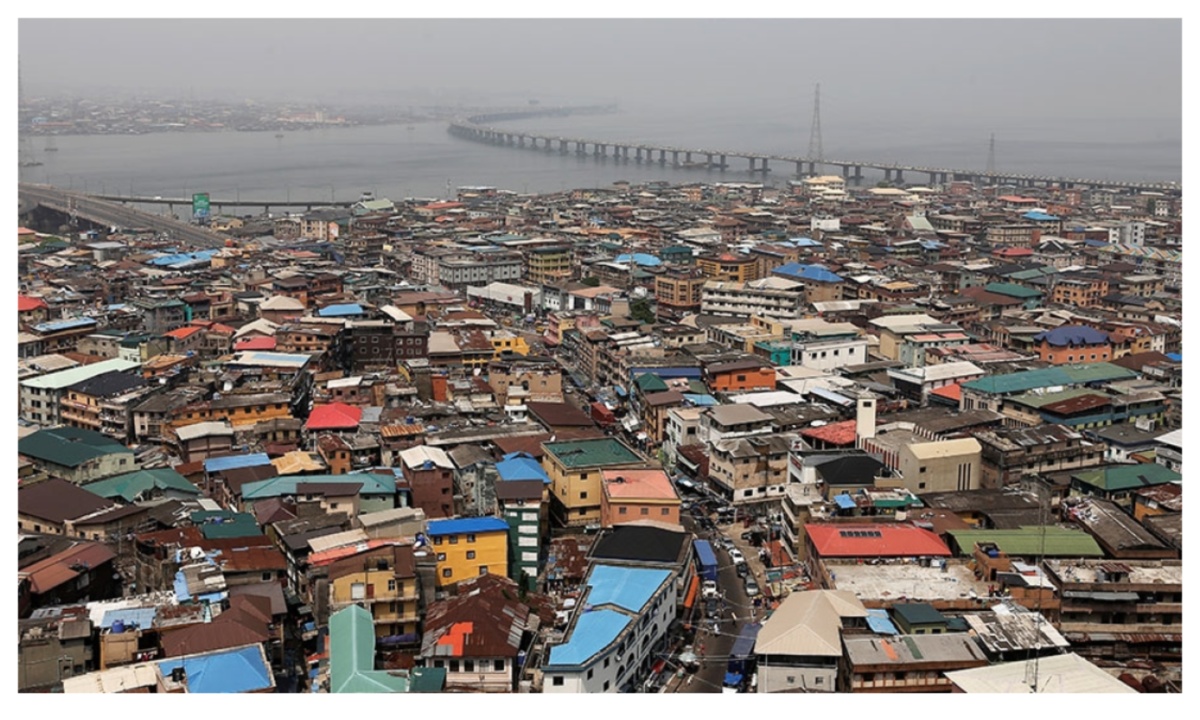
Residents decry exploitative rent hikes as housing costs spiral beyond reach
Lagos residents are raising alarm over a deepening housing crisis that has seen rents skyrocket to unprecedented levels — often without any corresponding improvement in living conditions.
Across Nigeria’s commercial capital, tenants now pay between N1.5 million and N2.5 million annually for single rooms and self-contained apartments, many lacking basic amenities such as potable water, proper sanitation, stable electricity, or waste disposal systems.
The surge in accommodation costs has intensified hardship for low- and middle-income earners already battling inflation, rising transport fares and stagnant wages. For many, securing shelter in Lagos has become a financial gamble marked by uncertainty and exhaustion.
Rent hikes without repairs
From the mainland to expanding suburbs such as Ikorodu and Ajah, tenants report sudden rent increases, arbitrary charges and worsening housing standards.
Mrs Funke Olamide, a trader living in Ikorodu, said the rent she pays no longer reflects “basic human dignity.”
“I pay N900,000 every year for just one room, not even a self-contained apartment, and there is absolutely nothing to justify that amount,” she told DAILY POST.
“There is no running water in this compound. Every morning I must buy water before going to my shop. During the rainy season, the place floods. If you complain, they tell you to pack out.”
Adeyemi, a commercial driver, described the experience as degrading.
“We share one toilet among many tenants and it is often broken. The roof leaks when it rains, but repairs are ‘too expensive.’ Yet every year, they increase the rent.”
Tenants say hikes of 60 to 80 per cent are increasingly common, often announced shortly before tenancy agreements expire. Many claim these increases are imposed without renovations or consultation.
Earnings swallowed by rent
For some workers, housing now consumes nearly their entire income.
Tunde Babalola, a 51-year-old private school teacher earning N120,000 monthly, pays N750,000 annually in rent.
“If you calculate it properly, I work almost the whole year just to pay rent. After transport and feeding, there is nothing left,” he said.
“Sometimes I delay hospital visits because I cannot afford it.”
Single mother Funmilayo Bidemi said rent renewal periods have become a source of anxiety.
“Each time my rent is about to expire, I lose sleep. I start thinking of who to borrow from or what to sell. Even my children feel the pressure because we reduce food or school expenses to meet rent demands.”
Small businesses under pressure
The housing crisis extends beyond residential tenants. Shop owners and small-scale business operators say commercial rents are also surging sharply, threatening livelihoods.
Sola Ibrahim, a tailor in Yaba, said her shop rent jumped from N200,000 to N550,000 without notice.
“Nothing changed in the shop. The only explanation was that ‘things are expensive.’ But we are also affected by the same economy.”
Michael Abiodun, who sells phone accessories, said tenants were given barely two weeks to meet new payment demands.
“If you can’t pay, you are told to leave. There is no protection for tenants.”
What is driving the Lagos rent surge?
Housing analysts attribute the crisis to multiple factors:
- Removal of fuel subsidy, which increased transport and logistics costs
- Rising prices of cement, iron rods, roofing materials and land
- Rapid population growth in Lagos
- Limited affordable housing development
- High demand in key residential corridors
The long-standing practice of demanding one or two years’ rent upfront — despite opposition from the Lagos State Government — continues informally in many areas, worsening financial strain on tenants.
Relocation becomes survival strategy
With housing costs spiralling, many residents are relocating to neighbouring Ogun State, where rents remain comparatively lower.
Blessing Nwankwo, a 25-year-old hairstylist, said she may soon leave Lagos despite her customer base being there.
“What I pay for a single room in Lagos can get me a two-bedroom flat in Ogun State. I love Lagos, but the cost of living is choking.”
Technician Agada Peter has already moved his family out of Lagos and now commutes daily.
“It is stressful, but at least my rent is affordable. Lagos has turned housing into a luxury instead of a basic need.”
Weak enforcement concerns
Although the Lagos State Government has warned against exploitative rent practices and compulsory two-year advance payments, tenants say enforcement remains weak.
As of the time of reporting, government officials had not provided an updated response on rent control measures.
For millions in Lagos, the housing question is no longer about comfort — it is about survival.