Now Reading: Cuba on the Brink: Trump’s Sanctions Deepen Economic and Humanitarian Crisis
-
01
Cuba on the Brink: Trump’s Sanctions Deepen Economic and Humanitarian Crisis
Cuba on the Brink: Trump’s Sanctions Deepen Economic and Humanitarian Crisis

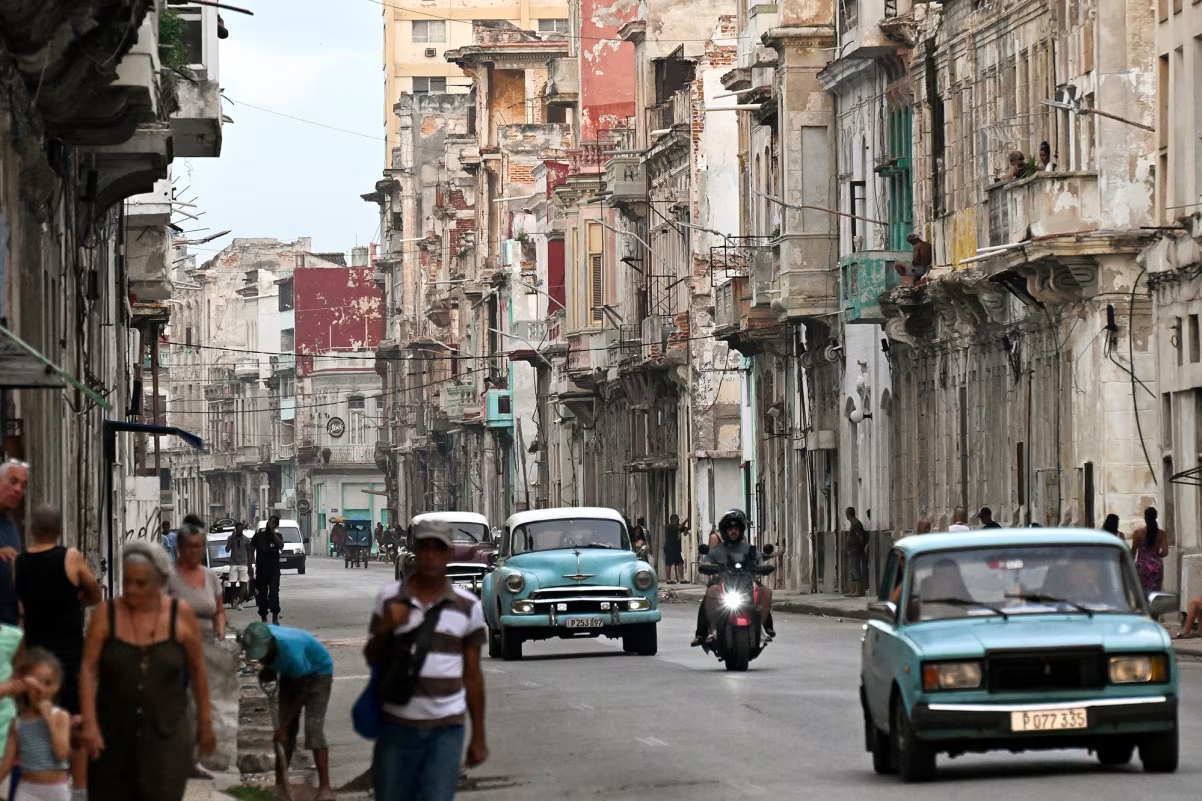
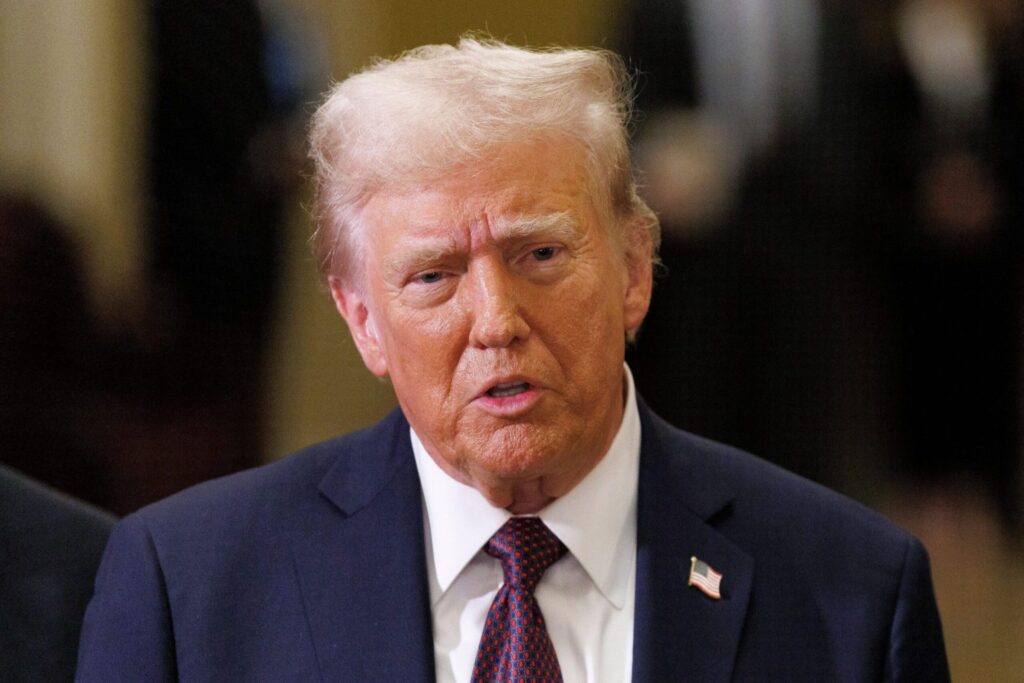
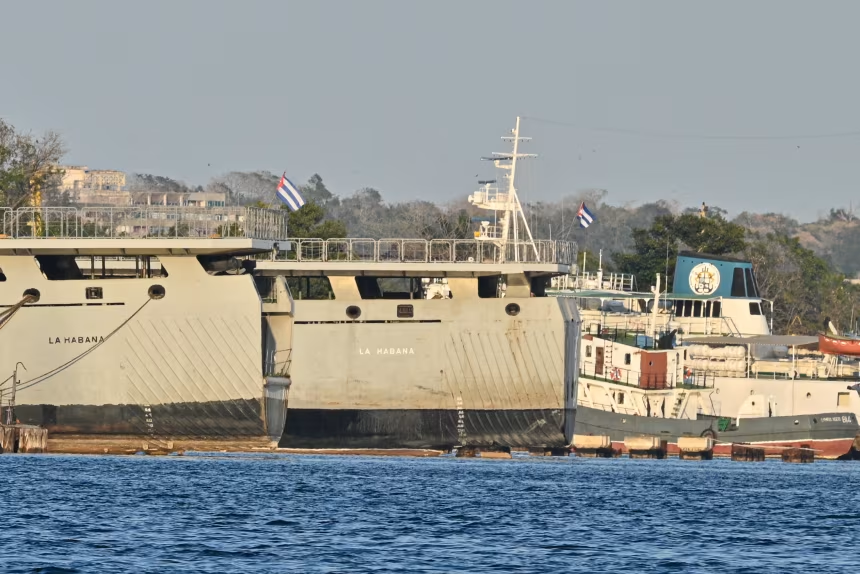
Havana is facing one of its most severe crises in decades as President Donald Trump’s aggressive sanctions tighten the squeeze on Cuba’s struggling economy. Residents describe growing desperation, with widespread shortages of food, fuel, and electricity pushing daily life to the breaking point.
A bicycle-taxi driver in Havana whispered, “We can’t take it anymore. People can’t feed their families… let the Americans come, let Trump come, it’s time to get this over with.” Such statements reflect deep frustration, made even more dangerous in a country where dissent can have serious consequences.
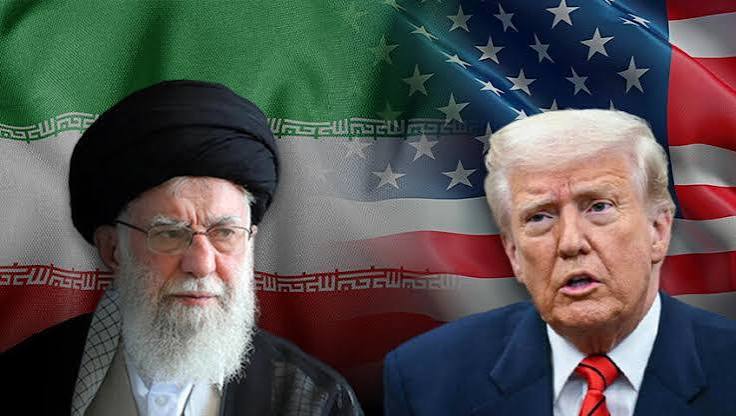
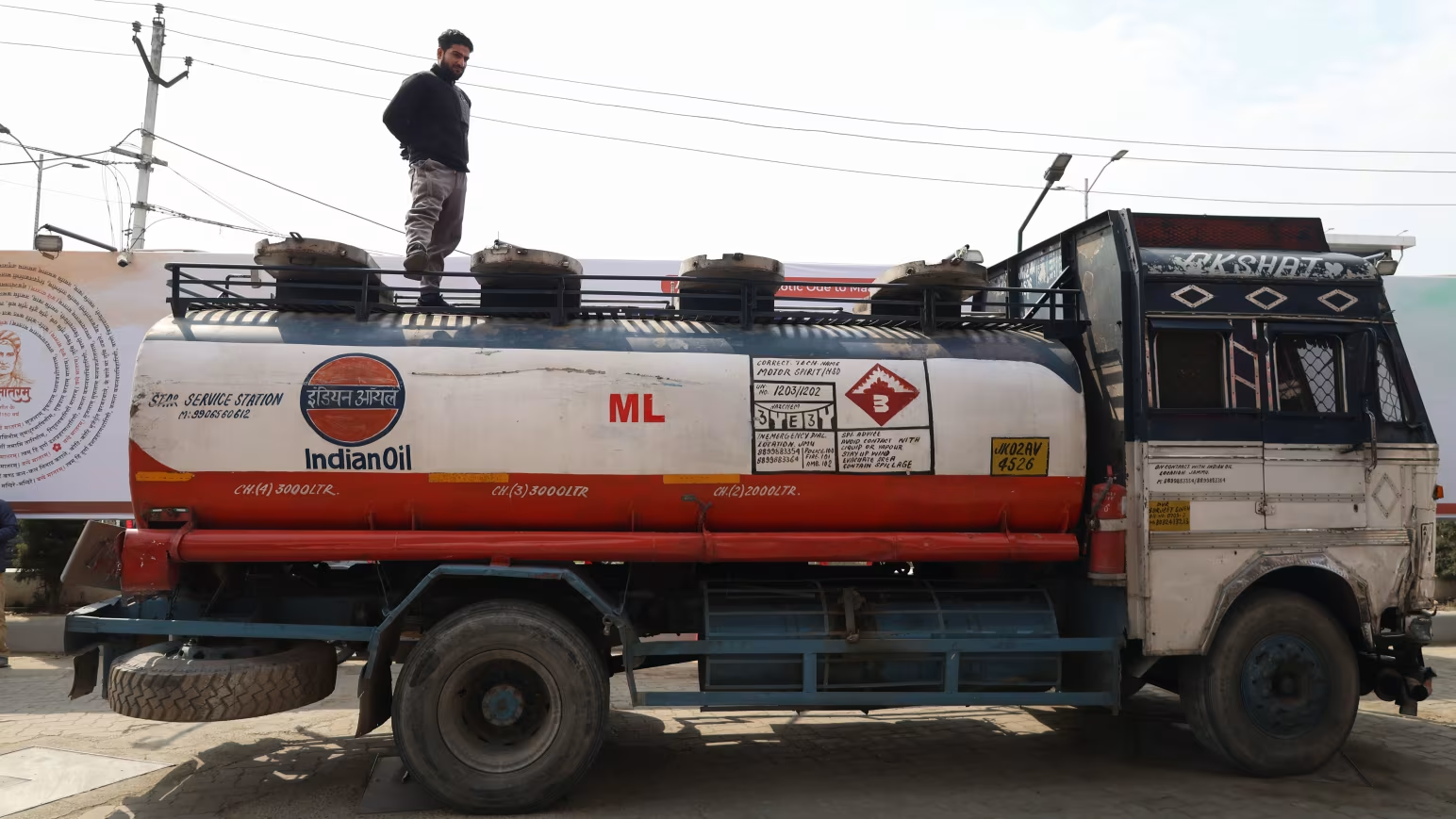
Trump has signalled that Cuba is a target following his controversial interventions in Venezuela and Iran. The recent oil embargo has severely curtailed supplies from Havana’s traditional allies, triggering cascading failures across the economy.
Tourist hotspots stand largely empty, while new government-run hotels remain closed. Blackouts, once lasting hours, now extend for days, forcing residents to cook over open fires on the streets. “We have returned to the Stone Age,” one man remarked during a 36-hour blackout.
Unlike the Cold War-era missile crisis, there is no formal blockade, but the practical effect is similar: Cuba’s economy and public services are faltering under external pressure. For ordinary Cubans, survival has become a daily struggle, highlighting the human cost of geopolitical manoeuvres.
Analysts warn that without a swift resolution, Cuba may face its deepest economic collapse since the fall of the Soviet Union, leaving millions vulnerable to food insecurity, power outages, and social unrest.