Now Reading: US Moves Thaad Missile Defence from South Korea to Middle East Amid Iran Conflict
-
01
US Moves Thaad Missile Defence from South Korea to Middle East Amid Iran Conflict
US Moves Thaad Missile Defence from South Korea to Middle East Amid Iran Conflict

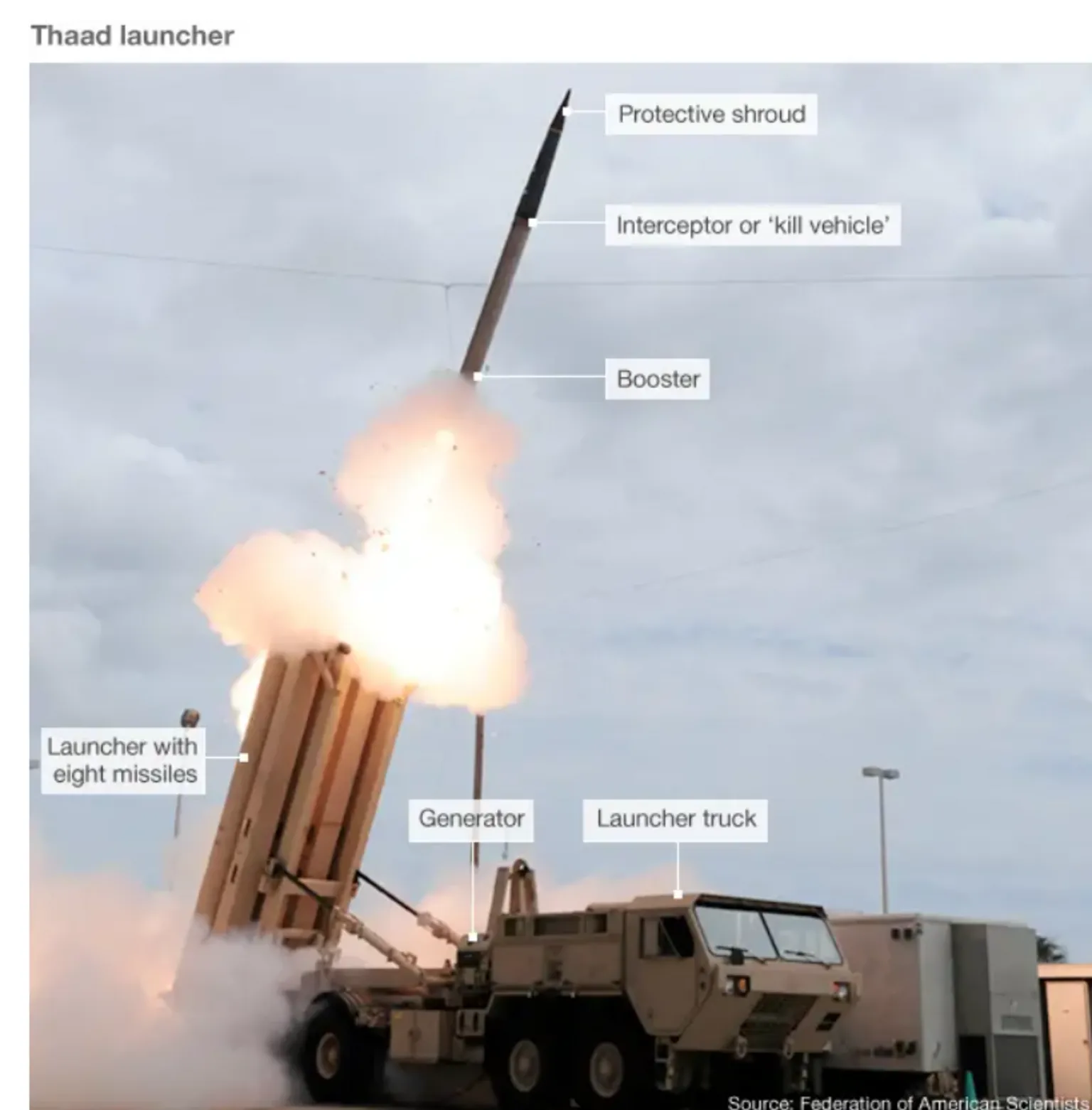
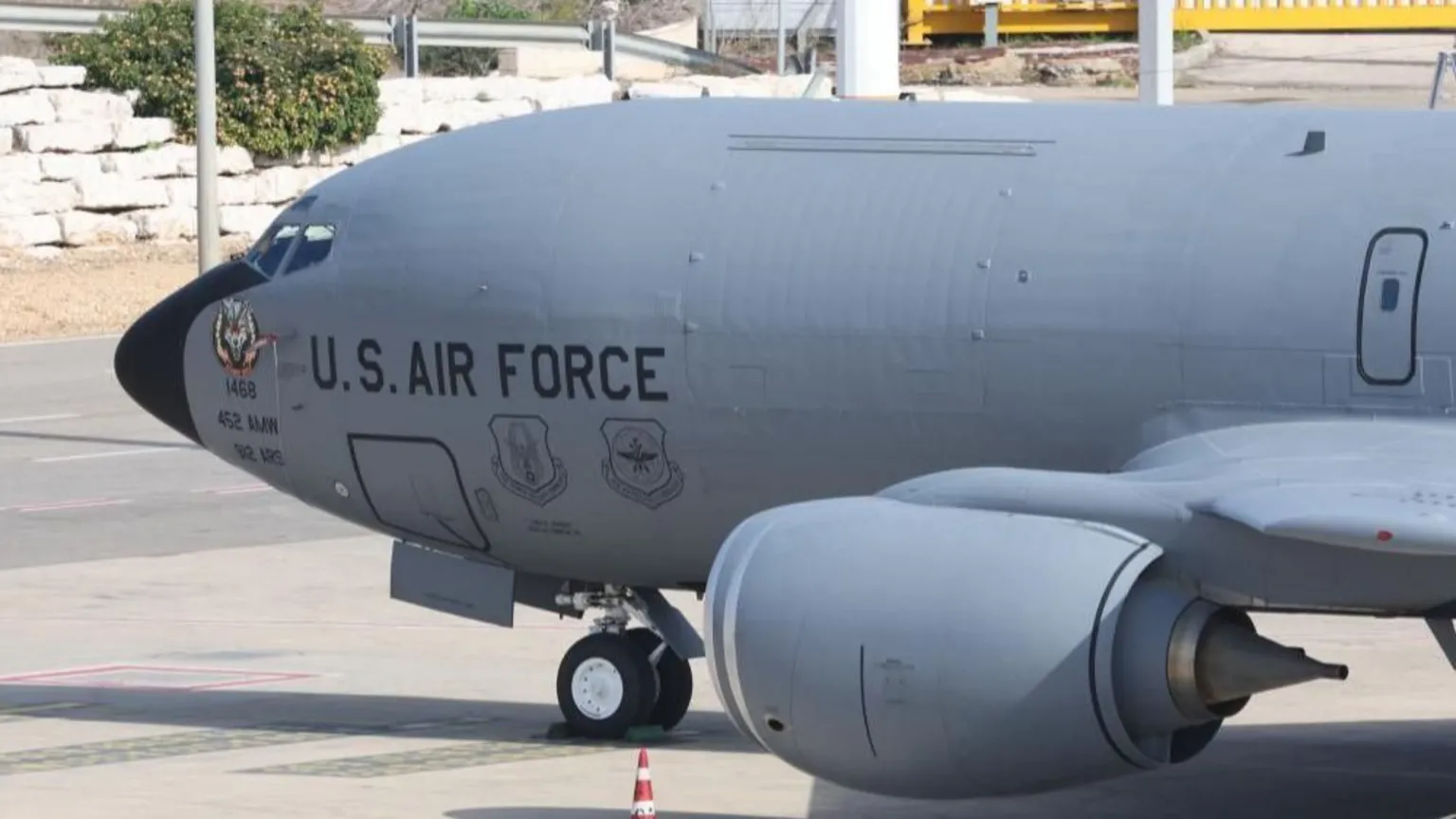
The United States is reportedly redeploying components of its Thaad missile defence system from South Korea to the Middle East, sparking concern in Seoul and across the region. The move comes 12 days into the ongoing US-Israel military campaign against Iran, amid escalating missile attacks and drone strikes.
According to officials cited by the Washington Post and South Korean media, the relocation follows reports that Iran destroyed a key Thaad radar in Jordan, intensifying Washington’s need to bolster missile defences in the region.
What Thaad Does and Why the Move Matters
First deployed to South Korea in 2017 to counter North Korea’s nuclear threats, Thaad (Terminal High-Altitude Area Defense) is designed to intercept short- and medium-range ballistic missiles at high altitudes, even beyond Earth’s atmosphere. Each system, built by Lockheed Martin, costs roughly $1 billion and requires about 100 personnel to operate.
Thaad uses hit-to-kill technology, destroying incoming warheads through kinetic energy. The system’s radar and launchers are critical for intercepting missile threats, making it a key component of US regional defence strategy. The US operates eight Thaad batteries worldwide, including locations in Jordan, Israel, and South Korea, while the UAE and Saudi Arabia possess three more.
The move from South Korea has been described as a precautionary measure by a US official, but analysts note it reflects the strain on the system caused by heavy use in the Middle East. Prof John Nilsson-Wright of Cambridge University said, “The redeployment highlights the US need to compensate for the heavy use of existing missile defence capabilities in the Middle East.”
South Korea Voices Concern
South Korean media report that Thaad launchers are already being transported out of the Seongju airbase, south of Seoul. President Lee Jae-myung acknowledged the government had expressed opposition to the withdrawal but conceded the US decision was difficult to counter.
“It appears there is controversy over US forces in Korea shipping some weapons, including air defence systems, out of the country,” Lee said. “While we have expressed opposition, the reality is that we cannot fully push through our position… I can say with certainty that it would not compromise our deterrence strategy.”
Analysts view this as an unusual public pushback from Seoul, highlighting the tension between South Korea’s security interests and US strategic requirements amid the Middle East conflict.