
Now Reading: Styrofoam Ban: Lagos, Oyo Crackdown Pushes Plastic Trade into Ogun, Raising Health Fears
-
01
Styrofoam Ban: Lagos, Oyo Crackdown Pushes Plastic Trade into Ogun, Raising Health Fears
Styrofoam Ban: Lagos, Oyo Crackdown Pushes Plastic Trade into Ogun, Raising Health Fears

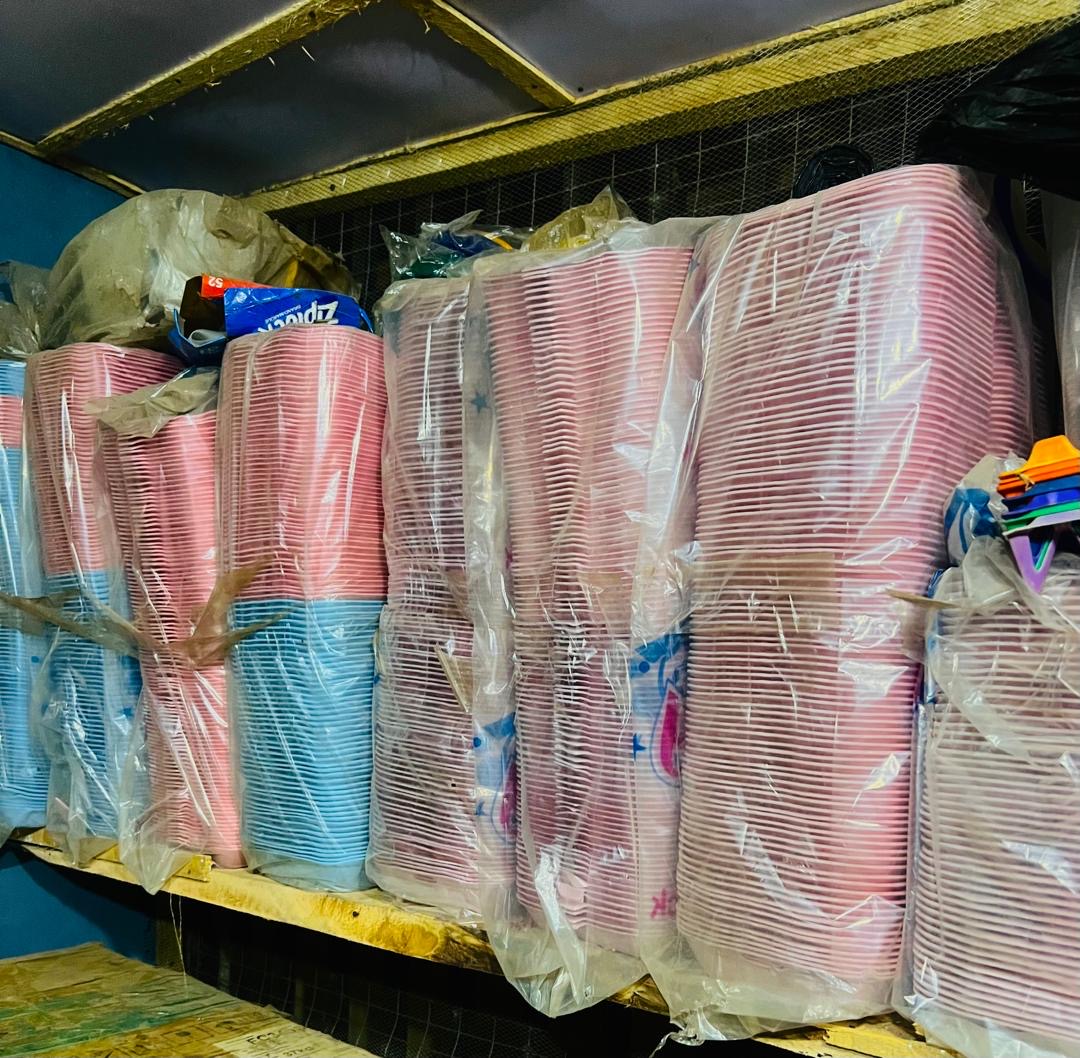
Ogun under pressure as neighbouring states enforce strict single-use plastic bans
A widening crackdown on styrofoam and single-use plastics in parts of Nigeria is triggering fresh concerns in Ogun State, where authorities are yet to impose a ban—leaving the state exposed to an influx of restricted products.
Lagos and Oyo States have taken decisive steps to curb environmental pollution by outlawing styrofoam food packs, a move now reshaping the plastic economy across the South-West.
Lagos led the charge in January 2024 with an immediate ban on disposable styrofoam containers. By July 2025, enforcement intensified, with officials sealing shops and warehouses found stocking the prohibited items.
Oyo followed closely, introducing legislation aimed at eliminating all single-use plastics by 2027. Earlier, Abia State had also restricted styrofoam usage, citing public health concerns.
Why states are banning styrofoam
Environmental authorities warn that styrofoam poses a dual threat—damaging ecosystems and endangering human health.
The Lagos State Environmental Protection Agency (LASEPA) says the material clogs waterways, harms wildlife and can persist in the environment for decades without decomposing.
Scientific studies have also linked its key components—styrene and benzene—to serious health risks. Both substances have been classified as carcinogenic or potentially carcinogenic, with evidence tying them to blood cancers and genetic damage.
Ogun’s dilemma: Recycling over restriction
Despite mounting pressure, Ogun State has opted against an outright ban, instead promoting recycling initiatives such as its “Plastic for Cash” and “Blue Box” programmes.
According to the state government, Nigeria generates over 35 million metric tonnes of waste annually, with Ogun contributing more than 1.6 million metric tonnes. While local recycling firms process about 2,000 metric tonnes of plastic daily, critics argue this is insufficient compared to the scale of the problem.
The policy gap has created a new dynamic—distributors now divert banned products into Ogun, raising fears the state could become a dumping ground.
“Not for Lagos” — products redirected
In Abeokuta, investigations revealed newly manufactured consumer products clearly labelled “NOT FOR LAGOS,” signalling deliberate distribution to states without restrictions.
One such item, a popular children’s juice drink produced in February 2026, was found on sale despite falling under categories banned in Lagos due to its plastic packaging.
For many residents, affordability outweighs safety concerns.
Pelumi, a food vendor patron, admits she continues to use styrofoam packs because they are cheaper.
“If I’m buying food for N1,000, I can’t spend N300 on packaging,” she said. “People don’t avoid it because of health risks—it’s because the food might spill.”
Experts warn of ‘silent health crisis’
Health experts are sounding the alarm over continued exposure to styrofoam, especially when used with hot food.
Professor Dosu Malomo, a polymer chemist at the Federal University Oye-Ekiti, warns that heating styrofoam can release toxic fumes that seep into food.
“The chemicals involved are extremely hazardous. Prolonged exposure—even over a few months—can trigger serious health consequences,” he said.
He added that safer alternatives such as polypropylene containers exist, though they are not biodegradable.
Beyond health risks, the environmental impact remains severe. Unlike organic packaging like leaves, which decompose within months, styrofoam can linger in the environment for up to 40 years.
Government pushes back on health concerns
Ogun State authorities, however, insist the risks are overstated.
Commissioner for Environment, Ola Oresanya, maintains that styrofoam is safe under normal conditions and only becomes harmful when exposed to extreme heat.
“For now, there is no ban. People are free to use styrofoam,” he said. “We are focused on waste management, not prohibition.”
He explained that toxic emissions such as dioxins occur only at very high temperatures, far above typical food heat levels.
Calls for nationwide action
Experts argue that the current state-by-state approach leaves dangerous loopholes.
Manufacturers, they say, are exploiting regulatory gaps by redirecting products to regions without bans—undermining public health efforts.
There are growing calls for federal intervention to standardise regulations and prevent uneven enforcement across the country.
Until then, Ogun remains at the centre of Nigeria’s plastic debate—caught between economic practicality, environmental responsibility, and rising health concerns.