Now Reading: INEC HQ Locked Down as ADC Crisis Sparks ‘Occupy INEC’ Protest Threat in Abuja
-
01
INEC HQ Locked Down as ADC Crisis Sparks ‘Occupy INEC’ Protest Threat in Abuja
INEC HQ Locked Down as ADC Crisis Sparks ‘Occupy INEC’ Protest Threat in Abuja


Security clampdown follows electoral body’s decision to de-list party leadership amid court battle
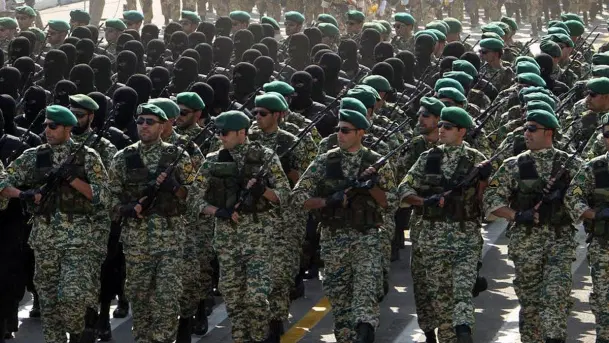
Tension gripped Abuja on Thursday as heavily armed security operatives took over the headquarters of the Independent National Electoral Commission (INEC), following a controversial decision that has deepened the leadership crisis within the African Democratic Congress (ADC).
Major roads leading to the commission’s office in Maitama were barricaded, while personnel of the Nigeria Police Force and the Department of State Services (DSS) maintained a visible presence around the area.
The heightened security comes amid plans by aggrieved party members and supporters, including those aligned with the Obidient Movement, to stage a protest tagged “Occupy INEC.” The demonstration follows outrage over INEC’s decision to remove key ADC officials from its official records.
ADC leadership wiped off INEC portal
At the centre of the controversy is INEC’s move to strike out the names of David Mark and Rauf Aregbesola as the party’s National Chairman and National Secretary, respectively.
The commission also refused to recognise Nafiu Bala Gombe, who is pushing to be declared national chairman through legal means.
In a statement issued Wednesday, INEC said it would suspend recognition of all factions within the ADC, effectively freezing the party’s internal activities.
Court battle deepens uncertainty
INEC further announced it would not monitor any congresses or conventions organised by rival factions until a final ruling is delivered by the Federal High Court.
The decision has intensified internal divisions within the ADC, with multiple camps laying claim to the party’s leadership.
Protest builds momentum
Sources indicate that more than 2,000 Nigerians had already gathered near the INEC headquarters shortly after the announcement, expressing anger over what they described as interference in party affairs.
With Thursday’s planned protest looming, authorities appear determined to prevent any breakdown of law and order, hence the sweeping security deployment across the Maitama district.
Political observers warn the situation could escalate if tensions are not quickly managed, especially as the ADC remains a key player in Nigeria’s evolving opposition landscape.