Now Reading: Trump Threatens “Complete Demolition” of Iran as Tehran Defies Strait of Hormuz Deadline
-
01
Trump Threatens “Complete Demolition” of Iran as Tehran Defies Strait of Hormuz Deadline
Trump Threatens “Complete Demolition” of Iran as Tehran Defies Strait of Hormuz Deadline

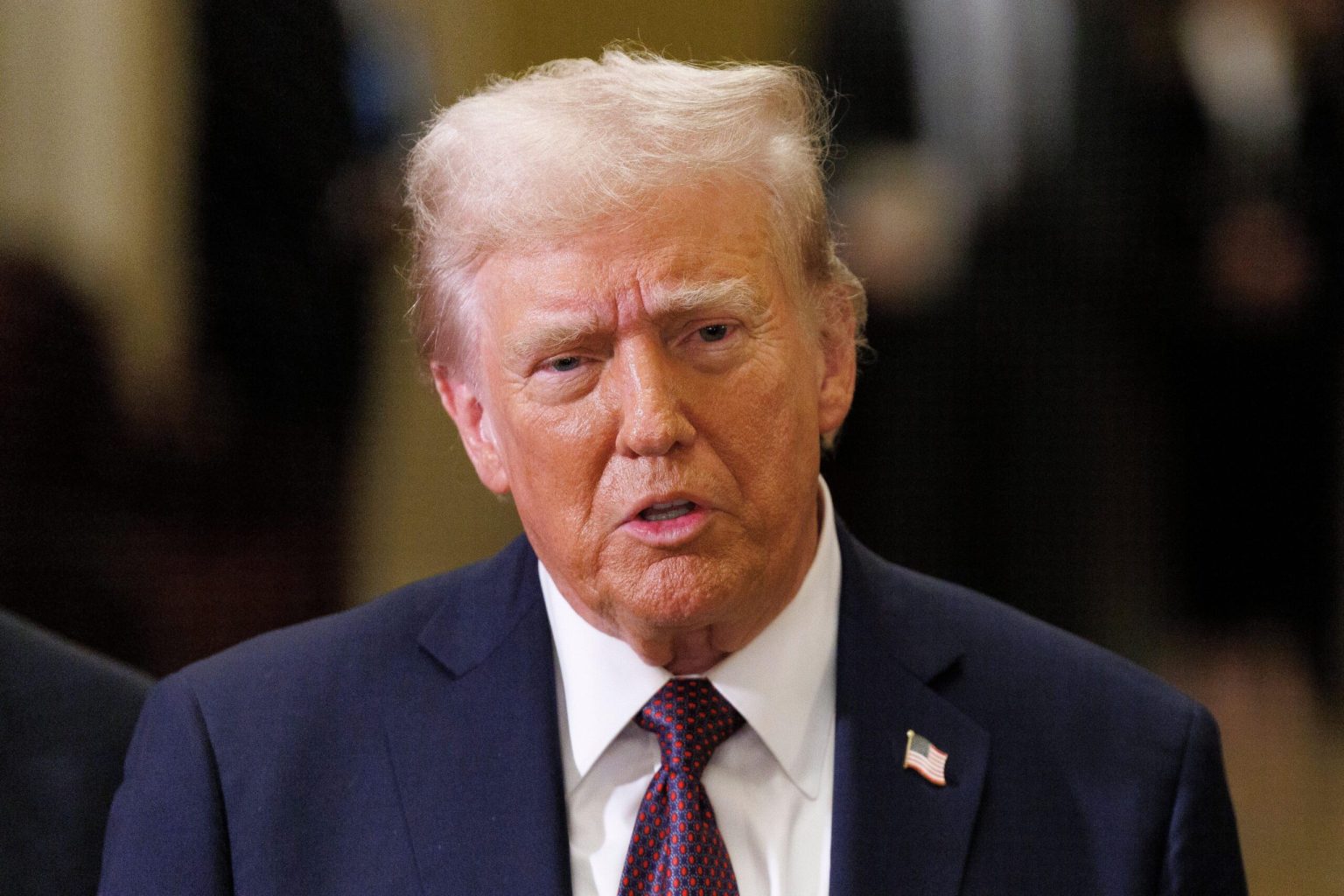
Tensions between Washington and Tehran have surged to a dangerous new peak, with Iran refusing to reopen the Strait of Hormuz ahead of a US-imposed deadline, despite stark warnings from President Donald Trump of sweeping military action.
The standoff over the vital oil corridor — a route that carries roughly a fifth of the world’s crude — has intensified global anxiety, as Iran signalled it would not yield under pressure. Military officials in Tehran dismissed Trump’s threats as “arrogant rhetoric,” insisting operations against US and Israeli forces would continue unabated.
Trump, escalating his language, warned that failure to restore free passage through the strait by midnight GMT Tuesday would trigger what he described as the “complete demolition” of Iran’s infrastructure. Speaking at a press briefing, he claimed the United States had the capability to destroy bridges, power plants, and critical systems across Iran within hours.
The Iranian army’s Khatam Al-Anbiya central command fired back, calling the US president “delusional” and vowing to press ahead with what it described as “crushing operations” against American and Israeli targets. The exchange of threats comes more than five weeks into a widening regional conflict.
Overnight, fighting intensified across multiple fronts. Israeli forces confirmed a fresh wave of air strikes targeting what they described as Iranian military infrastructure in Tehran and surrounding areas. Iranian media reported explosions in the العاصمة and nearby Karaj, while Israel said its air defence systems were intercepting incoming missiles launched from Iran.
The conflict is now spilling across the Gulf. Bahrain activated air-raid sirens and urged residents to seek shelter, while the United Arab Emirates said its defence systems were engaging missiles and drones. Saudi Arabia reported intercepting seven ballistic missiles aimed at its eastern region, with debris landing near energy facilities — raising fears of a broader regional escalation.
Efforts to broker a ceasefire appear to be faltering. A proposed 45-day truce, reportedly backed by mediators including Pakistan, Egypt, and Turkey, has been rejected by both sides. Tehran is said to be demanding firm guarantees against future attacks, along with an end to Israeli strikes on Hezbollah positions in southern Lebanon.
Diplomatic manoeuvring is now shifting to the United Nations, where the Security Council is expected to vote on a toned-down resolution addressing the crisis. Earlier proposals that could have authorised force to reopen the Strait of Hormuz were softened after resistance from key veto powers.
Iran’s blockade of the waterway since late February has already sent oil and gas prices soaring, amplifying global economic concerns. Meanwhile, Tehran has warned that US threats risk “normalising war crimes,” even as its Revolutionary Guards confirmed the killing of a senior intelligence chief in recent strikes and pledged a significant retaliation.