Now Reading: Global Stocks Rally on US-Iran Ceasefire Hopes as Oil Prices Surge Near $100
-
01
Global Stocks Rally on US-Iran Ceasefire Hopes as Oil Prices Surge Near $100
Global Stocks Rally on US-Iran Ceasefire Hopes as Oil Prices Surge Near $100

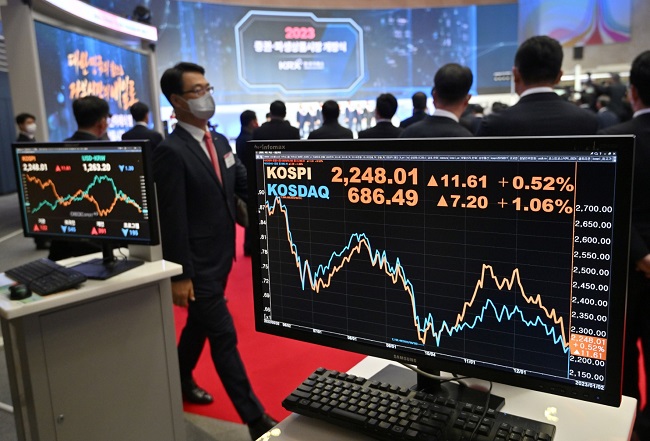
Global stock markets climbed on Friday as investors bet on a fragile ceasefire between the United States and Iran, even as rising oil prices signalled lingering fears about stability in the Middle East.
Equities across Asia posted gains, extending a broader market rebound triggered by the announcement of a two-week truce earlier in the week. The agreement, which includes plans to reopen the Strait of Hormuz, had initially sparked strong optimism among investors after weeks of market volatility.
However, cracks have already begun to appear in the ceasefire framework. Disputes over its terms and continued military activity in the region have raised doubts about how long the fragile peace can hold. Iran has accused Israel of violating the agreement through ongoing strikes in Lebanon, a claim denied by both Israel and the United States.
Despite the uncertainty, markets in Tokyo, Hong Kong, Shanghai, and other major Asian financial centres closed higher. European markets showed a more cautious response, with London largely flat while Paris and Frankfurt edged up slightly. The gains followed a solid performance on Wall Street, where stocks continued to recover from earlier losses linked to the conflict.
Oil prices, meanwhile, moved in the opposite direction, climbing toward the $100 per barrel mark. West Texas Intermediate briefly crossed that threshold before settling slightly lower, reflecting concerns that disruptions to supply could persist despite diplomatic efforts. The Strait of Hormuz, a critical route for about 20 percent of global oil and gas shipments, remains a focal point for traders.
Former US President Donald Trump added to market tensions by warning Iran against imposing tolls on vessels passing through the strait. He insisted that oil would continue to flow regardless of Tehran’s position, signalling a hardline stance ahead of upcoming negotiations.
Attention is now turning to planned talks between US and Iranian delegations in Pakistan, as well as separate discussions involving Israel and Lebanon in Washington. Analysts say any progress on these fronts could significantly improve the outlook for global markets and energy supply chains.
Still, experts caution against excessive optimism. Analysts note that key differences remain between both sides, and even if the Strait of Hormuz fully reopens, it could take weeks or months for global supply chains to stabilise. Rising energy costs are already feeding into inflation, with recent data from China showing factory prices increasing for the first time in more than three years.
The International Monetary Fund has also warned of the conflict’s lasting economic impact, signalling plans to downgrade global growth forecasts due to rising energy prices, supply disruptions, and weakened investor confidence.