Now Reading: US Begins Iranian Port Blockade After Talks Collapse as Trump Warns Over Strait of Hormuz
-
01
US Begins Iranian Port Blockade After Talks Collapse as Trump Warns Over Strait of Hormuz
US Begins Iranian Port Blockade After Talks Collapse as Trump Warns Over Strait of Hormuz

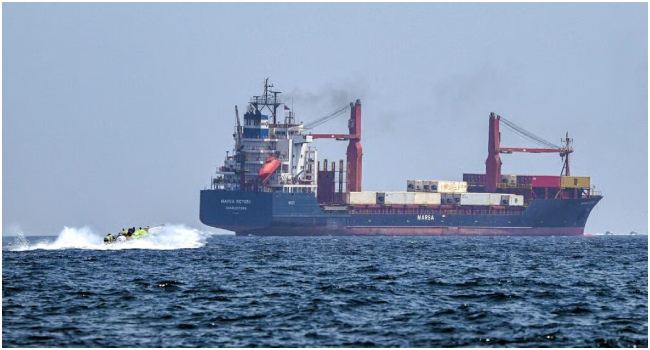
Tensions in the Middle East have sharply escalated after the United States announced a military blockade of Iranian ports, following the collapse of high-stakes negotiations aimed at ending weeks of conflict.
The US military confirmed it would begin enforcing the blockade on Monday, targeting vessels entering or leaving Iranian ports. The move comes after talks between Washington and Tehran in Islamabad broke down, with Donald Trump accusing Iran of refusing to abandon its nuclear ambitions.
Earlier, Trump had threatened a far more sweeping action, suggesting all traffic through the Strait of Hormuz would be blocked. However, US Central Command later clarified that ships transiting the strait to non-Iranian ports would not be affected, signalling a more limited operation than initially indicated.
The failed negotiations — the most significant direct engagement between the two countries in decades — had raised hopes of ending a conflict that has killed thousands and shaken global markets since late February. Talks were mediated by Pakistan, which has urged both sides to maintain a fragile two-week ceasefire despite rising tensions.
Washington said the blockade would be enforced “impartially” against all vessels linked to Iranian ports, including those along the Arabian Gulf and Gulf of Oman. The US Navy is also expected to continue mine-clearing operations in the region, though Tehran has denied the presence of mines.
Iran has responded with defiance. Officials warned that any attempt to challenge its control in the strategic waterway could trigger serious consequences. The country’s parliament speaker, Mohammad Bagher Ghalibaf, said Tehran would not yield to pressure, while naval commanders dismissed the blockade threat as unrealistic.
The rhetoric from Washington has also intensified. In a post on Truth Social, Trump said the goal was to reopen the strait for global shipping but insisted Iran must not benefit from controlling the route. He warned that any attack on US forces or commercial vessels would be met with overwhelming force.
Global markets reacted swiftly. Oil prices surged by around eight percent, with both Brent crude and US West Texas Intermediate climbing above $100 per barrel, reversing last week’s dip following the temporary ceasefire.
Iranian officials blamed the breakdown in talks on what they described as shifting demands from the US. Foreign ministry representatives said negotiations had been close to a breakthrough before being derailed by new conditions, including the proposed blockade.
The situation remains volatile, with analysts warning that the blockade could effectively mark a return to open conflict. Ongoing violence involving Iran-backed Hezbollah in Lebanon and continued Israeli military actions have further complicated efforts to stabilise the region.