Now Reading: $25bn Nigeria–Morocco Gas Pipeline Deal Set for 2026 Signing, First Gas Targeted for 2031
-
01
$25bn Nigeria–Morocco Gas Pipeline Deal Set for 2026 Signing, First Gas Targeted for 2031
$25bn Nigeria–Morocco Gas Pipeline Deal Set for 2026 Signing, First Gas Targeted for 2031

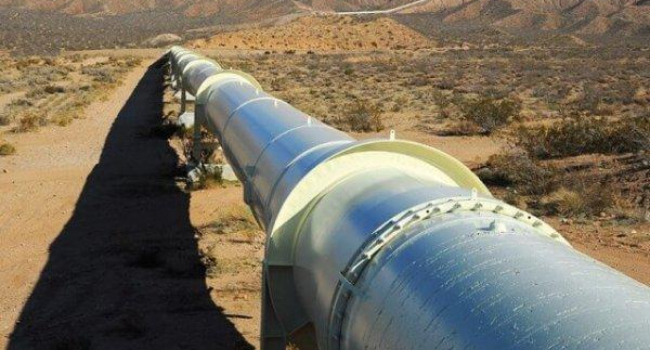
A long-anticipated energy megaproject linking West Africa to Europe is moving closer to reality, with officials confirming that the intergovernmental agreement for the $25 billion Nigeria–Morocco gas pipeline is expected to be signed later this year.
The project, known as the African Atlantic Gas Pipeline, has been in development for over a decade and is designed to transform regional energy supply while strengthening economic ties across West Africa.
Stretching approximately 6,900 kilometres, the pipeline will follow a hybrid offshore and onshore route, with a planned capacity of 30 billion cubic metres of gas annually. Around half of that volume is expected to supply Morocco, while the remainder could support exports to Europe.
Amina Benkhadra, head of Morocco’s hydrocarbons and mining agency (ONHYM), said the agreement will mark a major milestone, paving the way for coordinated political and regulatory oversight among participating countries.
Once signed, a joint authority will be established in Nigeria, bringing together ministerial representatives from the 13 countries involved in the project to oversee implementation and governance.
Technical groundwork has already been completed, including feasibility studies and front-end engineering design, positioning the project to move into its execution phase.
A project company is also set to be established in Morocco as a joint venture between ONHYM and the Nigerian National Petroleum Company (NNPC), which will be responsible for financing, construction, and overall delivery.
The pipeline is expected to play a strategic role in boosting electricity generation, supporting industrial growth, and enhancing regional integration across West Africa.
Initial phases will connect Morocco to gas reserves in Mauritania and Senegal, while additional segments will link Ghana to Côte d’Ivoire before extending to Nigeria’s vast gas fields.
Officials say the phased structure allows each segment to be developed independently, enabling earlier returns on investment and reducing the risks associated with a single large-scale rollout.
First gas deliveries from the initial sections are projected for 2031, although financing arrangements are still being finalised.
Benkhadra noted that while no final funding commitments have been secured, the project is attracting strong international interest due to its scale and strategic importance as an energy corridor between Africa and Europe.
Backed by the Economic Community of West African States (ECOWAS), the pipeline is widely seen as a transformative infrastructure project that could reshape energy markets across the region.