Now Reading: Tinubu Signs 2026 Budget of N68.32 Trillion, Extends 2025 Spending Deadline to June
-
01
Tinubu Signs 2026 Budget of N68.32 Trillion, Extends 2025 Spending Deadline to June
Tinubu Signs 2026 Budget of N68.32 Trillion, Extends 2025 Spending Deadline to June

ARTICLE
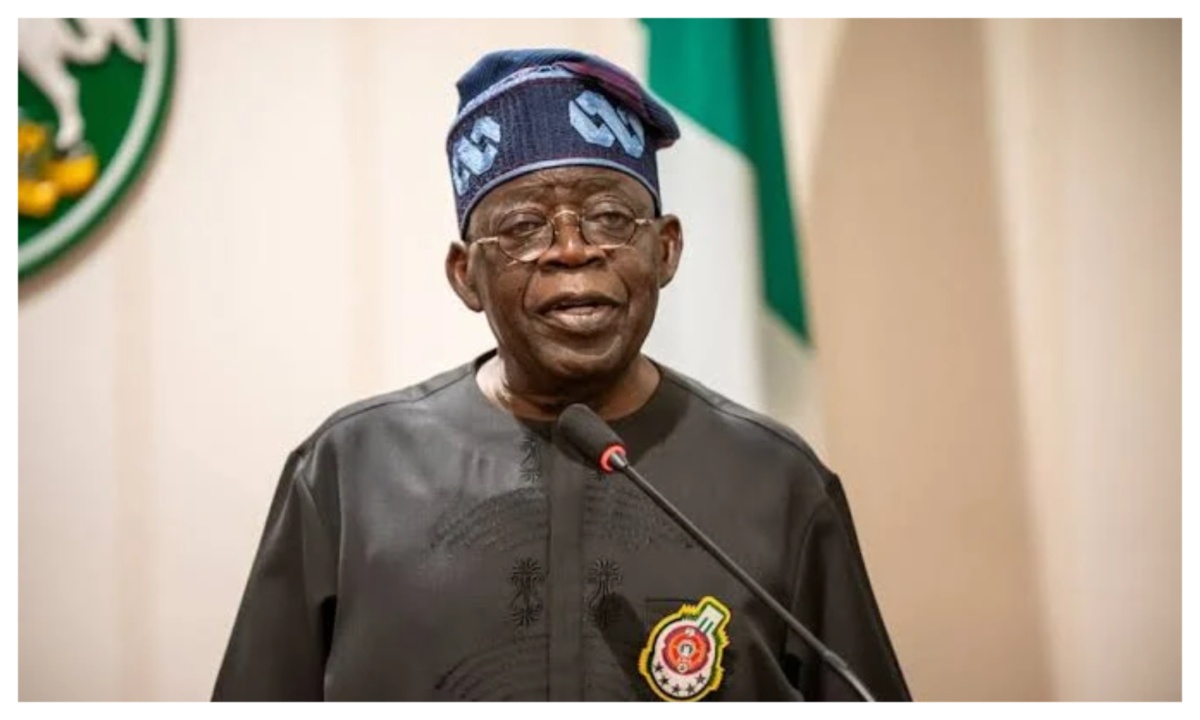
President Bola Ahmed Tinubu has officially signed into law the 2026 Appropriation Bill, approving a record-breaking N68.32 trillion national budget aimed at driving infrastructure growth, debt management, and economic reforms across Nigeria.
The signing, carried out in Abuja, also includes an extension of the 2025 budget implementation deadline from March 31, 2026, to June 30, 2026, giving ministries and agencies additional time to complete ongoing capital projects.
The development was confirmed in a statement issued by the President’s Senior Special Assistant on Information and Strategy, Bayo Onanuga.
A major share of the 2026 fiscal plan is allocated to key government obligations, including N4.799 trillion for statutory transfers and N15.8 trillion for debt servicing, reflecting Nigeria’s continued struggle with rising debt commitments.
The budget further sets aside N15.4 trillion for recurrent expenditure, while the largest portion—N32.2 trillion—is dedicated to capital projects under the Development Fund, signalling a strong focus on infrastructure and long-term economic expansion.
Government officials say the structure of the budget reflects an effort to balance fiscal responsibility with development needs, especially in critical sectors such as security, transportation, and social services.
With capital spending accounting for about half of total expenditure, the administration says the plan is designed to boost productivity, improve public services, and support inclusive growth across the country.
The extension of the 2025 budget timeline is expected to help federal ministries, departments, and agencies complete key projects that are already in advanced stages, reducing the risk of abandoned or underfunded infrastructure.
Tinubu directed all government agencies to ensure strict accountability in the use of public funds, stressing efficiency, transparency, and value for money in project execution.
He also commended the National Assembly for its swift approval of the budget, describing the collaboration between the executive and legislature as essential for national development.
The President reaffirmed his administration’s commitment to fiscal reforms, improved revenue generation, and targeted investments aimed at job creation and economic stability under the Renewed Hope Agenda.