
Now Reading: Nigerian Singer Madi in Explosive Label Dispute as “Pepper Me” Is Pulled From Streaming Platforms
-
01
Nigerian Singer Madi in Explosive Label Dispute as “Pepper Me” Is Pulled From Streaming Platforms
Nigerian Singer Madi in Explosive Label Dispute as “Pepper Me” Is Pulled From Streaming Platforms

ARTICLE
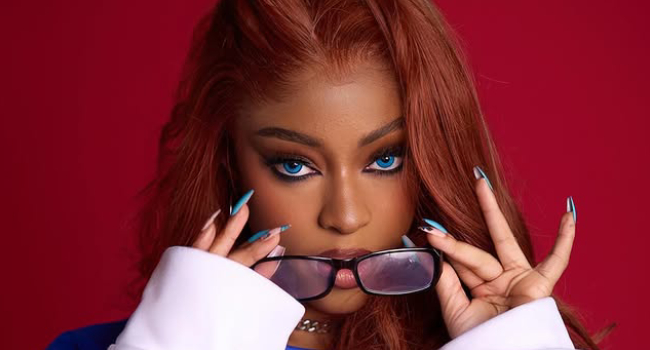
A fast-growing dispute in Nigeria’s music industry has spilled from contracts and courtrooms into social media, with singer Madi accusing her former record label of targeting her career after a legal fallout.
The controversy reportedly began after Madi exited the administrative structure of Jton Music, a move she says triggered a $1 million (about ₦1.4 billion) lawsuit for alleged breach of contract. While she maintains she won the case, the dispute has continued to escalate outside the courtroom.
Tensions intensified this week when her recent collaboration, “Pepper Me” featuring Zinoleesky, was removed from major streaming platforms, including Spotify. The sudden takedown immediately raised questions among fans and industry observers.
In a series of posts shared on Tuesday, 21 April 2026, Madi directly accused her former label of retaliatory action, suggesting the removal was intentional. She linked the situation to her earlier legal battle, claiming the label was attempting to punish her for pursuing independence.
She also expressed frustration over the ongoing conflict, insisting she has remained focused on her music despite repeated setbacks. In her words, she described herself as a 19-year-old artist simply trying to continue her career without interference.
The dispute has revived familiar conversations in Nigeria’s entertainment industry, where young artists often clash with record labels over contracts, ownership rights, and creative control. Similar cases have shaped public debate in recent years.
Industry watchers have drawn comparisons with past controversies involving artists such as Kizz Daniel, who famously battled G-Worldwide Entertainment, and others whose exits from record labels led to prolonged legal and branding struggles.
The case also echoes wider industry tensions that have previously surrounded acts like Mohbad, whose exit from Marlian Music sparked national conversations about artist welfare and label control.
As of now, Jton Music has not issued any public response to the allegations, the claimed lawsuit outcome, or the removal of “Pepper Me” from digital platforms.
With the track still unavailable across several streaming services, the dispute highlights a recurring fault line in the industry: the imbalance of power between emerging artists and the corporate structures behind their rise.