Now Reading: Otti’s Quiet Power Play Reshapes Labour Party Ahead of 2027, Says Political Analyst
-
01
Otti’s Quiet Power Play Reshapes Labour Party Ahead of 2027, Says Political Analyst
Otti’s Quiet Power Play Reshapes Labour Party Ahead of 2027, Says Political Analyst


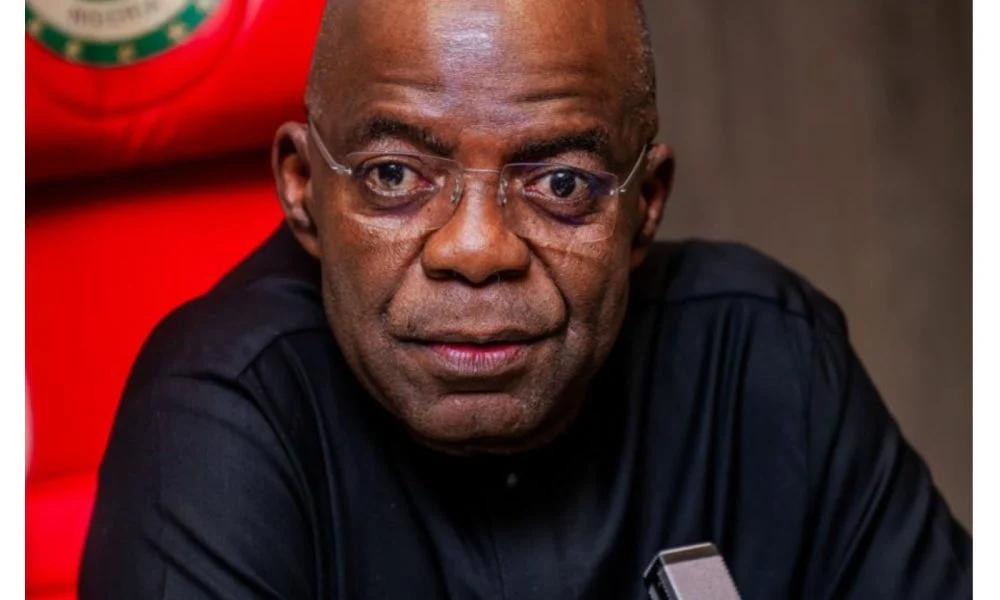
The internal reset currently unfolding within the Labour Party is being driven by calculated leadership decisions, with Abia State Governor Alex Otti emerging as a central figure in what observers describe as a structured political recovery.
What appears to be a swift revival of the party is, according to analysts, the result of deliberate interventions aimed at restoring stability, legitimacy and organisational direction after months of internal conflict.
At the height of leadership disputes that threatened to weaken the party’s structure, Otti stepped in to help consolidate stakeholder alignment and prevent further fragmentation within the movement.
His intervention is being described as strategic rather than reactive, focusing on rebuilding trust among factions and reinforcing lawful processes within the party hierarchy.
That internal realignment received a major boost following a Court of Appeal ruling delivered on April 21, 2026, which affirmed Senator Nenadi Usman as the recognised Interim National Chairman of the Labour Party, strengthening the emerging leadership structure.
The judgment also dismissed competing claims, a development seen as reinforcing efforts by key stakeholders to restore order and legitimacy within the party’s national framework.
At the state level, Abia State has become a focal point of renewed party activity, particularly after the successful Labour Party congress held in Umuahia on April 25, 2026.
The congress produced a new State Working Committee led by Hon. Peter Azubuike, in a process described as peaceful and largely consensus-driven, signalling improved internal cohesion.
Azubuike’s emergence is viewed as part of a broader generational shift within the party, with emphasis on grassroots mobilisation and organisational restructuring ahead of future elections.
Otti, who addressed the congress, reaffirmed his commitment to supporting the new leadership structure while urging unity and continuity among party members.
He also commended outgoing officials for their role in sustaining the party through turbulent periods, reinforcing a message of institutional stability rather than political exclusion.
Preparations are also underway for the Labour Party’s elective national convention scheduled for April 28, 2026, in Umuahia, with organisers implementing strict accreditation procedures to ensure transparency and compliance with party rules.
Political observers say the level of organisation now being demonstrated reflects a broader attempt to rebuild credibility and reposition the Labour Party as a competitive force ahead of the 2027 general elections.