
Now Reading: Nigerian Airlines on Edge as Jet Fuel Prices Jump 350% — Operators Threaten Flight Cuts Over Cost Crisis
-
01
Nigerian Airlines on Edge as Jet Fuel Prices Jump 350% — Operators Threaten Flight Cuts Over Cost Crisis
Nigerian Airlines on Edge as Jet Fuel Prices Jump 350% — Operators Threaten Flight Cuts Over Cost Crisis

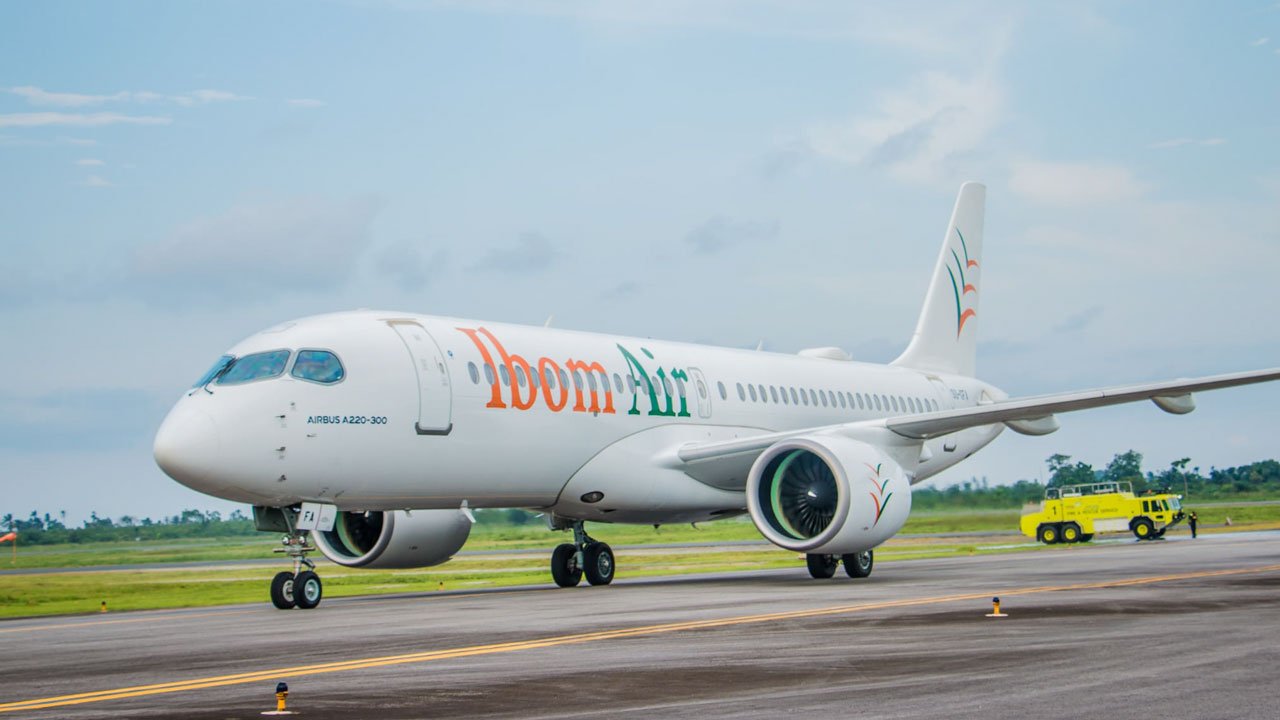
Nigeria’s aviation sector is facing renewed turbulence as airlines warn of possible flight disruptions following a sharp and sustained rise in aviation fuel prices across the country.
Airline operators say the surge in Jet A1 costs has pushed operating expenses to unsustainable levels, forcing some carriers to reduce flight schedules while others consider a complete suspension of services if conditions do not improve.
The Airline Operators of Nigeria (AON) has already begun scaling down operations, issuing warnings that airlines may be forced to ground aircraft within days if urgent intervention is not provided.
Industry tensions escalated after the Nigerian Midstream and Downstream Petroleum Regulatory Authority (NMDPRA) dismissed reports that aviation fuel had hit as high as N3,300 per litre, insisting that current prices range between N1,960 and N2,800 per litre as of April 17, 2026.
Despite this clarification, airlines insist the real pressure is being felt in operational costs, not just retail figures.
AON Vice President Allen Onyema warned that the situation has become critical, linking part of the spike to global geopolitical tensions, while arguing that Nigeria’s local pricing remains disproportionately high.
He said airlines may be forced to halt operations within a week if nothing changes, stressing that the issue is no longer about profitability but survival.
Data from operators shows a dramatic rise in fuel costs, with the price of fuelling aircraft such as the Bombardier CRJ 900 and Airbus A220 rising from about N2.1 million per flight in January to approximately N7.6 million by late April — a 350 percent increase.
The crisis has also drawn government attention, with Aviation Minister Festus Keyamo previously intervening in an attempt to calm tensions between regulators and operators.
However, airlines say the intervention has yet to translate into meaningful relief on the ground.
Ibom Air, one of Nigeria’s major domestic carriers, warned that it may be forced to reduce flight frequencies due to rising fuel costs, describing the situation as financially unsustainable.
The airline said it is increasingly difficult to maintain normal operations when fuel expenses alone are consuming a disproportionate share of revenue.
Operators also questioned why aviation fuel prices in Nigeria remain significantly higher than global averages despite increased local refining capacity, including supply from the Dangote Refinery.
In response, NMDPRA said it has introduced measures aimed at stabilising supply, including allowing direct sales of aviation fuel from marketers to airlines in a bid to eliminate intermediaries and improve transparency.
The regulator also pledged continued monitoring of the market to prevent profiteering and supply disruptions, while assuring stakeholders of efforts to maintain national energy security.
With tensions rising, stakeholders say the coming days will be critical in determining whether Nigeria’s aviation industry stabilises or faces widespread flight reductions.