Now Reading: Crude Oil Price Drops to $98 as Bonny Light Slips, Fuel Prices Stay High in Nigeria Despite Global Relief
-
01
Crude Oil Price Drops to $98 as Bonny Light Slips, Fuel Prices Stay High in Nigeria Despite Global Relief
Crude Oil Price Drops to $98 as Bonny Light Slips, Fuel Prices Stay High in Nigeria Despite Global Relief

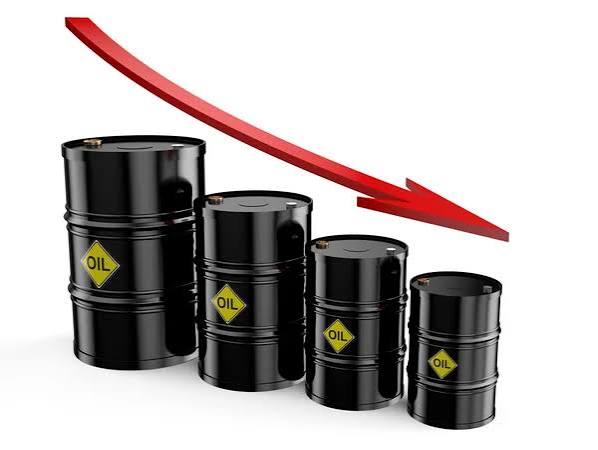
Global crude oil prices have fallen sharply, with Nigeria’s Bonny Light dropping to around $98 per barrel as easing tensions between the United States and Iran reshape market expectations. The decline, however, has not translated into relief at the pump in Nigeria, where fuel prices remain stubbornly high.
The fall in oil prices follows renewed diplomatic signals from Washington suggesting efforts to end the US-Iran conflict. Traders reacted quickly, betting that reduced geopolitical risk could stabilise supply routes, especially through the Strait of Hormuz, a critical global shipping corridor.
Brent crude fell by more than 3% in recent trading, slipping below the $100 mark for the first time in weeks. West Texas Intermediate also declined, reflecting broader market optimism that a potential peace deal could ease supply disruptions.
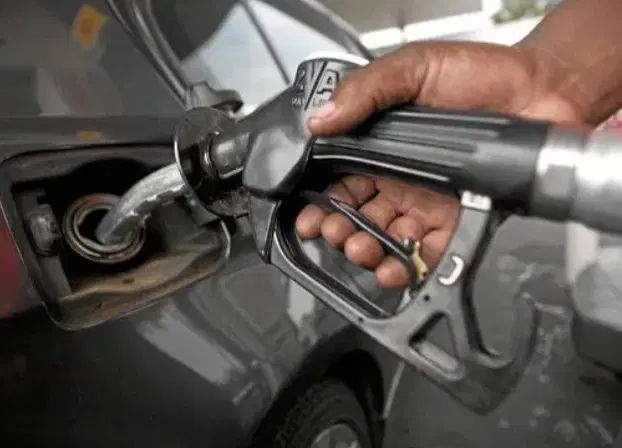
Despite the global price correction, Nigeria’s downstream market has remained largely unchanged. Depot operators are still selling petrol at elevated rates, with major players maintaining prices above ₦1,280 per litre, even after crude prices began to fall.
At retail level, consumers continue to feel the pressure. Filling stations in Lagos and other major cities are selling petrol between ₦1,320 and ₦1,342 per litre, depending on the brand and location, keeping transportation and living costs high.
Industry operators say the disconnect is being driven by structural issues in Nigeria’s fuel supply chain. Limited competition among suppliers and dependence on a few dominant importers are preventing quick price adjustments despite global shifts.
Experts argue that the deregulated market is not fully functioning as expected. Instead of tracking international benchmarks closely, domestic pricing is being influenced by supply constraints and market concentration among key players.
Some analysts believe the situation may eventually adjust if global crude prices remain low for an extended period. However, they caution that short-term relief is unlikely unless local supply dynamics improve.
The gap between falling crude oil prices and high domestic fuel costs continues to raise concerns among consumers already battling inflation and rising transport fares.
For now, Nigerians may have to wait longer for any meaningful relief at the pump, even as global oil markets signal a potential easing of pressure.