Now Reading: Kwankwaso Opens Up on Buhari Alliance, Says Loyalty and 2 Million Votes Brought No Reward
-
01
Kwankwaso Opens Up on Buhari Alliance, Says Loyalty and 2 Million Votes Brought No Reward
Kwankwaso Opens Up on Buhari Alliance, Says Loyalty and 2 Million Votes Brought No Reward

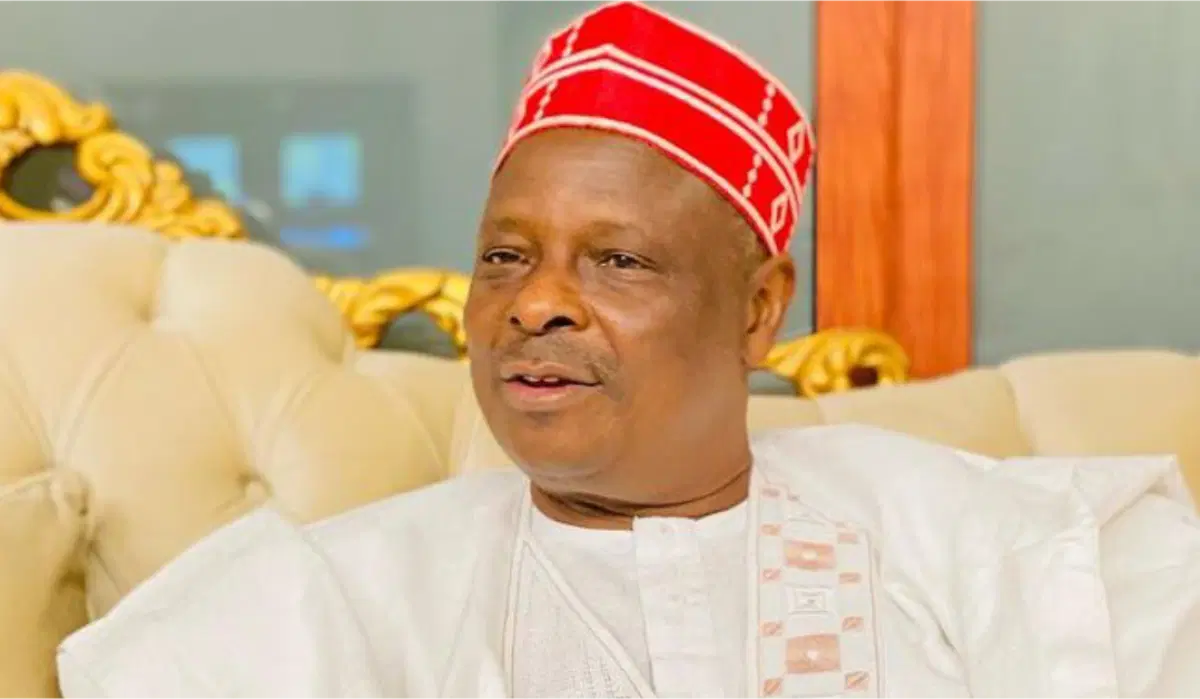
Former Kano State Governor and top figure in the Nigeria Democratic Congress (NDC), Rabiu Musa Kwankwaso, has revealed why he became disillusioned with the political alliance that helped bring late former President Muhammadu Buhari to power.
Speaking during an interview on Arise Television’s Prime Time on Monday night, Kwankwaso said he and his supporters sacrificed heavily during the election campaign but were ultimately ignored after victory was secured.
The former presidential candidate claimed his political structure delivered nearly two million votes for Buhari, yet neither he nor the constituencies he represented received meaningful recognition or political reward afterward.
“I worked so hard. We brought about 1.9, almost 2 million votes. But as politicians, we are not recognised. We put our lives even on the line at that time,” Kwankwaso said during the interview.
The NDC chieftain added that the experience became one of the reasons he started pushing for a new political direction and broader reforms within Nigeria’s political system.
“Unfortunately, we could not see any benefit either as individuals or the constituencies that we represented,” he added.
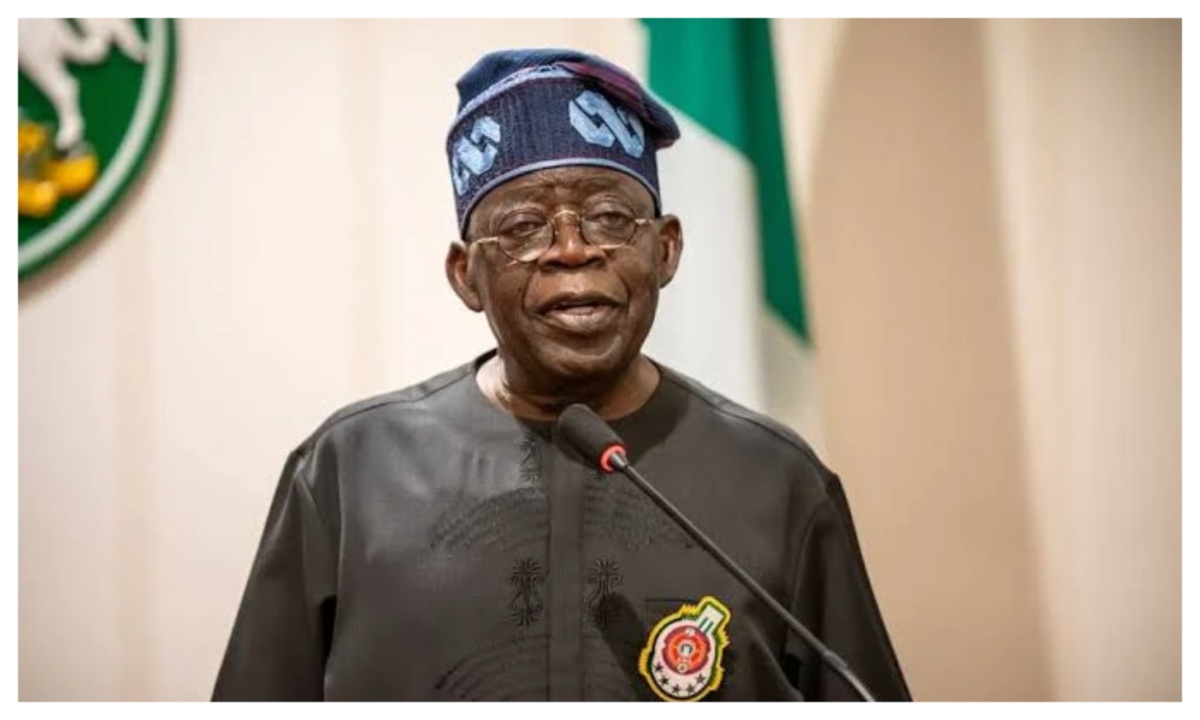
Kwankwaso also turned his attention to the administration of President Bola Ahmed Tinubu, insisting that widespread dissatisfaction across the country is fueling growing calls for political change ahead of the 2027 general election.
According to him, many Nigerians at the grassroots level are becoming increasingly frustrated with the current state of governance, economic hardship and rising social pressure.
“Everybody knows there are issues with this administration again. And therefore, people are determined at grassroots level, and even at the level we are operating now, that there should be some level of changes,” he stated.
Kwankwaso’s comments come at a politically sensitive period as opposition figures continue to realign ahead of the 2027 presidential race. His recent association with the NDC has already intensified discussions around possible coalition movements aimed at challenging the ruling All Progressives Congress (APC).
The remarks are also likely to reignite debate over political loyalty, power-sharing and whether major political actors are adequately rewarded after helping to secure electoral victories in Nigeria’s often complex alliance system.