Now Reading: Maradona Death Trial: Doctor Says Simple Diuretic Could Have Saved Football Legend Within 48 Hours
-
01
Maradona Death Trial: Doctor Says Simple Diuretic Could Have Saved Football Legend Within 48 Hours
Maradona Death Trial: Doctor Says Simple Diuretic Could Have Saved Football Legend Within 48 Hours

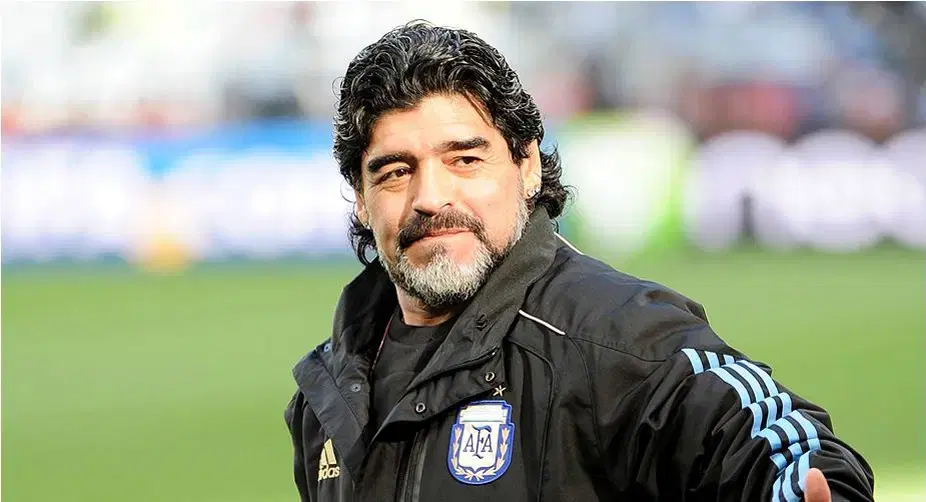
The long-running legal battle over Diego Maradona’s final days has taken a striking turn, with a medical expert telling a court that a basic diuretic treatment could have significantly improved the football icon’s condition within two days.
Dr Mario Schiter, who previously treated Maradona and later reviewed his post-mortem findings, told the court in San Isidro that the Argentina legend showed signs of severe fluid retention that should have been medically manageable. He insisted that timely intervention could have changed the course of events dramatically.
Maradona, who led Argentina to World Cup victory in 1986, died in 2020 at the age of 60 after suffering pulmonary oedema and cardiac arrest while recovering at home following brain surgery.
During testimony, Schiter explained that patients presenting with similar symptoms in intensive care are routinely treated with diuretics to remove excess fluid from the body. He suggested that noticeable improvement is often seen within hours of treatment in such cases.
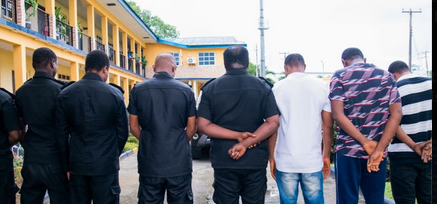
His remarks came during the trial of seven healthcare professionals accused of negligence in connection with Maradona’s death. If found guilty, the defendants could face prison sentences of up to 25 years.
Another medical expert involved in the autopsy, Dr Carlos Casinelli, previously told the court that Maradona’s organs were severely affected by fluid accumulation. He described the condition as extensive and argued that it likely developed over several days, raising questions about the level of medical supervision provided.
Schiter also revealed that he had advised against home-based recovery after Maradona’s surgery in 2020. Despite that warning, the football star was discharged to continue treatment in a rented residence outside Buenos Aires, where he later died.
The court has heard a series of testimonies pointing to concerns about the care Maradona received in his final days, with experts highlighting signs that may have required urgent hospital treatment rather than home supervision.
The trial, which is expected to continue until July, is examining whether the medical team responsible for his care failed in their duty, contributing to one of football’s most controversial and tragic deaths.