Now Reading: Sallah Hardship Bites Harder As Ram Prices Hit ₦1.5m, Nigerians Struggle With Rising Food Costs
-
01
Sallah Hardship Bites Harder As Ram Prices Hit ₦1.5m, Nigerians Struggle With Rising Food Costs
Sallah Hardship Bites Harder As Ram Prices Hit ₦1.5m, Nigerians Struggle With Rising Food Costs

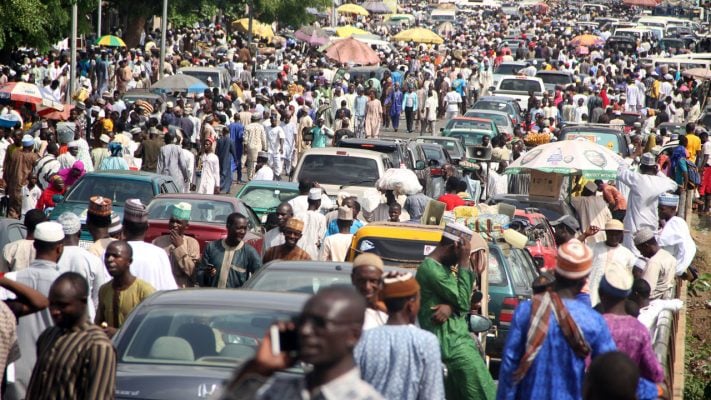
Celebrations for the 2026 Eid-el-Kabir festival are unfolding under heavy economic pressure across Nigeria, with soaring food prices, expensive transportation and record-breaking livestock costs forcing many families to cut back on traditional Sallah spending.
Across major markets in Abuja and neighbouring Nasarawa State, buyers and traders described a festive season overshadowed by inflation and shrinking purchasing power. Many families who once bought rams for the annual sacrifice are now settling for cheaper alternatives or abandoning the idea entirely.
Latest figures released by the National Bureau of Statistics show that Nigeria’s headline inflation rate rose to 15.69 per cent in April 2026, worsening the cost-of-living crisis already affecting millions of households.
At Mararaba Market near the Federal Capital Territory, medium-sized rams now sell for as much as ₦500,000, compared to between ₦200,000 and ₦300,000 during the same period last year. Bigger breeds are reportedly selling for between ₦800,000 and ₦1.5 million, placing them beyond the reach of many average earners.
The situation has forced several families to contribute money jointly to buy cows, while others are turning to fish and chickens as more affordable options for the celebration.
A ram seller, Yusuf Ahmed, blamed the sharp increase on the rising cost of feeding livestock and the general economic situation in the country.
“The price of food for rams and cows has risen too much; that is why prices are high. People are not buying like they used to,” he said.
Another livestock dealer, Mustapha Ali, said customer turnout this year has dropped significantly compared to previous Sallah seasons.
“People come to ask for prices and then leave. Last year there was a rush at this time, but this year many people are overwhelmed by the prices,” he explained.
The pressure is also being felt in poultry markets. At Nyanya Market, chickens previously sold between ₦12,000 and ₦18,000 now cost between ₦25,000 and ₦40,000 depending on size.
Chicken seller Mohammed Nuhu said rising transportation expenses, poultry feed prices and maintenance costs have pushed traders into a difficult position.
“The sales are low, and it’s not our fault. People are no longer buying like before. Things are becoming harder every day,” he lamented.
Foodstuff traders are equally battling rising costs. Prices of tomatoes, onions, pepper, rice and vegetable oil have increased sharply ahead of the celebration, with traders blaming transportation challenges and supply disruptions from northern Nigeria.
A pepper seller, Mrs Amina Audu, appealed to government authorities to urgently address transport costs, which she described as one of the major reasons behind rising food prices nationwide.
Experts have also warned that the worsening hardship may force more Nigerians to return to firewood and charcoal due to the rising cost of cooking gas, a development that could worsen deforestation and environmental damage.
As Nigerians mark this year’s Eid-el-Kabir, many families say the celebration has become less about festivity and more about survival amid one of the toughest economic periods in recent years.