Now Reading: FG Orders NMDPRA to Stop Fuel Price Exploitation as Nigerians Demand Cheaper Petrol
-
01
FG Orders NMDPRA to Stop Fuel Price Exploitation as Nigerians Demand Cheaper Petrol
FG Orders NMDPRA to Stop Fuel Price Exploitation as Nigerians Demand Cheaper Petrol

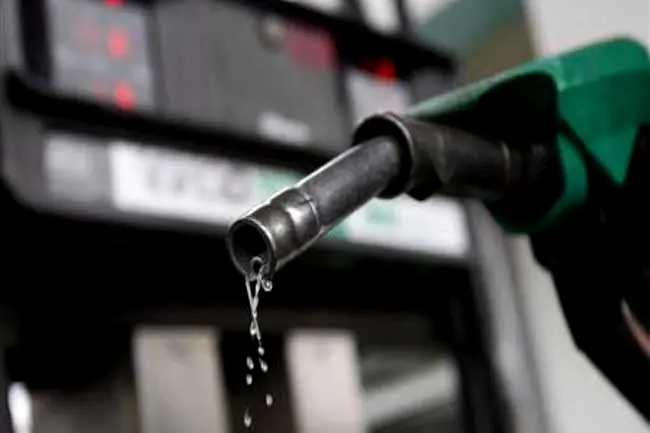
The Federal Government has directed the Nigerian Midstream and Downstream Petroleum Regulatory Authority (NMDPRA) to ensure petroleum marketers do not exploit Nigerians through excessive fuel pricing under the country’s deregulated downstream petroleum market.
The directive was issued by the Minister of State for Petroleum Resources (Oil), Senator Heineken Lokpobiri, during the opening of the NMDPRA General Counsel and Legal Advisers Forum in Abuja. The two-day event is themed “Beyond Compliance: Driving Regulatory Certainty and Investment Confidence in Nigeria’s Petroleum Sector.”
Lokpobiri said that although the downstream petroleum sector now operates under a deregulated framework, the regulator still has a legal responsibility to protect consumers from unfair pricing practices. He stressed that deregulation should encourage competition and efficiency, not become an opportunity for marketers to make excessive profits at the expense of Nigerians.
The minister noted that many Nigerians expected petrol prices to fall after tensions in the Middle East eased and global crude oil prices dropped significantly. Crude prices, which had surged to about $120 per barrel, have since declined to around $72 per barrel, yet pump prices of Premium Motor Spirit (PMS), popularly known as petrol, remain largely unchanged.
“Following the de-escalation of tensions between Iran and the United States, we expected to see a commensurate downward adjustment in the prices of PMS and other petroleum products. However, that has not yet happened,” Lokpobiri said.
He added that while market forces are expected to determine prices under deregulation, the Petroleum Industry Act (PIA) empowers the regulator to prevent profiteering and ensure fairness in the downstream sector.
Beyond pricing, the minister tasked the NMDPRA with strengthening oversight of filling stations to guarantee that consumers receive the exact quantity of fuel they pay for. He questioned the agency’s role in protecting motorists and other buyers from under-dispensing.
“When someone pays for 10 litres of Premium Motor Spirit, they should receive exactly 10 litres, not less. Beyond allowing prices to be determined by market forces, what is the regulator doing to ensure consumers get value for their money?” he asked.
Lokpobiri also observed that despite recent geopolitical tensions involving Iran and the United States, Nigeria avoided fuel scarcity. He credited the stability to the deregulation of the downstream sector and the growing contribution of domestic refineries, which have helped maintain fuel supply across the country.