Now Reading: Rising Cost of Childbirth: Nigerian Families Count the Price as Public Hospitals Become Less Affordable
-
01
Rising Cost of Childbirth: Nigerian Families Count the Price as Public Hospitals Become Less Affordable
Rising Cost of Childbirth: Nigerian Families Count the Price as Public Hospitals Become Less Affordable

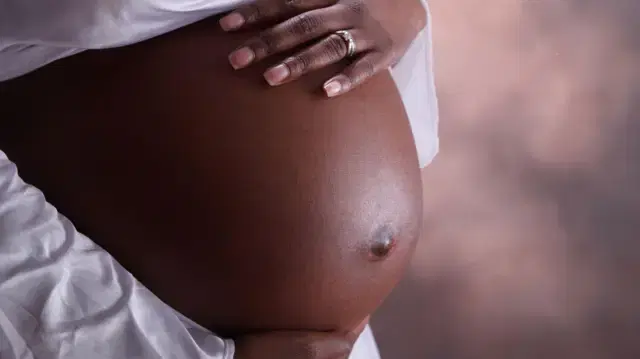
Giving birth at a government hospital was supposed to ease the financial burden for Adeola Laolu and her husband, Akin. Instead, the arrival of their baby turned into a costly ordeal that left the family questioning whether public healthcare is still affordable for ordinary Nigerians.
The couple said what they expected to be a reasonably priced delivery at Gbagada General Hospital in Lagos quickly spiralled into a series of unexpected expenses. While Adeola recovered after childbirth, her husband spent hours moving from one payment point to another, buying drugs, paying medical bills and even donating blood.
“People go to general hospitals because they believe the services are cheaper, but that is no longer the case,” Adeola said, recalling how the hospital bill kept increasing. She explained that the initial payment rose from ₦55,000 to ₦65,000, before additional costs for medications and other medical supplies continued to pile up.
For Akin, the financial pressure was relentless. He said every payment seemed to be followed by another request for drugs, laboratory tests, gloves, disinfectants or baby supplies. Even after donating blood, he claimed the family was still required to purchase extra consumables.
“Every time you think you are done paying, they bring another list. You just keep spending because you don’t have a choice. Your wife is in labour, your baby is coming, and you cannot start arguing,” he said.
The couple also expressed disappointment with the condition of the hospital facilities. They described overcrowded wards, leaking roofs, broken windows and a lack of baby cots, saying the environment did not reflect the amount families were paying for maternity services.
“You look around and ask yourself, what exactly are we paying for? This is a general hospital, yet the ward is leaking. There are no baby cots and mosquitoes are everywhere, even where newborn babies are kept,” Akin said.
Adeola added that mothers recovering after childbirth also faced poor nutrition despite paying for meals. However, she praised the hospital’s medical personnel, describing the doctors as professional, responsive and committed to saving lives during emergencies.
She warned that families preparing for a Caesarean Section at the hospital should expect significant expenses, estimating that costs could range between ₦700,000 and ₦800,000, while noting that some patients reported spending more than ₦1 million depending on complications and medical needs.
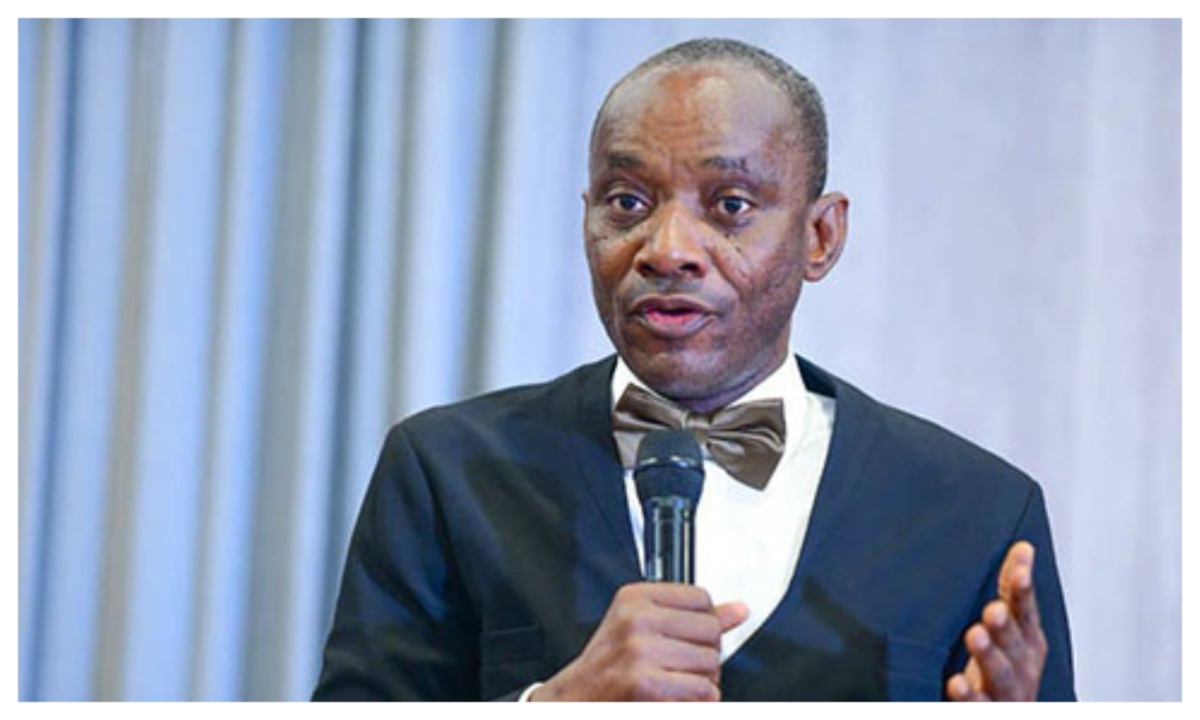
Healthcare expert Akinde said the cost of Caesarean Sections differs across Nigeria, depending on the location and type of hospital. He noted that many public hospitals in the South-West currently charge between ₦150,000 and ₦200,000, while fees in private hospitals range from ₦1.5 million to as much as ₦3 million in premium facilities.
Akinde explained that private hospitals receive no government support and must independently finance staff salaries, electricity, security, water supply and other operational costs, factors that contribute to higher medical bills. Meanwhile, stories like Adeola’s continue to fuel concerns that rising healthcare costs are placing safe maternal care beyond the reach of many Nigerian families.