Now Reading: Xi Jinping Pushes China’s Global AI Vision as Trump Accuses Beijing of Election Data Exploitation
-
01
Xi Jinping Pushes China’s Global AI Vision as Trump Accuses Beijing of Election Data Exploitation
Xi Jinping Pushes China’s Global AI Vision as Trump Accuses Beijing of Election Data Exploitation

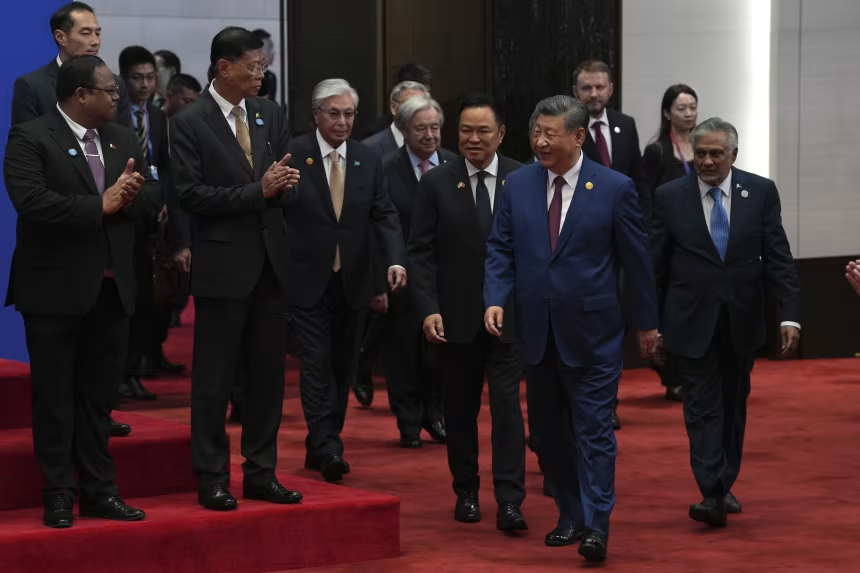
The widening technology rivalry between the United States and China took center stage on Friday as President Xi Jinping promoted Beijing’s vision for global artificial intelligence governance while US President Donald Trump accused China of exploiting American election data.
Speaking at China’s flagship World Artificial Intelligence Conference (WAIC) in Shanghai, Xi urged the international community to ensure that AI is developed responsibly and used for the benefit of humanity. Addressing hundreds of technology executives, researchers and industry leaders, the Chinese president called for stronger global cooperation and effective oversight to prevent the technology from spiraling out of control.
“With AI advancing at a staggering speed, we must ensure its development is for positive, for good, and for humanity,” Xi said. He also stressed the need for “precise and effective” governance to reduce the risks associated with rapidly evolving artificial intelligence.
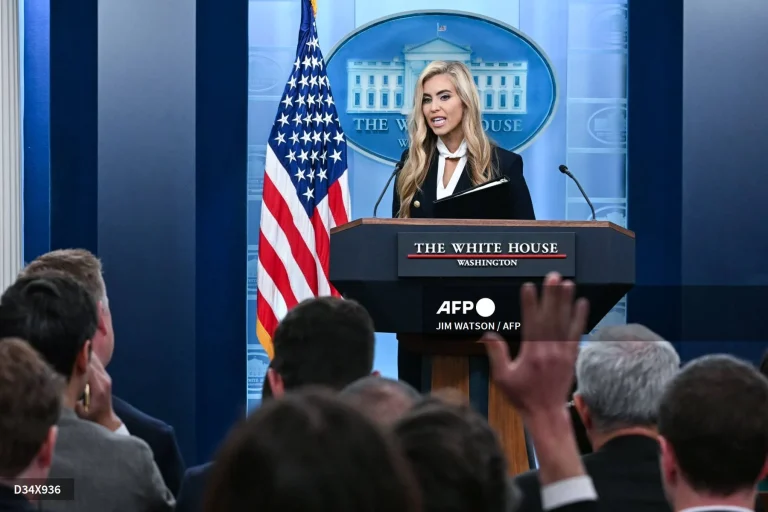
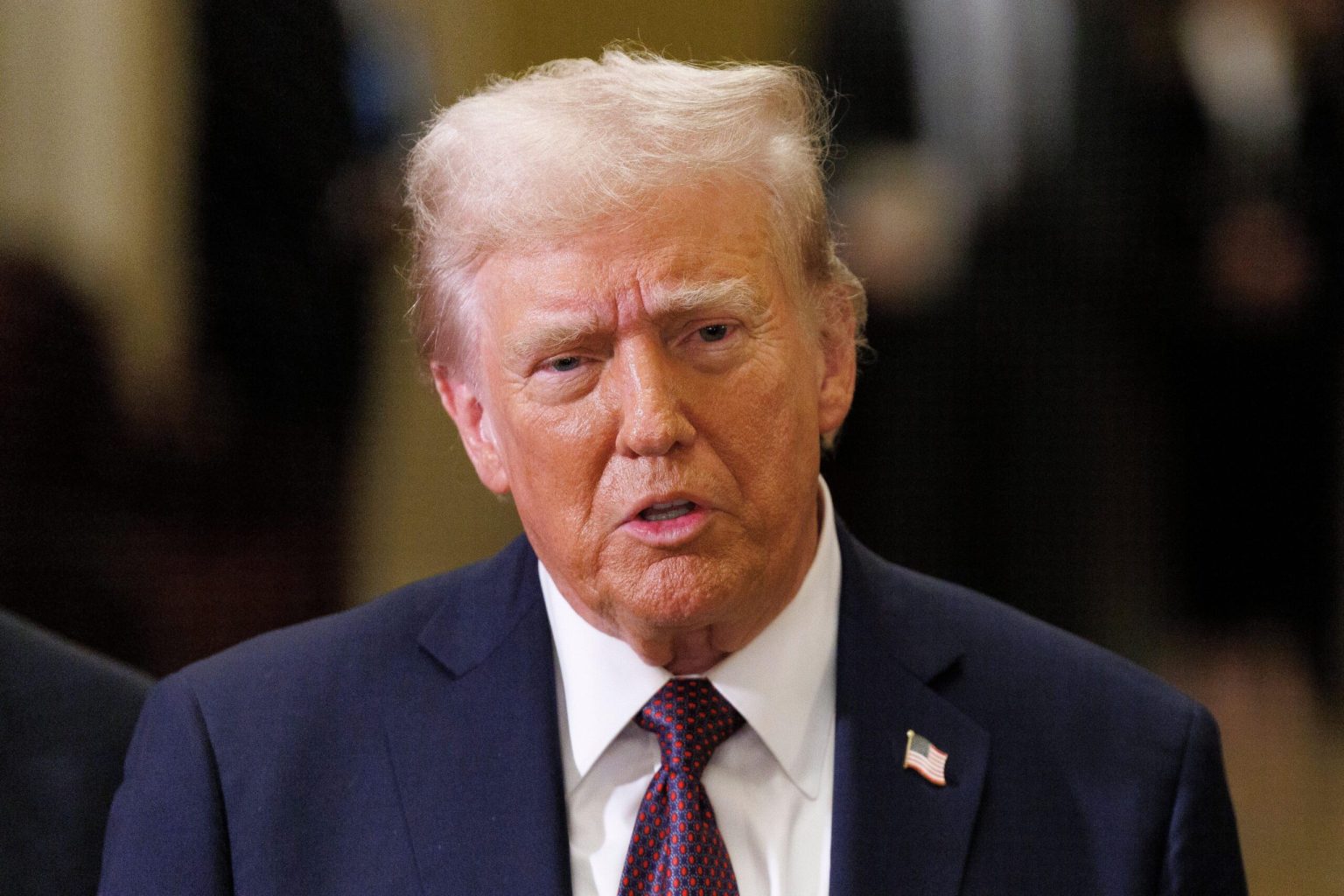
Xi’s remarks came just minutes after Trump delivered a televised speech in Washington, where he accused Beijing of illegally obtaining data belonging to 220 million American voters as part of broader efforts to influence US elections. China has consistently denied the allegations.
The contrasting messages highlighted the growing divide between the world’s two largest economies as they compete for dominance in artificial intelligence. While Washington increasingly frames AI as a national security issue, Beijing is presenting itself as a champion of international cooperation and shared technological development.
In his speech, Xi criticized what he described as the expansion of national security concerns into artificial intelligence, an apparent reference to US restrictions on Chinese technology companies and export controls on advanced AI chips. He argued that AI should become a “global public good” and said countries should work together to develop and regulate the technology.
China also used the summit to launch the World Artificial Intelligence Cooperation Organization (WAICO), bringing together 29 countries, including Russia, Indonesia and Pakistan. The initiative is part of Beijing’s broader effort to shape international standards for AI and strengthen its diplomatic influence through technology partnerships.
Despite continued leadership by American firms in advanced AI models and semiconductor technology, Chinese companies such as DeepSeek and Zhipu have rapidly narrowed the performance gap. Their open-source models and lower operating costs have also gained popularity among developers worldwide, increasing China’s influence in the global AI ecosystem.
However, competition between the two countries extends beyond innovation. Washington has accused Chinese organizations of using AI model distillation to replicate American frontier models, while Beijing has raised concerns over alleged security vulnerabilities in US-developed AI tools. Both governments have also expressed fears that advanced AI could be exploited to target critical infrastructure through cyberattacks.
Although China is expanding its influence through new initiatives like WAICO, analysts believe global AI governance will remain divided by geopolitical tensions. Experts say sustained dialogue between Washington and Beijing will be essential to manage growing concerns over AI safety, regulation and national security as both countries continue to compete for leadership in one of the world’s most transformative technologies.