Now Reading: US Imposes New Tariffs on 60 Trading Partners as Trump Escalates Global Trade War
-
01
US Imposes New Tariffs on 60 Trading Partners as Trump Escalates Global Trade War
US Imposes New Tariffs on 60 Trading Partners as Trump Escalates Global Trade War

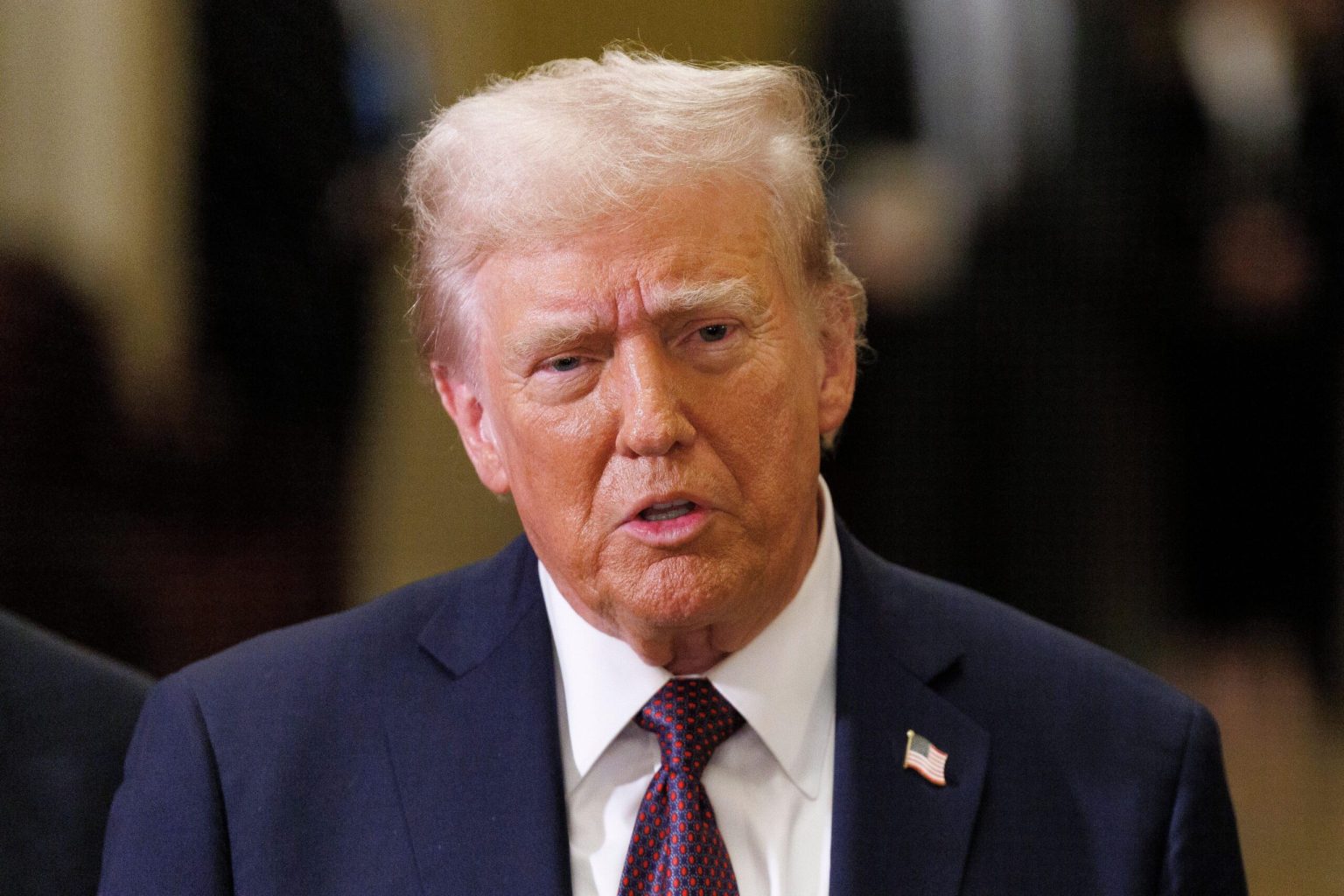
The United States has announced a fresh round of tariffs on imports from 60 major trading partners, marking the latest escalation in President Donald Trump’s renewed global trade strategy.
The new measures, which take effect after the expiration of a temporary tariff regime on Friday, impose import duties ranging from 10% to 12.5% on goods entering the US from countries including the United Kingdom, China, members of the European Union and dozens of other trading partners. The affected countries account for nearly all American imports.
US officials said the tariffs are intended to pressure trading partners to strengthen efforts against forced labour in global supply chains. According to the Office of the US Trade Representative, countries that have committed to adopting and enforcing restrictions on forced labour imports will face a 10% tariff, while those deemed to have fallen short will be subject to the higher 12.5% rate.
US Trade Representative Jamieson Greer defended the policy, saying the latest action is designed to address both human rights concerns and unfair trade practices. “Today’s action will begin to correct what is both a human rights abuse and distortive trade practice to improve the welfare of workers everywhere,” Greer said.
However, several trade experts have questioned the administration’s justification. Caroline Freund, Dean of the UC San Diego School of Global Policy and Strategy, argued that the move is primarily aimed at maintaining President Trump’s broader trade agenda following legal setbacks. She suggested the forced labour argument provides a legal basis for tariffs after the US Supreme Court ruled earlier this year that many of Trump’s previous tariffs imposed under emergency powers were unlawful.
Economists also warned that the fresh tariffs could push up costs for businesses and consumers, although exemptions for certain products may reduce the overall impact. Wendy Cutler of the Asia Society Policy Institute said many affected countries are likely to accelerate efforts to diversify trade relationships and reduce their dependence on the US market.
The announcement has also drawn mixed reactions from America’s trading partners. The UK government said British businesses would see no immediate change to the tariff rates already in place, while confirming that UK whisky remains exempt under a previous trade agreement reached with Washington. Business groups, however, expressed concern that the UK now faces a competitive disadvantage compared to the European Union, which secured a broader 10% tariff arrangement.
Other governments reacted more critically. Brazil described the new duties as “unjustified”, Japan expressed regret over the decision, while Australia called the tariffs unnecessary. China again rejected allegations of forced labour, insisting the claims are politically motivated despite continued concerns raised by international human rights organisations over conditions in the Xinjiang region.
The latest tariffs reinforce Trump’s long-standing protectionist trade policy, which seeks to boost US manufacturing and reduce the country’s trade deficit. They also come after the administration’s earlier “Liberation Day” tariffs were struck down by the Supreme Court, prompting the White House to adopt a new legal pathway for imposing import duties on key trading partners.