Now Reading: Iran Blocks Strait of Hormuz Opening, Demands US Lift Sanctions and Naval Restrictions
-
01
Iran Blocks Strait of Hormuz Opening, Demands US Lift Sanctions and Naval Restrictions
Iran Blocks Strait of Hormuz Opening, Demands US Lift Sanctions and Naval Restrictions

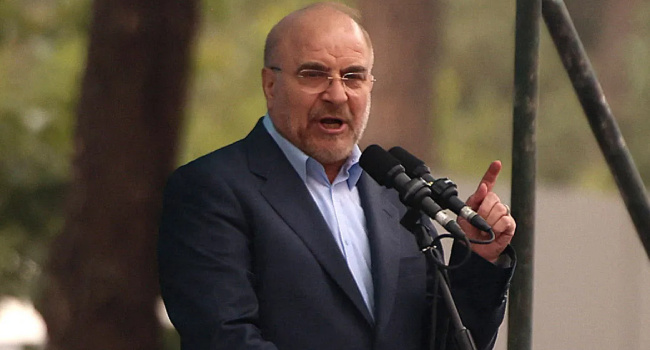
Iran has refused to reopen the strategic Strait of Hormuz until the United States meets a series of demands, including the removal of a naval blockade, lifting of oil sanctions and release of frozen Iranian assets.
Iran’s top negotiator, Mohammad Bagher Ghalibaf, made the position clear on Tuesday during a televised speech, saying Tehran would maintain its control over the vital waterway until Washington fulfils commitments outlined in a previous truce agreement.
“I want to state clearly that the Strait of Hormuz will not be opened until the American commitments stipulated in the memorandum of understanding are implemented,” Ghalibaf said.
The Strait of Hormuz, one of the world’s most important energy routes, has remained under Iranian control since the conflict between Iran and the United States began on February 28 following US-Israeli strikes on Iran. The confrontation disrupted regional stability and triggered diplomatic efforts aimed at reducing tensions.
Ghalibaf said Iran’s conditions include the lifting of restrictions on oil exports and the unfreezing of Iranian funds held abroad. These demands were part of a June ceasefire arrangement between Tehran and Washington, which later collapsed.
Iran has continued to regulate movement through the waterway, requiring vessels to seek approval and pay transit-related fees. The move has faced opposition from the United States and some countries in the region, which argue that the strait must remain open for international shipping.
Discussions between Iran and Oman over future navigation arrangements through the Strait of Hormuz have continued in recent weeks. Tehran said both sides have reached an agreement on the geographical coordinates of a proposed route.
Meanwhile, Iran said talks with the United States were still ongoing, with both sides exchanging views on the possibility of a joint statement. However, tensions remain high after US President Donald Trump threatened military action against Oman if it interfered with negotiations over the strait.
Ghalibaf warned that Iran was prepared for further confrontation, saying the country was ready to respond strongly to any actions taken against it. The situation around the Strait of Hormuz remains a major concern for global energy markets and international shipping.