
Now Reading: American Man Lives 271 Days With Genetically Modified Pig Kidney in Medical Breakthrough
-
01
American Man Lives 271 Days With Genetically Modified Pig Kidney in Medical Breakthrough
American Man Lives 271 Days With Genetically Modified Pig Kidney in Medical Breakthrough

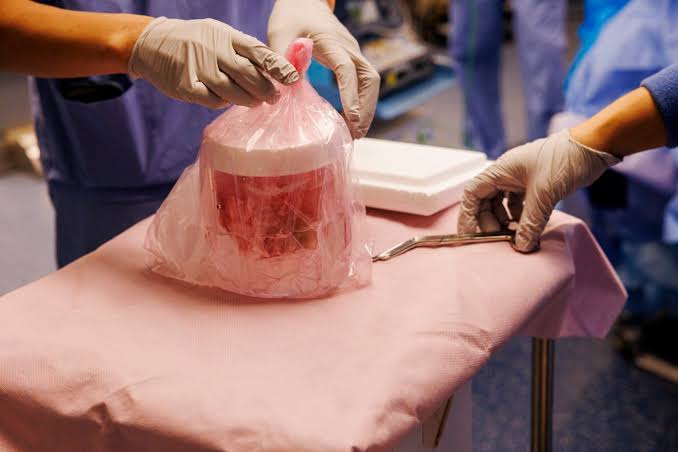
A 66-year-old American man has survived for a record 271 days with a functioning genetically modified pig kidney, marking a major milestone in the development of animal-to-human organ transplantation.
Tim Andrews, who had end-stage kidney disease linked to type 2 diabetes, received the experimental transplant at Massachusetts General Hospital in January 2025. The procedure allowed him to remain free from dialysis for about nine months while he waited for a human kidney donor.
Before the transplant, Andrews described his condition as deeply distressing as he faced the possibility of spending the rest of his life dependent on dialysis. The experimental procedure, he said, gave him renewed hope and the opportunity to live without being connected to a dialysis machine.
“Hope is the biggest thing, the chance to be free from the machine and live your life,” Andrews said.
The kidney came from a genetically modified pig. Scientists altered the animal’s genes to reduce the likelihood of the human immune system rejecting the organ and to address concerns about the transmission of animal viruses.
The transplanted kidney began functioning immediately after surgery, filtering waste from Andrews’ blood and helping regulate his body’s fluid balance. Doctors later detected early signs of immune rejection but were able to manage them by adjusting his medication.
However, the kidney was ultimately not a permanent replacement. After roughly six months, doctors observed damage to the organ’s blood vessels, followed by inflammation and eventual loss of kidney function. Surgeons removed the pig kidney in October 2025.
Despite the eventual failure of the organ, doctors described the case as an important step forward for xenotransplantation, the field focused on using animal organs in human patients. Andrews spent 82 days on dialysis after the pig kidney was removed before receiving a matching human kidney in January 2026.
Doctors said his new human kidney is functioning well and found no evidence that the earlier pig-kidney transplant had negatively sensitised his immune system.
Dr Leonardo Riella of the Mass General Brigham Centre for Transplantation Sciences said the severe shortage of human organs makes alternative sources increasingly important. He said the case demonstrates the potential for genetically modified animal organs to serve as temporary support for critically ill patients who are unable to secure a living human donor.
“We are working really hard to bring hope and we truly feel that xenotransplantation can be an alternative for patients who don’t have a living donor,” Riella said.
The case adds to growing research into xenotransplantation and offers renewed hope that genetically modified animal organs could one day provide temporary or longer-term options for patients facing lengthy waits for human organ transplants.