Now Reading: Olalekan Oyeyemi Assassination Triggers Major Overhaul of Osun Motor Parks
-
01
Olalekan Oyeyemi Assassination Triggers Major Overhaul of Osun Motor Parks
Olalekan Oyeyemi Assassination Triggers Major Overhaul of Osun Motor Parks

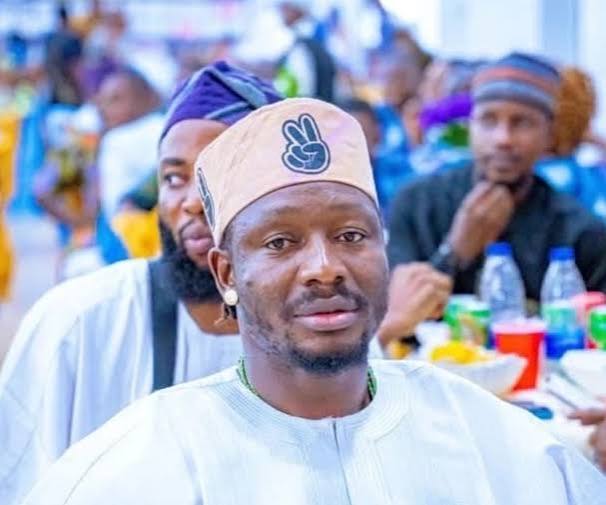
The assassination of Olalekan Oyeyemi, popularly known as “Emir Ajagungbade”, has triggered sweeping changes to the management of motor parks across Osun State, following a deadly transport-sector dispute in Ile-Ife.
Oyeyemi, a prominent figure in the state’s transport politics, was shot dead at an Energy filling station in Ile-Ife on Sunday while reportedly on his way to a meeting aimed at resolving a dispute involving rival transport factions.
Known on the streets as “Ajagungbade” — a name associated with a warrior fighting to claim the crown — Oyeyemi was regarded as an influential grassroots mobiliser with strong political connections. He was also reportedly appointed by Governor Ademola Adeleke, further cementing his position within the state’s political network.
Security reports linked the killing to a long-running struggle over control of lucrative motor parks. The confrontation reportedly involved a faction associated with transport union heavyweight Nurudeen Alowonle and another group allegedly led by a mini-bus operators’ chairman popularly known as “Sibi”.
Oyeyemi also had a controversial history with law enforcement. In November 2024, he was reportedly remanded at the Ile-Ife Correctional Centre after the police brought an 11-count charge against him, including allegations bordering on murder and public disturbance.
Earlier in January 2026, Oyeyemi publicly denied allegations connecting him to the assassination of Oyebamiji Kazeem, a prominent official of the National Union of Road Transport Workers (NURTW). Reports also indicated that he had been placed on a police wanted list shortly before his death.
His killing has now prompted an immediate response from the Osun State Government. Governor Adeleke ordered the warring transport groups to vacate motor parks across the state and imposed a ban on their activities, citing the need to prevent further violence and possible reprisals.
The government is also preparing an Executive Order to introduce a government-controlled Park Management System. The proposed arrangement is expected to replace the traditional union-controlled structure and give the state greater control over the operation and revenue management of motor parks.
Oyeyemi’s death has therefore become more than a criminal investigation, exposing longstanding tensions between transport unions, political influence and control of motor park revenues. His killing has intensified calls for Osun to separate park management from the violence and factional disputes that have repeatedly accompanied the sector.