
Now Reading: One Vote: Key Questions Voters Should Ask Before Choosing a Candidate
-
01
One Vote: Key Questions Voters Should Ask Before Choosing a Candidate
One Vote: Key Questions Voters Should Ask Before Choosing a Candidate

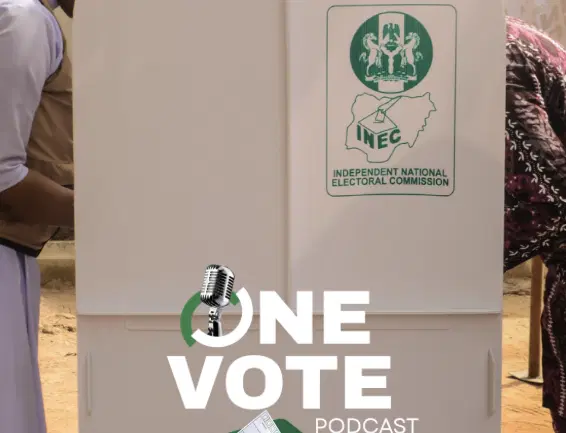
Election campaigns are meant to help voters understand what candidates plan to do, question their promises and compare their proposals with their records before making a decision.
But campaigns can also be crowded with slogans, personality-driven politics, endorsements, social media arguments and promises that are difficult to verify. For voters, separating useful information from campaign noise is therefore essential.
A candidate’s promises should be examined beyond the words used at rallies or in campaign materials. Voters can ask what exactly the candidate intends to achieve, how the plan would be funded and whether the candidate has explained a realistic timeline for delivering it.
Another important question is the candidate’s record. Where a candidate has previously held public office, voters can examine what was promised, what was delivered and what remained unfinished. The same scrutiny can be applied to claims about experience, achievements and previous positions.
Voters should also consider whether candidates clearly explain how their proposed policies would affect issues that matter to them, including jobs, education, healthcare, security, infrastructure and the cost of living. Comparing candidates on the same issues can make campaign messages easier to assess.
Promises that sound attractive should also be checked against available evidence. Voters can look for official records, credible reports, budget information and statements from the candidates themselves rather than relying solely on campaign advertisements, social media posts or endorsements.
Campaign debates and public engagements provide another opportunity to test candidates. Instead of focusing only on who speaks most forcefully, voters can pay attention to whether candidates answer questions directly, explain their policies clearly and provide evidence for major claims.
The central purpose of a campaign, therefore, should be to give voters enough reliable information to make an informed choice. A single vote represents an individual decision, and that decision is better informed when voters ask questions, compare records and examine promises before polling day.