Now Reading: Anambra Govt Challenges Peter Obi to Quit 2027 Presidential Race Over Debt, Salary Claims
-
01
Anambra Govt Challenges Peter Obi to Quit 2027 Presidential Race Over Debt, Salary Claims
Anambra Govt Challenges Peter Obi to Quit 2027 Presidential Race Over Debt, Salary Claims

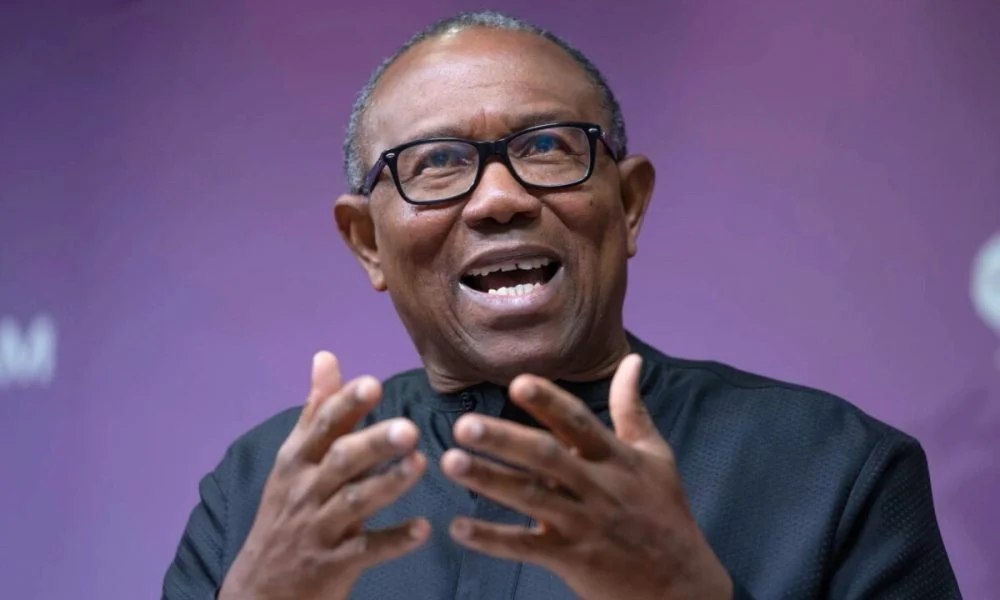
The Anambra State Government has challenged the presidential candidate of the Nigeria Democratic Congress (NDC), Peter Obi, to withdraw from the 2027 presidential race over disputed claims about the financial record of his administration as governor.
The state government made the challenge in a statement posted on its official X account on Tuesday, accusing the former governor of failing to honour previous commitments concerning Anambra’s debt profile and the payment of workers’ salaries.
According to the state government, Obi had previously said he would quit the presidential race if it was established that he left Anambra with debt. It also cited a separate pledge attributed to him as governor that he would resign if workers were not paid on time.
The government argued that both conditions had been breached, alleging that Obi left office in 2014 with outstanding financial obligations and salary arrears. The claims form part of an ongoing dispute between Obi and the administration of Governor Chukwuma Soludo over the state’s financial position when Obi handed over power.
The Anambra government also published a letter dated April 25, 2006, purportedly signed by Chuks Iloegbunam, then Obi’s Chief of Staff. The letter appealed to the governor to address salary arrears owed to workers of the defunct Anambra State Water Corporation.
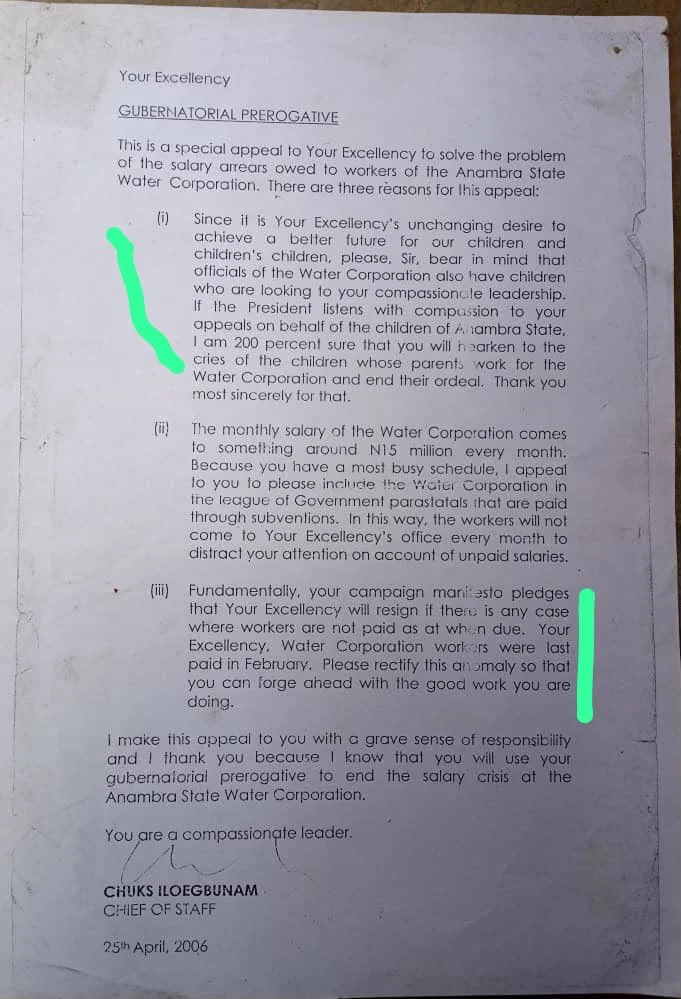
According to the document, the corporation’s workers had last been paid in February 2006, while its monthly wage bill was estimated at about N15 million. The letter urged the governor to include the corporation among government agencies receiving regular subventions to prevent repeated salary delays.
The salary claim comes amid a wider disagreement over loans allegedly contracted during Obi’s tenure. The Anambra government has said eight external borrowing facilities associated with his administration remained outstanding, with the state putting the original external loans at about $123.77 million.
Obi has rejected the allegations, maintaining that he left office without outstanding salaries, pensions, gratuities or liabilities to contractors for duly executed and certified projects. He has also challenged the state government to substantiate its claims, saying he would end his presidential campaign if they were proven.
The debt controversy remains contested. Available records and analyses indicate that Anambra had outstanding public debt around the period of Obi’s departure, but determining which liabilities were incurred under his administration, as well as the status of individual salary and pension obligations, requires examination of the underlying loan and financial records.
The latest challenge adds another political dimension to the dispute as the 2027 presidential campaign takes shape, with both sides continuing to present different accounts of Obi’s eight-year tenure in Anambra.