Now Reading: Trump Backs Possible US Diesel Export Ban as Fuel Prices Surge
-
01
Trump Backs Possible US Diesel Export Ban as Fuel Prices Surge

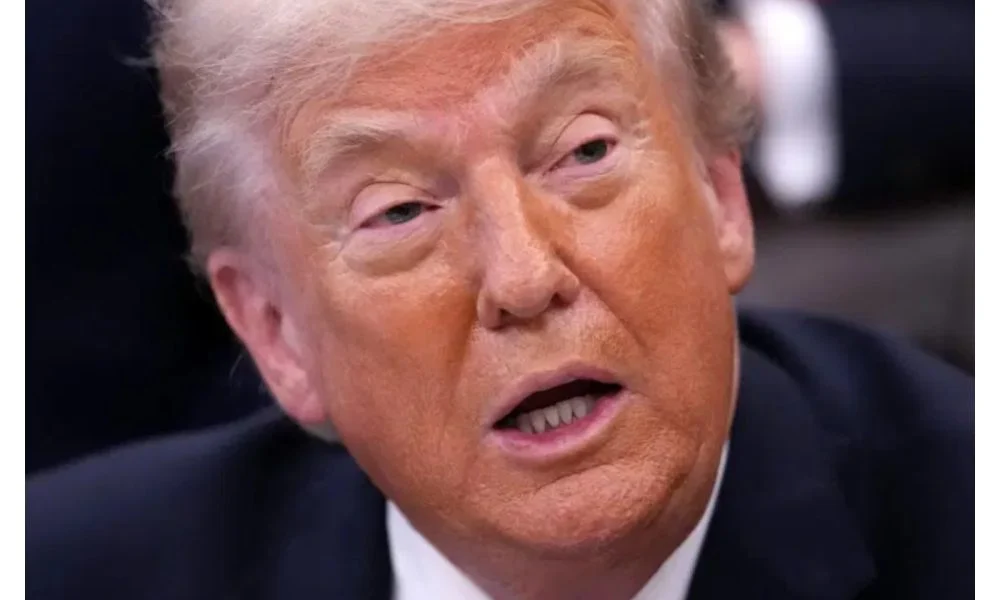
US President Donald Trump has backed a possible ban on diesel exports as fuel prices continue to rise amid disruptions linked to conflicts in the Middle East and Ukraine.
Trump expressed support for the proposal on Tuesday while speaking to reporters during a meeting with Ukrainian President Volodymyr Zelenskyy in New York.
“I’ve called for that too. I’ve said, let’s not send out the diesel,” Trump said when asked about a possible export restriction.
The president said the United States produces large quantities of diesel and suggested that restricting exports could help increase domestic supply and ease pressure on fuel prices.
However, US Treasury Secretary Scott Bessent said the administration was still examining whether a full or partial export ban would be feasible given the country’s overall refining capacity.
“We’re looking at whether it’s feasible in terms of the overall refining capacity and whether a full or partial ban would work,” Bessent said.
The proposal comes as diesel prices in the United States have reached record levels. Reuters reported that the national average price had risen above $6 per gallon this month, while global diesel supplies have been strained by disruptions linked to the conflicts in Iran and Ukraine.
Republican Senate Majority Leader John Thune had also indicated support for exploring a diesel export ban, while Iowa Senator Chuck Grassley has called for such a measure.
The proposed restriction has, however, drawn questions from market analysts. Reuters reported that some analysts believe an export ban could do little to reduce US fuel prices and could instead disrupt international supply chains.
Diesel shortages have become a wider global concern, with low inventories and disruptions to supplies from major producing regions pushing prices higher. Industry analysts cited by Reuters expect tight global diesel supplies to persist into 2027.
For now, the Trump administration has not announced a final decision on whether to impose a full or partial ban, with officials continuing to assess its potential impact on domestic refining capacity and fuel supplies.