Now Reading: Adebayo Shittu Urges FG to Treat Education as Fundamental Right, Reject Student Loans
-
01
Adebayo Shittu Urges FG to Treat Education as Fundamental Right, Reject Student Loans
Adebayo Shittu Urges FG to Treat Education as Fundamental Right, Reject Student Loans

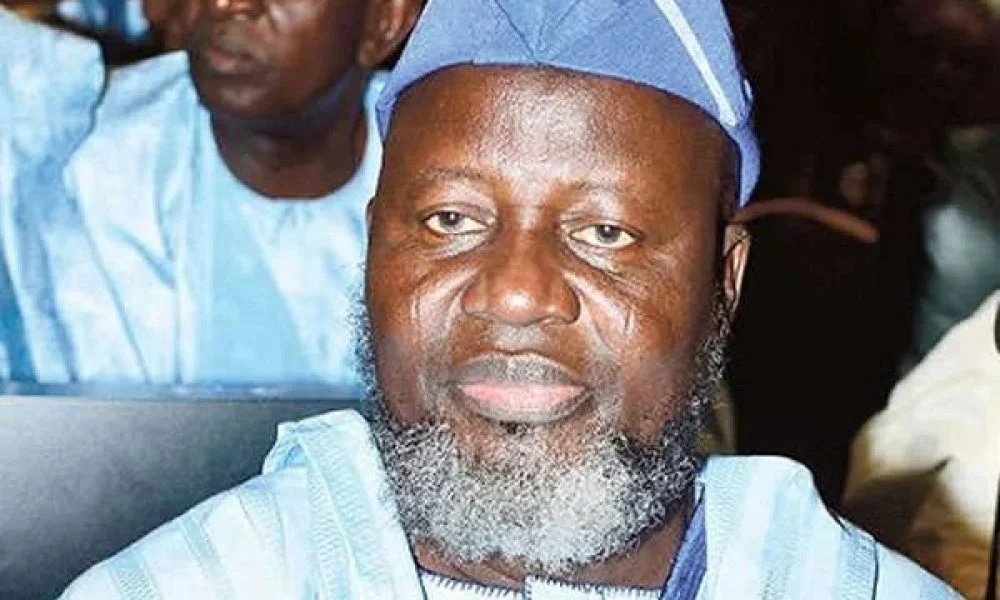
Former Minister of Communications, Adebayo Shittu, has called on the Federal Government to treat access to education as a fundamental right rather than placing the burden of tertiary education on students through loans.
Shittu made the call on Tuesday during an interview on Frontline, a current affairs programme on Eagle 102.5 FM, Ilese-Ijebu, monitored by DAILY POST in Abeokuta.
The former minister questioned the rationale behind student loans at a time many graduates remain unemployed years after completing their university education.
“Today, we have in this country graduates who graduated ten years ago and are still looking for jobs. They don’t have jobs and they are talking about giving them loans. I don’t believe in loans. I believe in fundamental rights,” he said.
Shittu urged Nigerians to examine the education objectives contained in the 1999 Constitution, arguing that government has a responsibility to expand access to education and create opportunities for citizens to develop their potential.
“I challenge everyone to go and look at the education objectives in the Constitution of Nigeria, the 1999 Constitution,” he stated.
He also argued that educating children should be viewed as a shared responsibility involving government and communities, particularly when families struggle to meet basic needs.
“In our local community, a child born into a community is the responsibility of the entire community to train, to educate and to provide for,” he added.
Shittu said government priorities and the management of public resources should determine how much support is available for education, healthcare and other social services.
He further expressed concern about economic hardship among students, saying he receives messages from young Nigerians who struggle to afford basic necessities, including food.
According to the former minister, greater investment in education would help equip young Nigerians with skills needed to contribute to society and could reduce some of the social challenges associated with unemployment and poverty.