Now Reading: Japan Performs World-First Heart Surgery Using Commercially Available iPS Cell Therapy
-
01
Japan Performs World-First Heart Surgery Using Commercially Available iPS Cell Therapy
Japan Performs World-First Heart Surgery Using Commercially Available iPS Cell Therapy

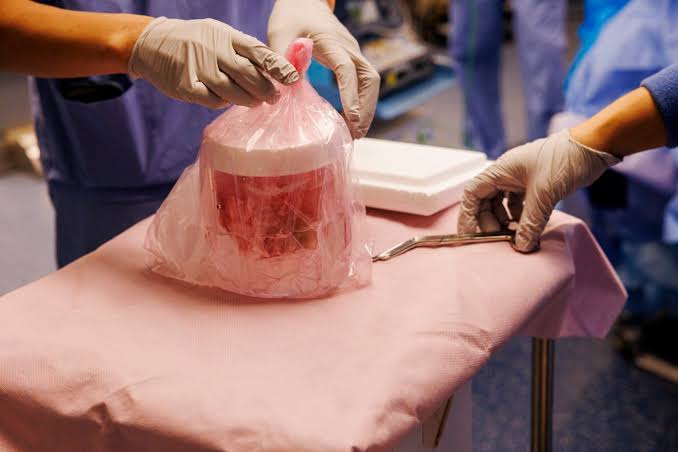
A Japanese hospital has performed what has been described as the world’s first surgery using commercially available heart muscle stem cell sheets, marking a major step in the development of regenerative treatment for heart disease.
Doctors at Osaka Keisatsu Hospital transplanted sheets of heart muscle cells into a woman in her 50s during an operation that lasted about an hour on Tuesday.
The cells were derived from induced pluripotent stem cells (iPS cells), a type of stem cell that can be developed into different cell types in the body. Japan conditionally approved the regenerative treatment in March, making the surgery its first clinical use.
Surgeon Yoshiki Sawa, head of Osaka Keisatsu Hospital, said after the operation that the team hoped the treatment would improve the patient’s quality of life.
The therapy was developed for patients with ischemic heart disease, a condition in which narrowed heart arteries reduce blood flow and damage the heart muscle. Clinical trials involving eight patients reportedly found that all experienced an easing of symptoms, while heart function improved in four.
Sawa developed the technology in collaboration with Japanese scientist Shinya Yamanaka, who won the 2012 Nobel Prize in Physiology or Medicine for his work on iPS cells.
The treatment is aimed mainly at patients who have exhausted other options and is expected to potentially improve heart muscle function, heart failure symptoms, exercise tolerance and overall cardiac performance. However, its wider effectiveness and long-term safety are still being assessed.
Sawa’s team plans to perform similar procedures on 75 patients by 2033 as part of efforts to gather more evidence on the treatment. Japanese media reported that full approval will depend on the results of the programme and further assessment of its safety and benefits.
Japan has also conditionally approved another iPS-cell treatment for Parkinson’s disease, involving the transplantation of cells into the brain. The developments highlight the country’s growing use of regenerative medicine, although researchers continue to study the risks and long-term effectiveness of such therapies.