Now Reading: Okey Ikechukwu Faults Tinubu’s Independence Speech, Questions Path to Prosperity
-
01
Okey Ikechukwu Faults Tinubu’s Independence Speech, Questions Path to Prosperity
Okey Ikechukwu Faults Tinubu’s Independence Speech, Questions Path to Prosperity

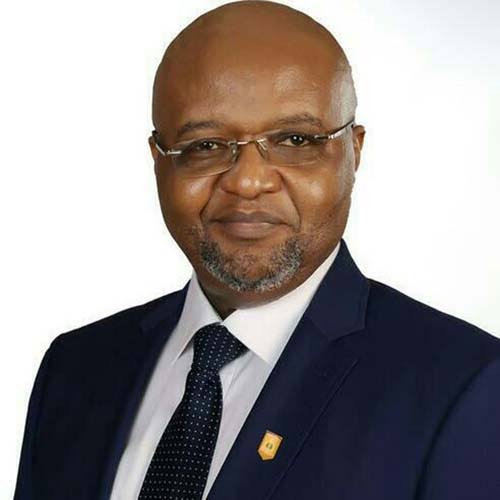
Executive Director of Development Specs Academy, Prof. Okey Ikechukwu, has criticised President Bola Tinubu’s Independence Day address, describing it as “not a good speech” and questioning whether the administration’s economic reforms are sufficiently structured to deliver the prosperity it has promised.
Ikechukwu made the comments on Thursday during an interview with ARISE NEWS, hours after Tinubu’s October 1 address in which the President defended his administration’s reforms and declared that Nigeria had moved from an era of economic reform into what he called an “age of prosperity.”
While Ikechukwu said he did not oppose the reforms themselves, he argued that greater attention should be paid to their impact on citizens. He said the government should identify measures capable of reducing the most severe effects of the economic pressures without abandoning the reforms.
According to him, the key question was whether the sequence from reform to prosperity was being supported by practical economic measures. He said citizens facing hardship needed more than assurances that the difficulties were temporary and would eventually produce better economic conditions.
Ikechukwu also criticised the government’s communication, arguing that inconsistent or aggressive statements from some officials could undermine public confidence. He singled out the Minister of Information for what he described as relatively sober communication, while saying statements from other government figures had sometimes created concerns about how the administration explained its policies.
“ So, in summary, it’s not a good speech. There are concerns about whether the realities are going in that direction,” Ikechukwu said, while also questioning what he described as the absence of some people within government.
The analyst broadened his assessment to Nigeria’s 66-year political history, tracing current divisions to the disruption of the regional system, military interventions and the subsequent creation of states. He argued that the growth of indigene-ship politics had further weakened the idea of a shared national citizenship.
Ikechukwu said Nigeria’s earlier regional governments had developed competing economic and administrative systems before the 1966 coup disrupted that structure. He argued that the creation of additional states eventually fragmented responsibilities and leadership, while increasing regional and ethnic competition over public resources and political appointments.
On national unity, he said government actions were more important than policies written on paper. He called for greater transparency and balance in public appointments and stronger leadership signals against ethnic and regional exclusion, while also questioning the conduct of state governors in their own appointments and governance.
The analyst further argued that Nigeria needed to reconnect with the tradition of public leadership associated with figures such as Nnamdi Azikiwe and Obafemi Awolowo, whom he said were remembered for ideas, institutions and public service rather than personal wealth. He also praised former Information and National Orientation Minister Chukwuemeka Chikelu for what he described as a record of personal integrity and restraint in public office.
Ikechukwu concluded by returning to Nigeria’s constitutional and political history, saying longstanding debates over regionalism, state creation, political power and fears of domination remained relevant to the country’s present challenges. He argued that the country had become increasingly divided, with “indigene-ship” competing with the broader concept of citizenship.