Now Reading: Cornell Police Sought Phone Records After Jane Doe Reported Alleged Fraternity Sexual Assault
-
01
Cornell Police Sought Phone Records After Jane Doe Reported Alleged Fraternity Sexual Assault
Cornell Police Sought Phone Records After Jane Doe Reported Alleged Fraternity Sexual Assault

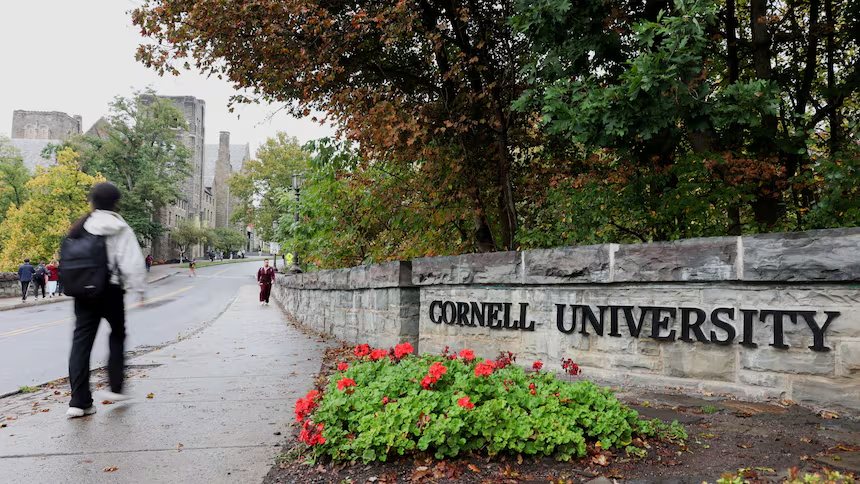
Newly obtained documents show Cornell University police drafted requests to Verizon and T-Mobile days after a student identified in court documents as Jane Doe reported that she had been sexually assaulted by members of the Chi Phi fraternity in 2024.
The letters, dated November 15, 2024, said investigators were examining a sexual assault and believed the listed phone accounts could contain evidence relevant to the case.
Cornell police asked the wireless carriers to preserve available data, including emails, text messages, phone calls, photographs and video messages. The letters said a signed warrant would follow within 30 days.
It remains unclear whether the requests were actually sent, whether investigators later obtained subpoenas or warrants, or whether Tompkins County District Attorney Matthew Van Houten knew about the requests at the time.
CNN has asked Verizon and T-Mobile whether they received the letters and whether they preserved the requested records. The district attorney’s office has also been asked whether it received any phone records.
The documents appear to show that Cornell police were actively investigating the allegations in November 2024, raising fresh questions about what information was ultimately provided to prosecutors before the district attorney’s office declined to pursue charges.
Doe filed a lawsuit last month against Cornell University, Chi Phi fraternity, seven fraternity members and other entities. She alleges that she was drugged and sexually assaulted at the fraternity house in October 2024 and that Cornell failed to adequately protect her or hold those involved accountable.
The case has since sparked protests on and around campus, including a Monday demonstration calling for “Justice for Survivors.”
Students and faculty demand change
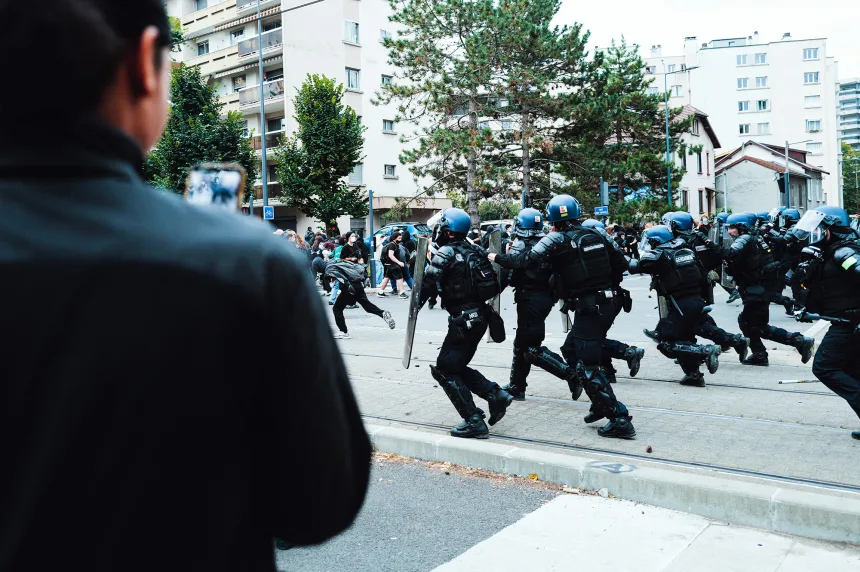
Hundreds of demonstrators gathered at Cornell on Monday, carrying signs calling for accountability and chanting “shame” and “resign.”
Among the speakers was Sabrina Karim, an associate professor in Cornell’s government department, who said trust in the university had been damaged.
“Trust is broken at Cornell,” Karim said, calling on the university community to demand change peacefully.
Julia Chang, an associate professor of romance studies and a survivor, also addressed the crowd.
Chang said concerns about a “rape culture” at Cornell should not make sexual violence appear inevitable or normal.
Other groups have announced plans for a seven-hour campus sit-in on Wednesday in support of Doe.
The protests followed an incident early Monday in which anonymous activists smashed a glass door and spray-painted messages on the university’s administration building. Cornell officials said the vandalism was under investigation.
Governor calls case handling ‘horrifying’
New York Governor Kathy Hochul has sharply criticized the handling of the case, saying no young person seeking help should be ignored or dismissed.
Cornell President Michael Kotlikoff has promised an independent review by an outside law firm and acknowledged that the university does not yet have all the answers surrounding the original investigation.
The criminal investigation has now been transferred to New York Attorney General Letitia James, who was appointed special prosecutor by Hochul.
Van Houten previously said his office had not received the full details of Doe’s allegations in 2024. He later reopened the case and said a grand jury would determine whether charges should be filed before James was appointed to take over.
“I support the appointment of Attorney General James and I trust that she will examine the facts and apply the law,” Van Houten said, adding that it had become clear his office had not been given the full picture by Cornell.
Questions over what prosecutors received
The handling of the evidence provided to prosecutors has become a central issue in the controversy.
According to records obtained by The New York Times, Cornell police condensed an approximately 120-page interview with Doe into a six-page statement that she signed. The six-page statement was then provided to prosecutors.
The district attorney’s office declined to review additional material gathered by campus police, including further interviews, after determining from the statement that criminal charges would not be pursued.
Cornell police records reviewed by the Times reportedly showed that prosecutors were not interested in additional evidence because they had already reached that conclusion.
Van Houten has said his office received only the six-page statement and Snapchat messages exchanged by fraternity members.
Cornell initially said it had shared “all investigatory information” with prosecutors, but later revised its statement, saying police had shared Doe’s sworn statement and a Snapchat screenshot.
The discrepancy has intensified questions over whether prosecutors had access to all relevant evidence when the decision not to pursue charges was made.
Cornell also conducted its own Title IX investigation, interviewing more than 50 people, including most of the men accused of wrongdoing. The district attorney’s office did not receive that material, according to Van Houten.
The accused men have denied wrongdoing. According to documents reviewed by The New York Times, four acknowledged sexual contact with Doe but said the encounters were consensual, while others denied having sexual contact with her.
Doe says she was unable to consent
Doe has alleged that she was drugged and sexually assaulted after consuming alcohol and ketamine at the fraternity house.
Her attorney, Thomas Giuffra, said she did not consent to the sexual encounters and initially struggled to understand what had happened before later identifying the experience as sexual assault.
Documents reviewed by CNN describe Doe telling university investigators that she experienced “vague consciousness” after consuming ketamine.
Her attorney said she later began recording phone calls with men she accused in an effort to understand what had happened. Some of those recordings were eventually provided to university investigators.
One man allegedly apologized to Doe for “how things went down,” according to records reported by The New York Times. The accused men have disputed the allegations and maintained that their interactions with Doe were consensual or that they did not engage in sexual contact with her.
The competing accounts are now part of the renewed criminal investigation.
Attorney general faces recusal calls
James has also faced scrutiny over a social media post she made days before being appointed special prosecutor.
In the post, James expressed sympathy for Doe and other survivors, describing Doe’s experience as “horrific and unacceptable.”
An attorney representing one of the accused fraternity members subsequently called for James to recuse herself, arguing that her comments could be interpreted as reaching a conclusion about the allegations before reviewing the evidence.
James has rejected any suggestion that the investigation will be influenced by anything other than the facts and the law.
“My office enforces our state’s laws to protect all New Yorkers,” she said in a statement, promising a comprehensive investigation guided by evidence and the law.
Cornell promises independent review
Kotlikoff said Cornell’s board of trustees would announce an independent review into how the university handled the 2024 allegations.
He also expressed support for reviewing New York’s sexual assault laws and examining the role of fraternities and sororities in campus life.
Cornell’s own 2025 survey found that 35% of undergraduate women reported experiencing nonconsensual sexual contact since entering the university.
About one-third of Cornell’s undergraduate students belong to one of more than 50 fraternities and sororities.
With the criminal investigation now under the New York attorney general and Cornell preparing its own external review, scrutiny is likely to remain focused on what investigators knew, what evidence was available and why prosecutors were not given more of the material gathered by campus police.