
Now Reading: Nigeria’s Power Supply Remains Unstable as Electricity Offtake Falls
-
01
Nigeria’s Power Supply Remains Unstable as Electricity Offtake Falls
Nigeria’s Power Supply Remains Unstable as Electricity Offtake Falls

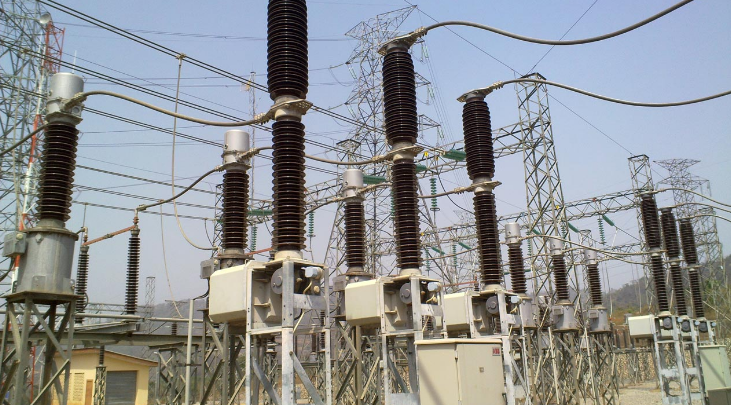
Nigeria’s power sector is facing renewed pressure as electricity supply remains unstable across parts of the country, with recent industry data showing a decline in power available to distribution companies.
The development comes as electricity consumers and businesses continue to report supply disruptions across different parts of the country.
Ikeja Electric recently attributed reduced supply across its network to a shortfall in the amount of electricity allocated to it from the national grid.
The Nigerian Electricity Regulatory Commission’s second-quarter report also showed that average electricity offtake by distribution companies fell by 3.4 per cent during the period.
Despite the decline in electricity offtake, the DisCos collected more than ₦603 billion from customers in the second quarter of 2026.
The Federal Government has said it is working on measures aimed at improving electricity reliability, including new grid infrastructure and a proposed 24-hour electricity pilot covering major economic corridors.
For consumers and businesses, however, the immediate concern remains whether these measures will translate into more stable electricity supply from the national grid.
The continuing supply challenges have renewed attention on the capacity of the power sector to deliver consistent electricity while ongoing investments and reforms are implemented.