Now Reading: China Slams US Ban on DeepSeek AI Tools, Accuses Washington of Overstretching Security Concerns
-
01
China Slams US Ban on DeepSeek AI Tools, Accuses Washington of Overstretching Security Concerns
China Slams US Ban on DeepSeek AI Tools, Accuses Washington of Overstretching Security Concerns

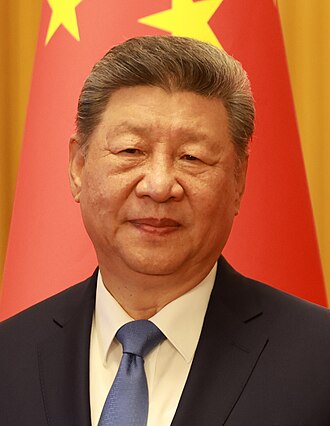
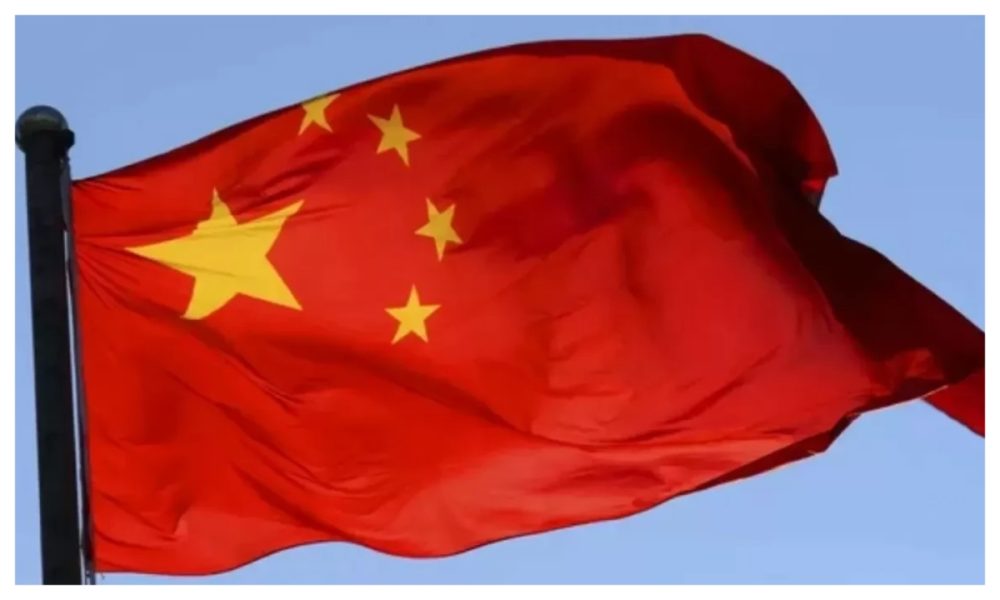
China has criticised a United States government decision to ban federal civilian agencies from using artificial intelligence tools developed by Chinese startup DeepSeek, accusing Washington of stretching national security concerns too far.
Chinese Foreign Ministry spokesperson Mao Ning made the remarks on Tuesday after the US Department of Homeland Security announced restrictions on DeepSeek products and third-party tools built using the company’s technology.
Beijing said the decision politicised issues involving science, technology and trade, while vowing to protect Chinese businesses.
“China has consistently opposed the overstretching of the concept of national security and the politicisation of issues related to science, technology, and trade,” Mao told reporters at a news conference.
The dispute comes as China and the United States intensify their competition for leadership in the rapidly developing artificial intelligence sector, with both countries raising concerns about technology security and alleged intellectual property theft.
US Cites Risks to Sensitive Government Data
The US Department of Homeland Security announced the restrictions on Monday, warning that DeepSeek’s AI models presented several potential security risks.
The department said the ban covered products developed by DeepSeek as well as tools created by third parties using the company’s technology. It directed the removal of the products from affected government information technology devices.
According to the department, the use of DeepSeek tools by government employees and contractors could result in sensitive information being transferred to China.
It also raised concerns about the location of DeepSeek’s servers and the authority Chinese law grants the government to access private companies’ infrastructure.
The restrictions apply to civilian federal agencies within the department’s authority, rather than the US military or intelligence services.
DeepSeek had not publicly responded to the allegations at the time of the report, and AFP said it had contacted the company for comment.
DeepSeek’s Rise Challenges US AI Dominance
DeepSeek emerged as a major player in the global AI industry in January 2025 after unveiling a low-cost, high-performance chatbot that challenged assumptions about the United States’ dominance in advanced AI development.
The company attracted international attention by demonstrating that a Chinese AI developer could compete with established American rivals while pursuing a different cost structure.
DeepSeek subsequently continued developing its AI models, releasing its V4 model in April and updating a faster, more lightweight version in October, according to the report.
Its rise has intensified competition between Chinese and American technology companies, with Washington accusing DeepSeek and other leading Chinese AI firms of systematically stealing capabilities developed by US competitors.
Such allegations have become part of wider disputes between the two countries over technology access, intellectual property, data security and national security.
China and US Maintain AI Dialogue Despite Tensions
Despite their rivalry, China and the United States agreed in September to establish a communication channel for discussing AI-related incidents.
The arrangement indicates that both sides recognise the need for communication as AI systems become increasingly influential across government, business and security operations.
The issue is expected to feature in discussions when the two countries’ leaders meet next month at a summit in Shenzhen, China.
The latest dispute over DeepSeek highlights the challenge facing both countries as they seek to protect sensitive information while competing to develop and deploy advanced AI technologies.
For Beijing, Washington’s restrictions represent an excessive use of national security arguments against Chinese technology firms. For US authorities, the stated concern is the potential exposure of sensitive government data through AI tools linked to Chinese infrastructure.
The disagreement adds another layer to already strained US-China technology relations, with the future of AI cooperation and competition likely to remain a key issue between the two powers.