Now Reading: Nigeria Power Generation Plunges Over 80% as Lagos, Abuja Face Disruptions
-
01
Nigeria Power Generation Plunges Over 80% as Lagos, Abuja Face Disruptions
Nigeria Power Generation Plunges Over 80% as Lagos, Abuja Face Disruptions

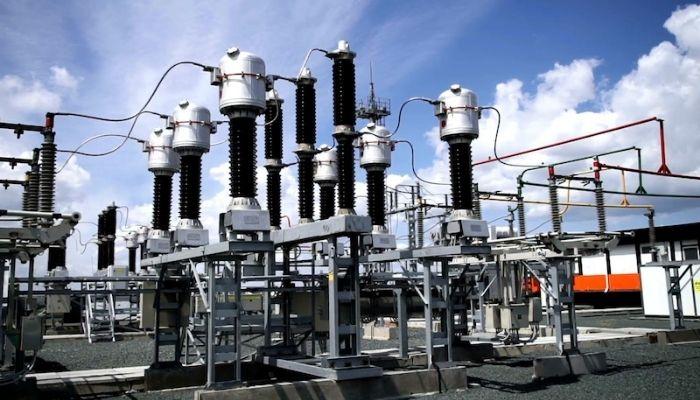
Nigeria’s electricity supply came under fresh strain on Monday after power generation plunged by more than 80 per cent, leaving parts of the country facing outages and reduced supply.
Data from the Nigerian Independent System Operator’s (NISO) monitoring portal showed electricity generation dropping from approximately 3,840 megawatts in the morning to around 477MW by 1pm. The sharp decline raised fresh concerns about the stability of the country’s electricity system.
The disruption coincided with reports of reduced power supply in Lagos, Abuja and Ogun State, affecting households and businesses already grappling with unreliable electricity. The extent and duration of the outages varied across locations, while questions remained about how quickly generation recovered.
NISO, however, rejected claims that the entire national grid had collapsed. The operator said multiple trips on the 330-kilovolt transmission network had affected part of the system, prompting intervention to restore normal operations.
The agency said it worked with the Transmission Company of Nigeria (TCN) to address the disruption. However, the available information did not establish the precise cause of the transmission failures or explain whether all affected areas had regained stable electricity supply.
The reported plunge in generation highlights the vulnerability of Nigeria’s power infrastructure to sudden disruptions. When generation falls sharply or transmission equipment trips, electricity supply can decline across several locations, placing additional pressure on homes, offices, manufacturers and small businesses that depend on reliable power.
For businesses, unstable electricity can mean higher operating costs as operators turn to generators and other alternative sources. Households also face additional expenses when they must rely on petrol or diesel-powered equipment to maintain essential services during prolonged outages.
Attention is now turning to the speed of recovery, the underlying cause of the transmission network problems and the measures needed to prevent similar disruptions. Until further operational details are confirmed, it remains unclear whether Monday’s incident was an isolated technical problem or a symptom of broader weaknesses in Nigeria’s electricity system.