Now Reading: France Tightens Security With Curfews, Protest Bans Ahead of Fresh Demonstrations
-
01
France Tightens Security With Curfews, Protest Bans Ahead of Fresh Demonstrations
France Tightens Security With Curfews, Protest Bans Ahead of Fresh Demonstrations

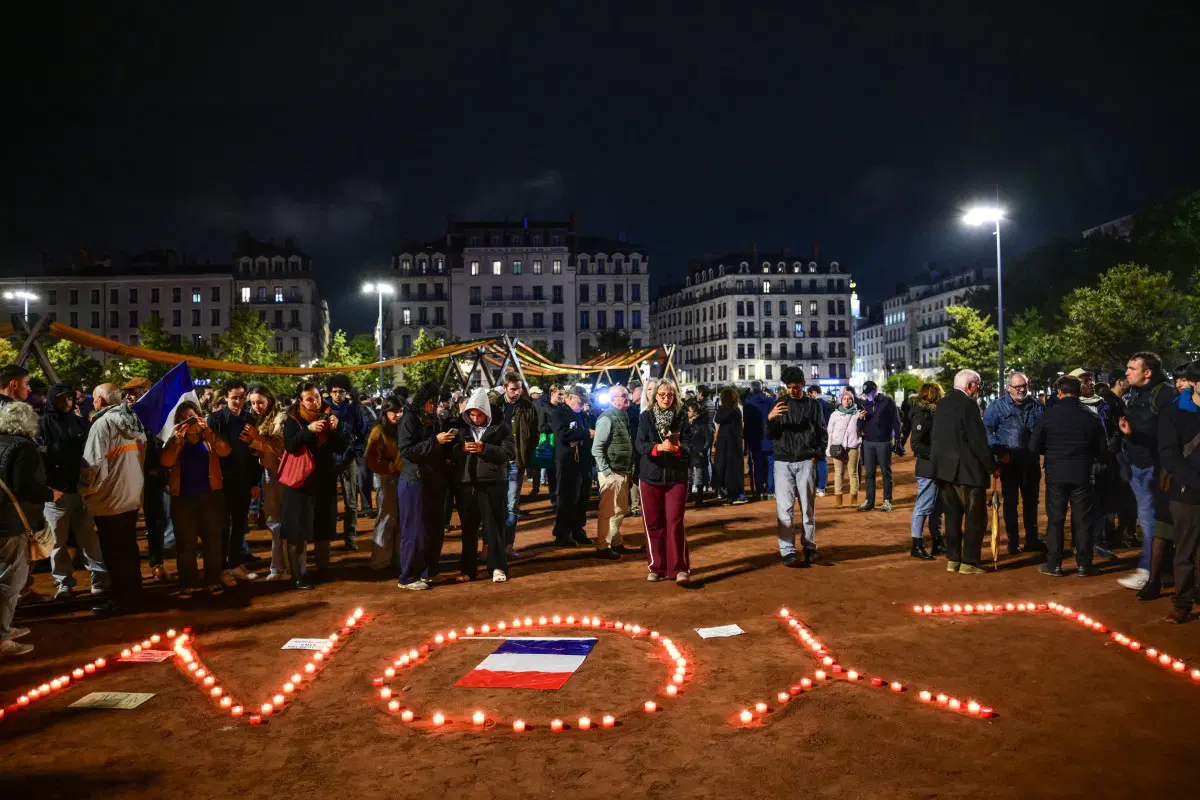
French authorities have introduced a series of security measures, including nighttime curfews, restrictions on public gatherings and increased police deployments, following a weekend of protests, riots and looting.
The measures come ahead of fresh demonstrations scheduled for Saturday, as the government seeks to prevent further violence and restore order in affected cities.
Partial nighttime curfews were imposed in parts of Paris and several other cities on Monday and Tuesday nights. The restrictions targeted areas where clashes had occurred and shopping districts that had been attacked by looters.
Authorities in Paris also prohibited public gatherings along the Champs-Élysées, near major public buildings and around train stations.
In Marseille, France’s second-largest city, unaccompanied minors were barred from central shopping streets every night through Friday as officials sought to prevent further disturbances.
Police Impose Restrictions on Fuel Containers and Fireworks
Paris police also introduced restrictions on carrying bottles or cans containing petrol or gas, as well as possessing fireworks, through Thursday.
The restrictions followed reports that youths had set fire to several shops and public buildings during the previous weekend’s unrest. Some also reportedly fired fireworks through tubes at police officers, leaving several injured.
The government has come under pressure to prevent a repeat of the violence, with Prime Minister Sébastien Lecornu promising a substantial security presence for Saturday’s demonstrations.
The government acknowledged that it had lost control of events during the previous weekend, while President Emmanuel Macron vowed a firm response to those responsible for the violence.
Elite police units have been mobilised ahead of the planned demonstrations.
However, Macron has not declared a state of emergency, a measure that could permit additional military support for police operations.
Soldiers deployed under Operation Sentinelle, a long-running security mission protecting sensitive locations, airports, railway stations and tourist areas, are expected to continue guarding those sites.
Government Offers Loans to Damaged Businesses
The French government has announced interest-free loans for 3,000 businesses affected by the unrest, many of which were damaged or looted.
However, some business owners have questioned whether the financial assistance will be sufficient to cover their losses.
Crowdfunding campaigns have also emerged on social media to help local businesses rebuild. The sums raised so far, however, remain far below the hundreds of millions of euros that the affected business sector estimates the damage could cost.
More Than 1,000 Rental Bicycles Destroyed
The unrest has also disrupted bicycle rental services in Paris, where more than 1,000 bicycles out of approximately 40,000 deployed across the capital were reportedly destroyed.
According to an Agence France-Presse tally based on figures from operators, many of the bicycles were burned after being thrown into makeshift street barricades built by protesters.
The damage could affect tourists and residents who rely on app-based bicycle rental services to move around the city.
Delivery Riders Raise Safety Concerns
Food delivery services could also face disruptions as workers seek protection from dangerous areas.
The Union-Indépendants union, which represents many delivery riders, has called on platforms including Uber Eats and Deliveroo to suspend deliveries to locations considered unsafe.
The union also wants riders to be allowed to cancel deliveries without financial penalties and to have access to real-time information identifying high-risk areas.
The measures reflect growing concerns about public safety, damage to businesses and disruptions to everyday services as France prepares for another round of demonstrations.